
Children's shoes to give for Christmas
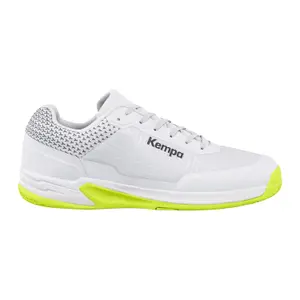
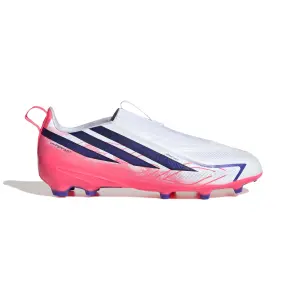
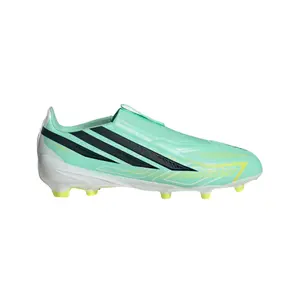


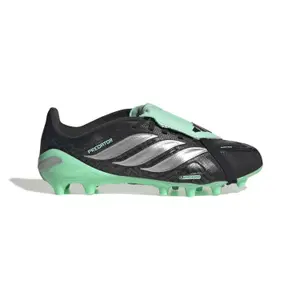
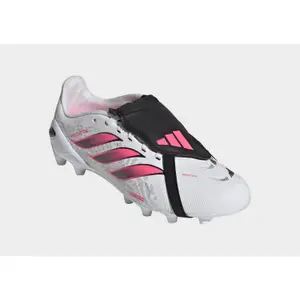
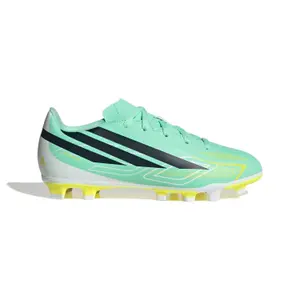
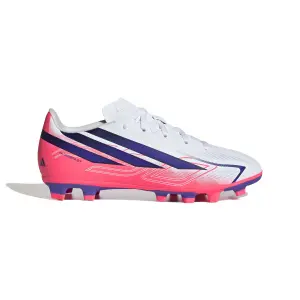
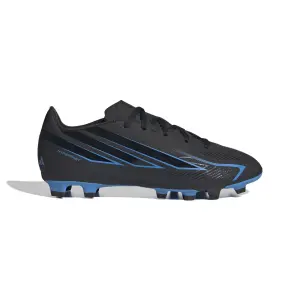
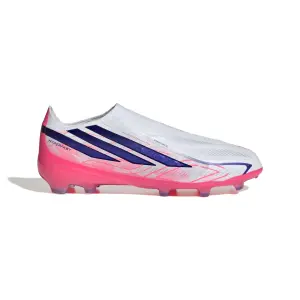
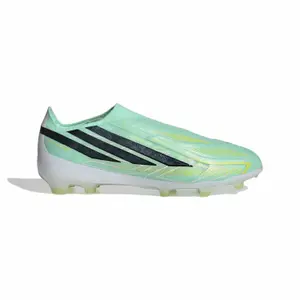
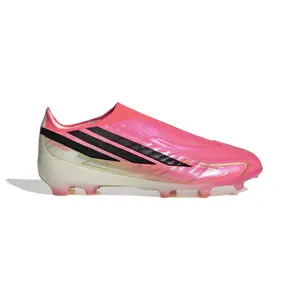


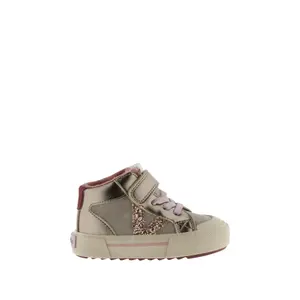
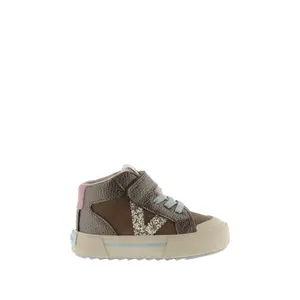
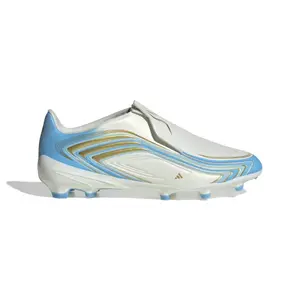


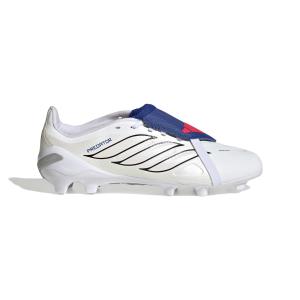
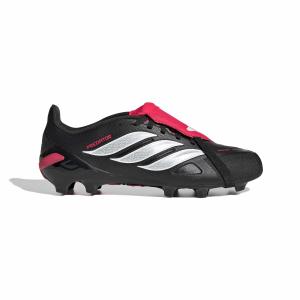

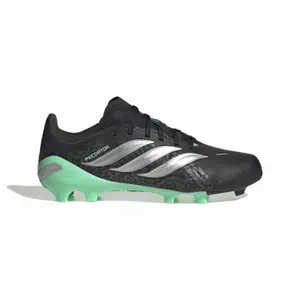

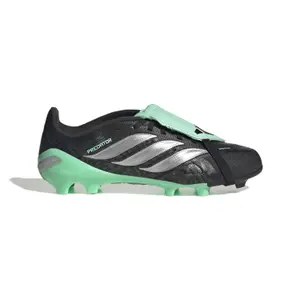
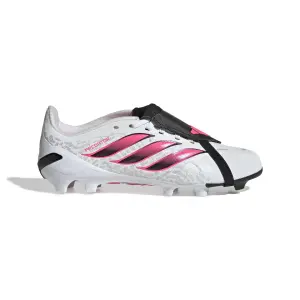
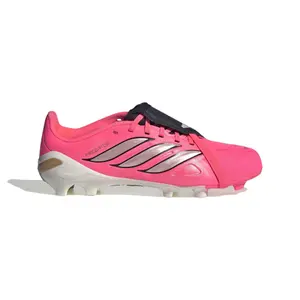

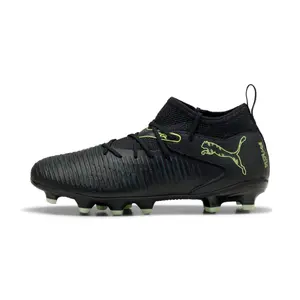
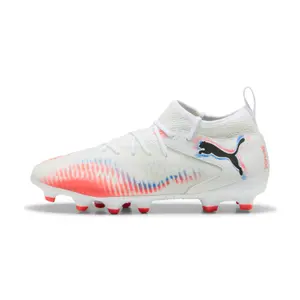
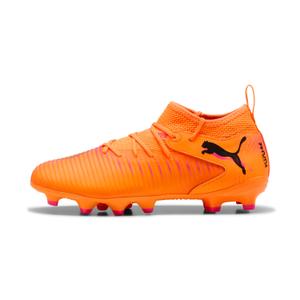
The children's shoes from the Christmas selection cover all ages, from first steps to college: Velcro trainers Victoria and Superga, waterproof models Geox, Asics in running style, retro English trainers Gola, barefoot shoes Mikk-Line, and football boots adidas F50 for young footballers.
Shoes for running, playing, and growing.
Velcro or laces: what closure to choose based on age
The closure is chosen based on the child's independence. Before the age of six, velcro allows them to put on their shoes by themselves at school or in childcare: you can find it on the Superga Cotjstrap, a velcro version of the brand's vulcanized canvas that originated in Turin in 1911, on the Victoria canvas shoes, or on the Mikk-Line. Laces are often learned around five or six years old and hold the foot better during running and ball games. Asics come in two children's size ranges: PS, for preschool age, and GS, for primary school, which follow growth up to middle school. Even for an older child, a velcro strap like the adidas F50 Hyperfast Club prevents laces from coming undone during a match.
Other ideas
The selection for children also includes:
- Clothes.
- Accessories, hats, gloves, and bags.
- Gift ideas on a budget.
- Gift ideas at a moderate budget.
- Gift ideas at a larger budget.
All selections are gathered on the children's page.
Rain, schoolyard, football pitch: a sole for every use
For winter, a waterproof shoe prevents wet socks during recess: Geox models marked ABX, like the Magnetar or the Flexyper Plus, incorporate Amphibiox technology, which blocks water while allowing sweat to escape. The barefoot shoes Mikk-Line take a different approach with a thin, flexible sole, having no height difference between the heel and the forefoot, and a wide toe box where toes spread freely, allowing the foot to move naturally as if walking barefoot. On the field, the FG/MG sole of the adidas cleats is suitable for both natural grass and synthetic pitches at football schools, which avoids the need to buy two pairs.
Gola, Victoria, Skechers: brands that kids love
Several brands in the selection have a real history. Gola, founded in England in 1905 to make leather football boots, now offers the Daytona, a sneaker inspired by retro running that combines nylon and suede. Victoria, born in Spain in 1915, dresses children in its colorful canvas shoes, ranging from patterned models to more subdued solid versions for back-to-school. Skechers focuses on thick, comfortable soles for active days. For toddlers, adidas sneakers in Spider-Man colors turn getting dressed in the morning into a game, while Steve Madden's Jpossession features a raised sole similar to the adult model for girls.
Good deals
Good bargains can also be found in the good deals, promotions, clearance, sales, Black Friday. The new arrivals showcase the latest collections, and items shipped within 24 hours are prepared and dispatched in 24 hours. The year's highlights follow a stable order: the Black Friday at the end of autumn, the year-end holidays, the winter sales, the French Days in spring, then the summer sales and back-to-school.
Frequently asked questions
How do you measure a child's foot?
You place the child standing on a sheet of paper, heel against a wall, and mark the tip of the longest toe. You add about a centimetre to the measured length to allow space for growth and foot movement.
At what age should a child move to their first soled shoes?
The first soled shoes are only useful once walking is well established, often between twelve and ten-eight months. Before that, soft slippers or bare feet at home allow the foot to develop naturally.
What shoe size for an eight-year-old?
At eight years old, the shoe size is usually between thirty and thirty-three, but the variations are large from one child to another. Only measuring the foot in centimetres allows you to choose the right size without making mistakes.
How often should children's shoes be changed?
Between three and six years old, a child's foot often grows a size per year, sometimes more. It's best to check the size every three months: a child rarely complains about shoes that have become too small.
Can shoes worn by an older sibling be reused?
It's possible for lightly used leisure sneakers. However, a shoe deformed by another child's foot, collapsed at the heel or worn on one side, will no longer support the foot properly and may hinder walking.






