
Sunglasses Komono


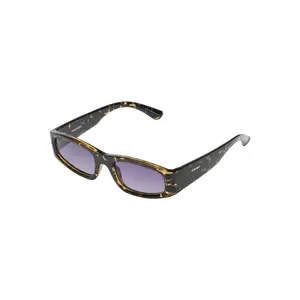


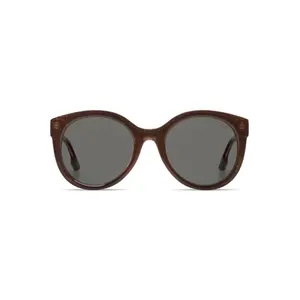
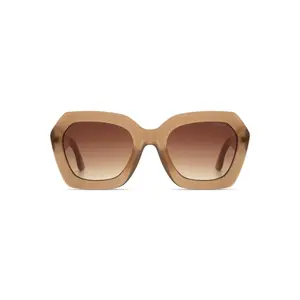


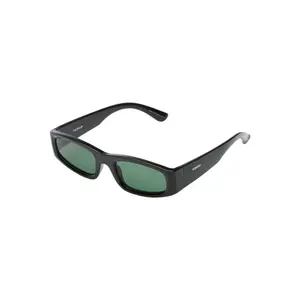
Our Komono page is dedicated to the sunglasses brand founded in Antwerp in 2009, known for its reimagined retro shapes and colourful frames at accessible prices. Here you will find our tips for choosing a shape that suits your face, a frame material, and lenses that really protect your eyes, as well as how to keep your glasses in good condition from one summer to the next.
The design from Antwerp, to wear every day.
Komono, glasses born in Antwerp in 2009
Komono was founded in 2009 in Antwerp by two Belgian designers, Anton Janssens and Raf Maes. Its name comes from a Japanese word that refers to small everyday objects and accessories, an idea that summarises the brand's approach: simple, easy-to-wear pieces with refined designs. Its sunglasses embrace classic shapes like round, square, butterfly, or aviator, modernised with current colours, translucent or tortoiseshell acetates, and tinted lenses. The city of Antwerp, known for its fashion scene, has influenced this minimalist and graphic style.
Other brands
Sunglasses are also available by brand:
All sunglasses can be found on the sunglasses page.
Round, square, or aviator: which shape for your face
Choosing a Komono frame starts with the face shape. A round face is balanced with a square or rectangular frame, which adds angles; a square or angular face is softened with a round or oval frame. An oval face can wear almost anything, including butterfly and oversized shapes. The aviator frame, made of fine metal, elongates shorter faces. In terms of size, the top of the frame should follow the eyebrow line without exceeding it, and the total width should not go beyond the temples. Thick and colourful acetate makes a statement; metal, being more discreet, is barely noticeable on the nose.
Filter category, UV400, and lens care
A pair of sunglasses is first judged by its lenses. The CE marking and the UV400 label guarantee the filtering of ultraviolet rays up to four hundred nanometers, regardless of tint. The filter category, marked on the arm, indicates the amount of light blocked: category three is suitable for most summer uses, while category four is reserved for high mountains and prohibited while driving. Gradient lenses, darker at the top, allow for reading a screen or map. To last, sunglasses should be cleaned with soapy water and microfiber, stored in their case, and never placed lens down on the table.
Good deals
Good deals can be found in the good deals, promotions, clearance, sales, and Black Friday. The new arrivals showcase the latest collections, and items shipped within 24 hours are prepared and dispatched in 24 hours. The highlights of the year follow a stable order: the Black Friday at the end of autumn, the end-of-year holidays, the winter sales, the French Days in spring, followed by the summer sales and back-to-school season.
Frequently asked questions
Do Komono sunglasses protect against UV?
Check for the UV400 label and CE marking on the arm or label of the model: they guarantee ultraviolet filtering. The tint of the lenses, it, doesn't indicate their protection level, as a clear lens can filter as much as a dark lens.
Are Komono glasses suitable for driving?
Yes, for category two or three lenses, which provide good comfort in sunny weather. Category four lenses, very dark, are not allowed while driving, and overly tinted lenses can be problematic in tunnels.
Which frame material is the most comfortable for daily wear?
Acetate, sturdy and colourful, distributes weight well on the nose and ears, while metal, being thinner and lighter, is barely noticeable. The choice depends as much on the comfort desired as on the style preferred.
How can I tell if a frame is the right size for me?
The frame should neither slide down your nose when you tilt your head nor pinch your temples. Your eyes should be centred in the lenses, and the arms should rest on your ears without leaving marks.
How do I clean my sunglasses without damaging them?
Rinse the lenses with warm water to remove dust, then wipe them with a clean microfiber cloth, never with a dry fabric or tissue. Avoid leaving them on the dashboard in direct sunlight, as heat can warp the frames.






