
BMX wheels, freestyle and race
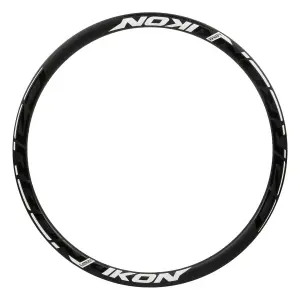
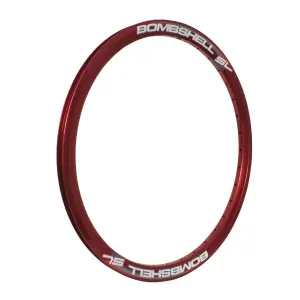
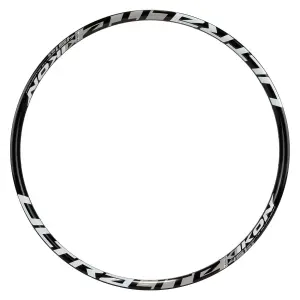
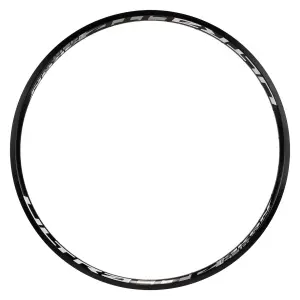
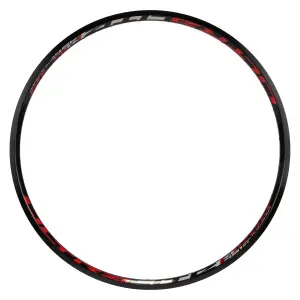
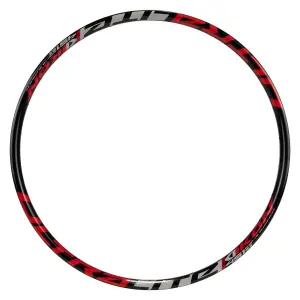
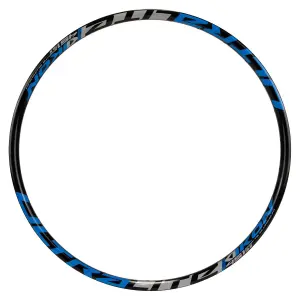
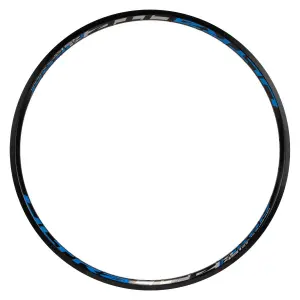
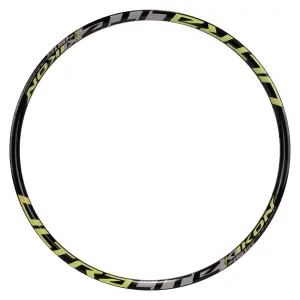
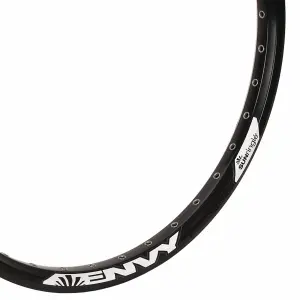
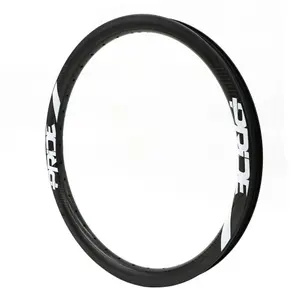
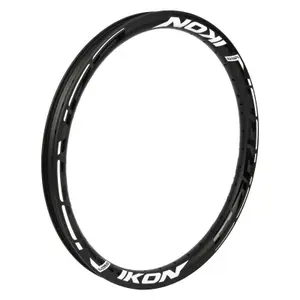
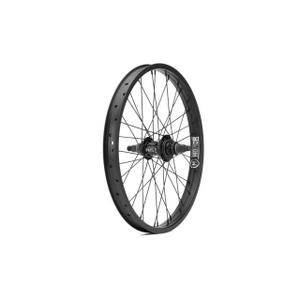
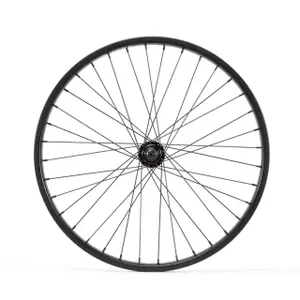
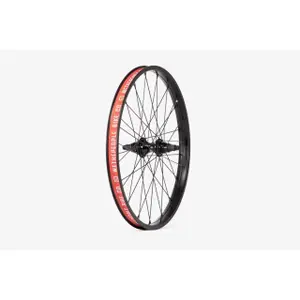
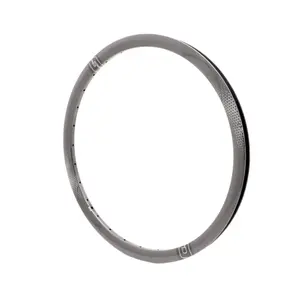
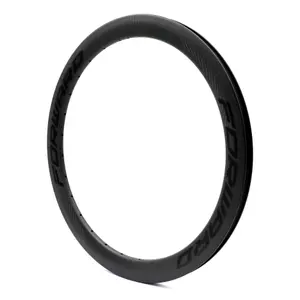
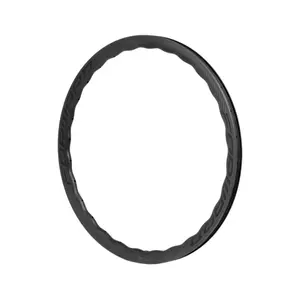
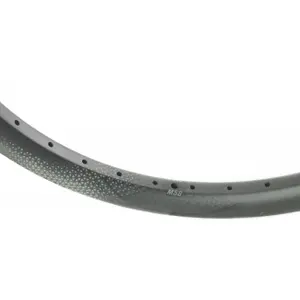
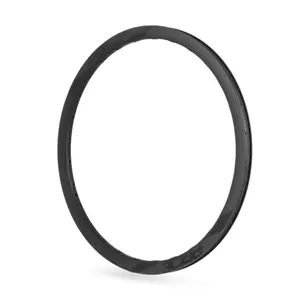
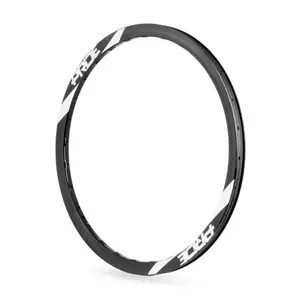
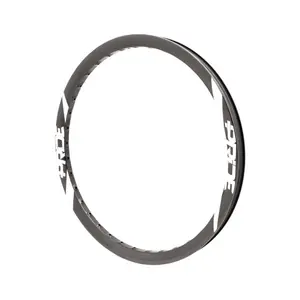
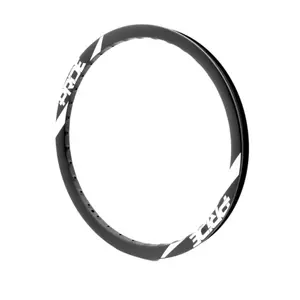
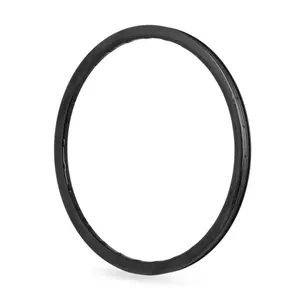
Our BMX Wheels page brings together our tips for choosing wheels: twenty inches in diameter or more, cassette or freecoaster rear hub, axle type, single or double wall rim, durability for street and park, lightweight for racing, and tyre width.
Sturdy wheels for every discipline.
The twenty-inch standard
BMX bikes roll on twenty-inch wheels, which is four hundred six millimetres at the rim’s bead, a diameter that ensures agility and strength. Twenty-four-inch wheels are found on cruisers and some adult BMX bikes, while smaller diameters, sixteen or ten-eight inches, are suitable for children. The double-walled rim, which is sturdier, better withstands landings than the single-walled rim.
The rest of the wheel
BMX wheels and tyres are also available in:
You can find everything you need on the wheels and tyres page.
Two rear mechanisms
The rear hub is chosen based on how you ride. The freewheel hub, a classic, engages the wheel as soon as you pedal forward and allows the wheel to spin freely when you stop. The freecoaster hub, popular in street riding, lets you ride backwards without the pedals moving, making it easier to chain tricks in fakie. For freestyle, we prefer 14mm axles, which are strong and compatible with pegs.
Race or freestyle
In freestyle, the wheels must handle jumps and grinds: wide and reinforced rims, tyres at least two inches wide, inflated to varying pressures depending on the skatepark or street. In race, on the other hand, we look for lightness and efficiency: thin rims, narrow and well-inflated tyres. Regular checks are made on the alignment and tightening of axle nuts, and a cracked rim should be replaced.
Good deals
Good bargains can also be found in the good deals, promotions, clearance, sales, and Black Friday. The new arrivals showcase the latest collections, and items shipped in 24h are prepared and sent within 24 hours. The highlights of the year follow a consistent order: the Black Friday at the end of autumn, the year-end holidays, the winter sales, the French Days in spring, then the summer sales and back to school.
Frequently asked questions
What’s the difference between a cassette hub and a freecoaster on a BMX?
The cassette hub, direct and responsive, drives the pedals when the bike moves backward. The freecoaster lets the wheel spin backward without moving the pedals, ideal for fakie tricks, although it has a slight lag when powering back up.
Why choose a double-walled rim for street and park?
The double-walled rim, reinforced with a second internal wall, is much better at withstanding landings and impacts against curbs. In racing, a lighter rim is accepted to gain acceleration.
What wheel diameter is suitable for a children's BMX?
Sixteen or ten-eight inch wheels are fitted on BMX bikes for younger kids, moving to twenty inches as the child grows. Twenty-four inch wheels are reserved for cruisers and adults of larger sizes.
What type of axle should you check before buying a rear BMX wheel?
The axle should match the frame dropouts, usually 14mm at the rear in freestyle, and able to accommodate pegs if used. Race BMXs often use thinner and lighter axles.
What tyre width should be fitted on freestyle BMX wheels?
In street and park, wider tyres, around 2.3 to 2.4 inches, are preferred for absorbing landings and providing grip. In racing, narrower and more inflated tyres reduce rolling resistance.






