
MTB Gloves by Discipline
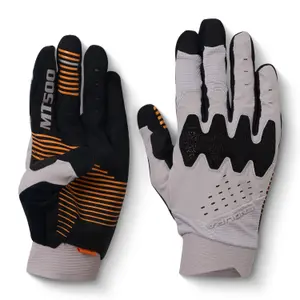


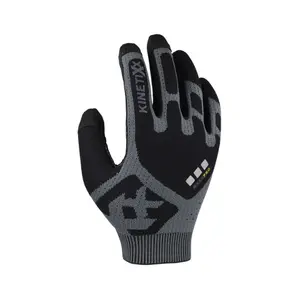
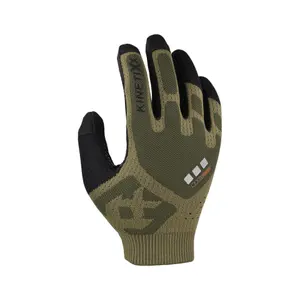
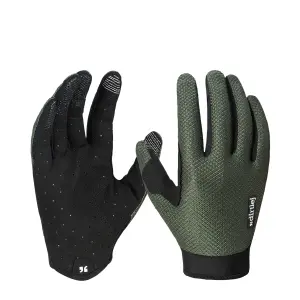
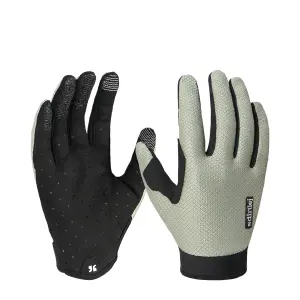
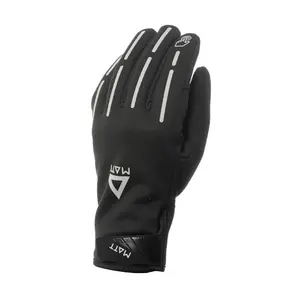


This page brings together MTB gloves and our tips on how to choose them based on your activity, from cross-country to downhill: palm thickness, finger grip on the levers, protection for the knuckles, warmth in cold or wet weather, and proper size. You'll find the Uki glove from Etxeondo, the cycling textile brand founded in 1976 in the Spanish Basque Country.
The right glove for every trail.
What glove for each discipline, from cross-country to downhill
In cross-country, where lightness and feel are key, the ideal glove has a thin synthetic palm, a ventilated back, and sometimes a bit of padding at the base of the hand. In trail and all-mountain, we keep a thin palm but with a more durable back, as branches and brambles brush against the hands in tight sections. In enduro and downhill, the gloves add rubber moulding on the knuckles and a thicker fabric on the side of the hand, the area that touches the ground first during a fall. In all cases, long fingers remain the norm as soon as the trail gets technical.
The rest of the gear
Mountain bike equipment also comes in different forms:
All the equipment is gathered on the MTB page.
Palm, fingertips and touch: the details that matter
The palm affects the feel on the grips. A s synthetic leather palm of a single thickness accurately conveys information about the terrain, while overly thick padding creates folds and ends up causing blisters. Silicone fingertips grip brake levers, whether dry or wet, allowing you to brake with one finger without slipping. A touch panel on the thumb and index finger lets you check your GPS or phone without taking your glove off. The wrist fastening, either with Velcro or a simple elastic cuff, can be chosen based on whether you prefer adjustable support or a glove that slips on easily.
The glove Uki and the Basque brand Etxeondo
Etxeondo was founded in 1976 in Villabona, near San Sebastián, by Francisco Rodrigo Belaza, who switched from haute couture to cycling textiles. The brand initially outfitted amateur teams, then professional teams in the 1980s, and remains a family business today. The glove Uki reflects this commitment to fit: a well-fitted hand, with no excess fabric, to maintain contact with the handlebars during long rides. It’s designed for the mountain biker who prioritizes sensitivity and comfort on smooth or long-distance routes rather than technical descents.
Good deals
Good bargains can also be found in good deals, promotions, clearance, sales, and Black Friday. The new arrivals showcase the latest collections, and items shipped in 24h are prepared and dispatched within 24 hours. The key times of the year follow a stable order: Black Friday at the end of autumn, the year-end holidays, winter sales, French Days in spring, then summer sales and back to school.
Frequently asked questions
How do you measure your hand to find the right size of glove?
You measure the circumference of your hand at the knuckles, excluding the thumb, using a tailor's measuring tape. The traditional numerical size of gloves corresponds to this measurement expressed in inches: a hand of about twenty-five centimeters wears a size ten.
Long gloves or mittens for MTB?
Long-finger gloves protect against branches, stones, and falls, and improve grip on levers: they are the standard in MTB. Mittens are limited to warm-weather rides on obstacle-free paths.
Which MTB gloves for winter?
A glove that is lined and windproof on the back of the hand keeps fingers warm while still having a thin enough palm to modulate braking. Avoid overly thick models, as they fatigure the forearms on long descents.
How do you wash muddy MTB gloves?
First, rinse them in warm water to loosen the mud, then wash them by hand or machine at thirty degrees, with Velcro closed, using a gentle detergent. They should air dry, never on a radiator since that hardens the palm.
Should a child wear gloves when mountain biking?
Yes, from their very first rides on paths: children often fall and land on their hands first. A long-finger glove, in the right size and easy to put on by themselves, protects palms from scrapes and improves grip on sometimes stiff levers.






