
Line body: nylon, fluorocarbon and braid
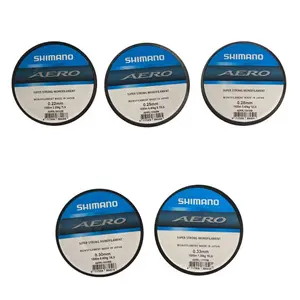
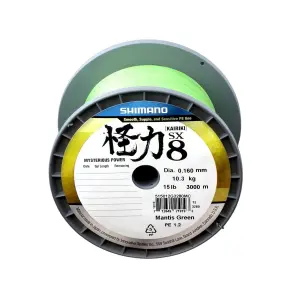
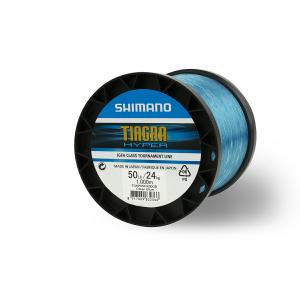
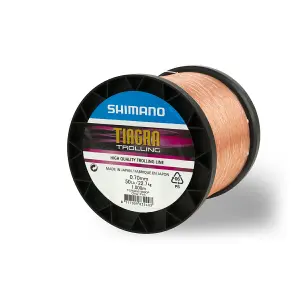
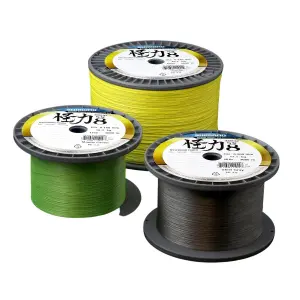
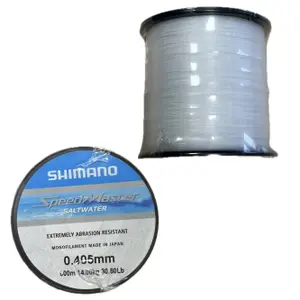
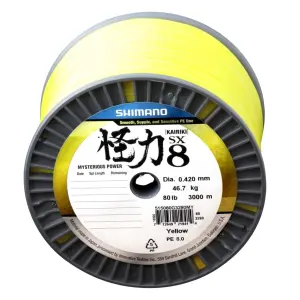
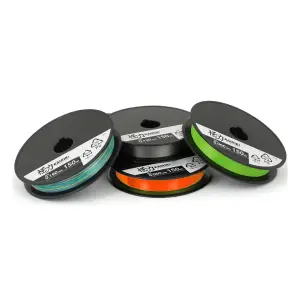
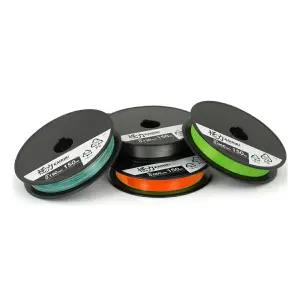

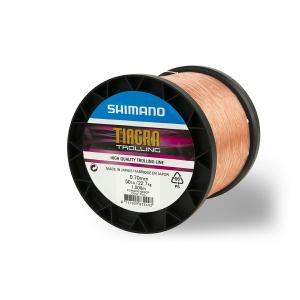
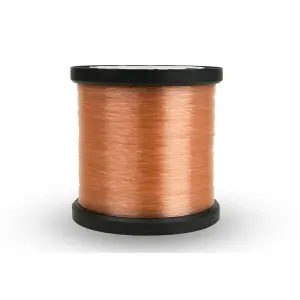
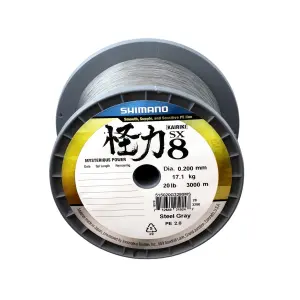
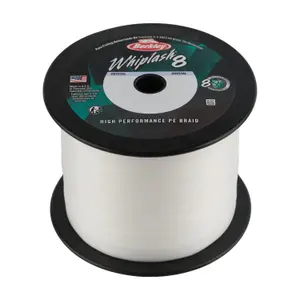
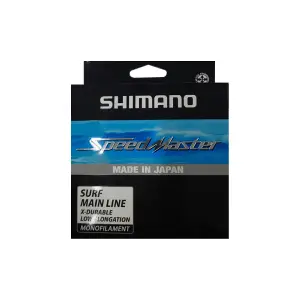
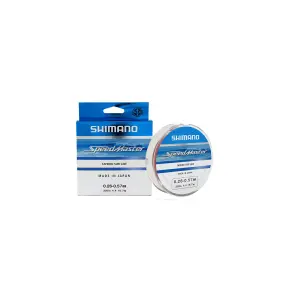
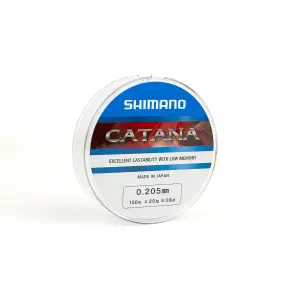
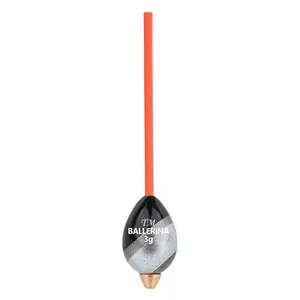
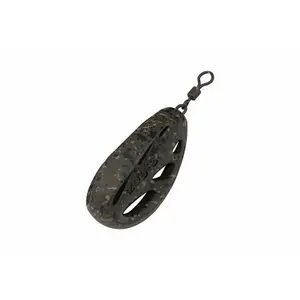
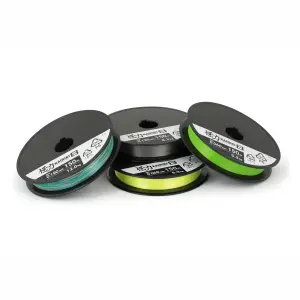
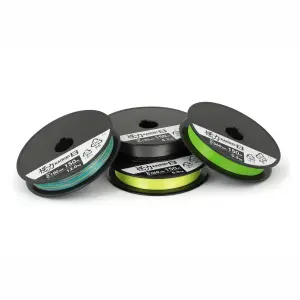
Our selection of main lines includes the lines that connect the reel or the tip to the rig: match fishing nylons from Cresta, Matrix, and Guru, monofilament Shimano Catana, Maver Lake Monster line, Preston fluorocarbon, and conical line leaders from Shimano Speedmaster for surfcasting. Everything you need to choose the right diameter and material depending on the fish, casting distance, and water clarity.
The link between the angler and the fish.
Main line and hook length: roles and diameters
The main line is the primary line: wound onto the reel or attached to the tip of the rod, it carries the float or weight and connects the angler to the setup. The hook length, which is thinner, holds the hook. This difference in diameter is intentional: in case of a break, it’s the hook length that gives way while the rest remains intact. For coarse fishing, a main line of ten to fourteen hundredths is paired with a hook length of six to ten hundredths; for carp fishing, it goes up to thirty to thirty-five hundredths on the reel. Strength is measured in kilos or pounds, with one pound being just under half a kilo.
The rest of the setup
The setup also includes:
The entire setup is gathered on the setup page.
Nylon, fluorocarbon, or braid: three behaviours
The nylon, or monofilament, stretches under load: this elasticity cushions the head jerks of a carp or bream and forgives a strong strike. Soft and easy to tie, it remains the basic line for coarse fishing, like the image of the Cresta Visorate or the Matrix Power Micron. The fluorocarbon, denser, sinks quickly, and its refractive index close to that of water makes it very discreet; it also resists abrasion against rocks and shells better. The braid, made of intertwined fibers in four or eight strands, has almost no elasticity: it transmits every bite and offers strong resistance for a small diameter, at the cost of greater visibility.
Conical line heads and line aging
In surfcasting, casting a heavy weight places a brutal strain on the first metres of line. So, a line head, which is thicker, is added to absorb the shock. The Shimano Speedmaster Surf Taper, sold in packs of ten fifteen-metre heads, is conical: its diameter increases gradually, so the knot that links it to the main line remains thin and passes easily through the guides. Regarding lifespan, nylon ages with ultraviolet light and absorbs some water, which reduces its strength: it should be stored away from light, with the first metres trimmed off as soon as they become rough, and the spool renewed regularly.
Good deals
Good bargains can also be found in good deals, promotions, clearance, sales, Black Friday. The new products showcase the latest collections, and items shipped in 24 hours are prepared and dispatched within 24 hours. Key events throughout the year follow a stable order: Black Friday at the end of autumn, the end-of-year holidays, winter sales, French Days in spring, then summer sales and back-to-school.
Frequently Asked Questions
What line to use for trout fishing with a float?
When using a float, trout are fished with worms while following the current’s drift: a nylon of fourteen to ten-eights hundredths, soft and low visibility, is suitable, with a slightly thinner hook length. Some anglers add a coloured line at the front to better read the drift.
What line to use for fishing at sea, from the shore or by boat?
From the shore, in surfcasting, a nylon of twenty-five to thirty-five hundredths is common, complemented by a thicker line head. On a boat, many anglers prefer braid, which transmits bites in depth despite the drift.
How much line to put on the reel spool?
Fill the spool to within one or two millimetres of the edge: too little line reduces casting distance, too much line causes tangles. The capacity, engraved on the spool, indicates how many metres it can hold for a given diameter.
How to connect the main line to the hook length?
In coarse fishing, two loops are often connected, allowing for quick hook length changes in just a few seconds. On the reel, a swivel or a connection knot like the double Grinner ensures a solid junction between two lines of different diameters.
Should you moisten a knot before tightening it?
Yes: saliva or water lubricates the line and prevents it from heating during tightening. A heated nylon loses part of its strength at the knot, which is already the weak point of any line. Tighten slowly, then cut off the excess without burning the line.






