
Motocross underwear
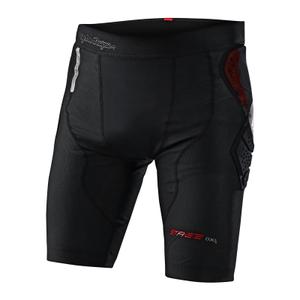
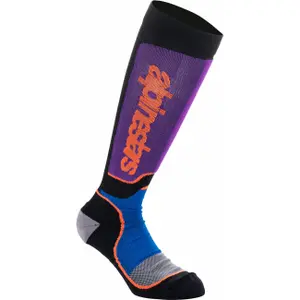
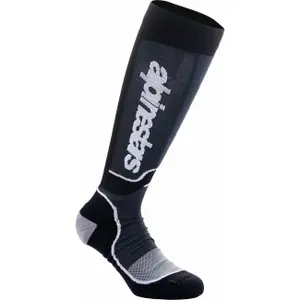
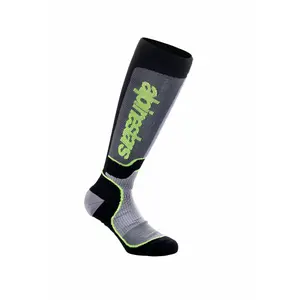
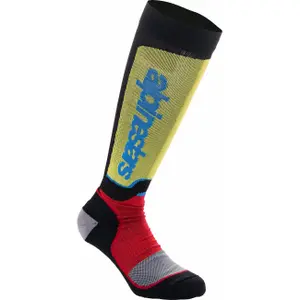
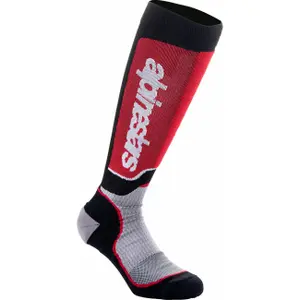
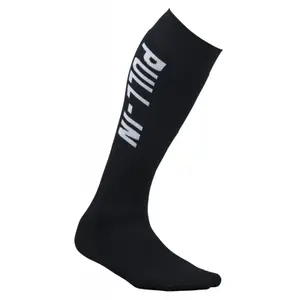
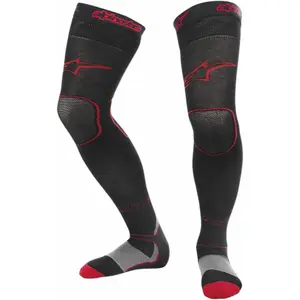
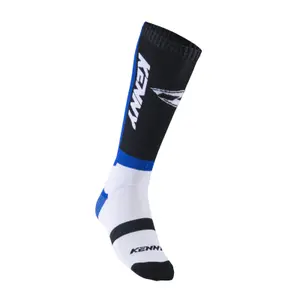
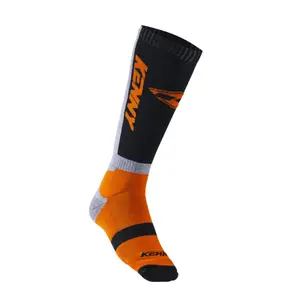
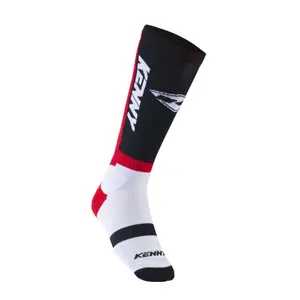
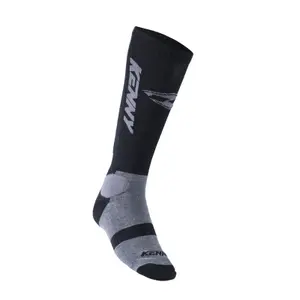
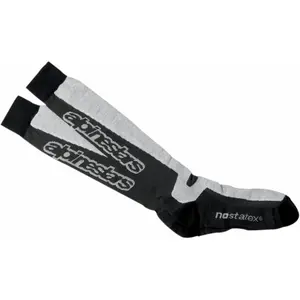
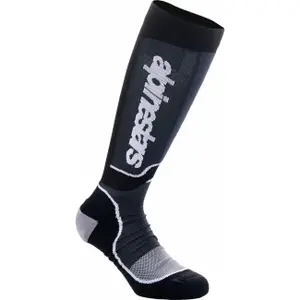
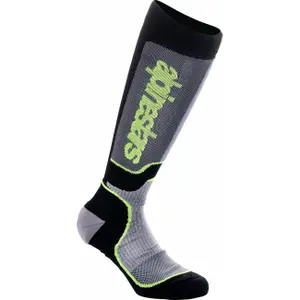
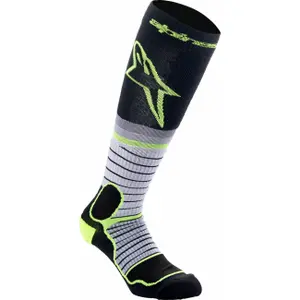
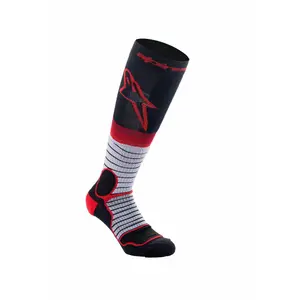
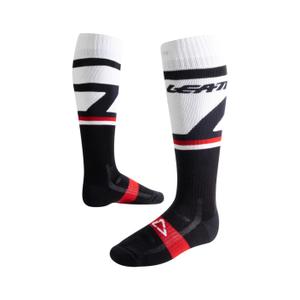
Motocross underwear forms the layer worn next to the skin, under the gear and boots: tall socks that protect the leg from rubbing, protective under-shorts and shorts that cover the hips and tailbone, technical tights that wick away sweat. Notably, you can find the Alpinestars MX Plus and Pull-in MX socks, designed for rigid boots.
The rider's first layer.
MX Socks: Height, Fibre, and Padding
A motocross sock goes much higher than a sports sock: it goes above the top of the boot and under the knee brace, so no shell edge rubs against the skin. The Alpinestars MX Plus features a one-piece construction with Dryarn fibre, which is light and barely absorbent, with mesh areas and ribbed knitting that keeps the sock in place; reinforced padding protects the ankle. The Pull-in MX follows the same principle, with a long shaft and technical fabric. A wrinkle-free sock is essential: in a rigid boot, even the slightest fold can cause a blister after a few laps.
The Rest of the Gear
Cross outfits also come in different styles:
All outfits are gathered on the cross outfits page.
Shorts and Protective Shorts: Covering Hips and Coccyx
Under the cross pants, the technical shorts, fitted and without protruding seams, limit friction when the rider stands on the footpegs and grips the bike with their knees. The protective shorts go further: they include pads or shells at the hips, coccyx, and sometimes on the upper thighs, areas that are often affected during a fall or a badly executed landing. They should be snug enough so that the pads don't shift, and it's important to check that they don't create extra thickness under the waistband of the pants, which should maintain its regular fit. In summer, a ventilated fabric helps prevent overheating.
Technical Tights and Care for the Base Layer
The tights are worn under the pants, either alone or over the shorts: they cover the leg up to the ankle, eliminate direct contact between the skin and the knee pads or braces, and keep the muscles warm during chilly mornings. They should be made from synthetic fibre, which wicks sweat away from the skin; cotton retains it, cools the skin as soon as you stop, and irritates under the pads. These fabrics should be washed after each ride, at thirty degrees without fabric softener, which clogs the fibres, and then air-dried: the tumble dryer stretches the elastic fibres and causes the fabric to lose its shape.
Good Deals
Great deals can also be found in the good deals, promotions, clearance, sales, and during the Black Friday. The new arrivals showcase the latest collections, and items shipped in 24h are prepared and dispatched within 24 hours. The major events of the year follow a consistent order: Black Friday in late autumn, holiday season, winter sales, spring French Days, then summer sales and back-to-school.
Frequently Asked Questions
What size of cross socks should I choose?
You should stick to your shoe size, making sure the heel of the sock aligns properly with your heel. If they're too big, they will bunch up in the boot; if they're too small, they will slip down while riding and leave your shin in contact with the shaft.
Is a protective short needed in enduro like in motocross?
It's useful in both disciplines: in enduro, falls are often slow but repeated, on rocks or roots. A ventilated model remains comfortable throughout a long day of riding.
Can I wear cotton underwear under my cross outfit?
It's better to avoid it: cotton retains sweat, stays damp and cools the skin as soon as you take a break. A technical synthetic fibre dries much faster and doesn't stick under the pads.
How many pairs of socks should I plan for a day of riding?
At least two: you should change socks halfway through the day or after a muddy session, as a wet sock slips in the boot and causes chafing. A dry pair also brings comfort for the ride back.
Are these underwear suitable for quad or trial?
Yes, the same socks and shorts can be worn for quads, trial, or enduro. In trial, where a lot of walking next to the bike occurs, thinner socks and a very breathable short are preferred.






