
Boxing gloves on clearance


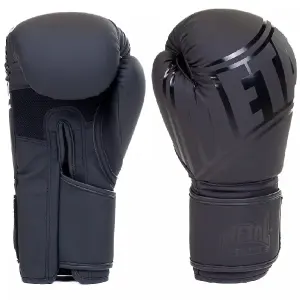


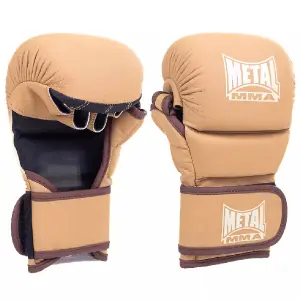


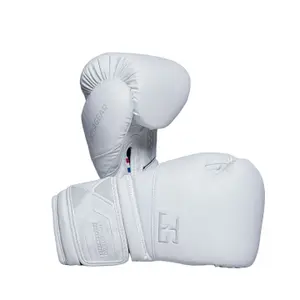
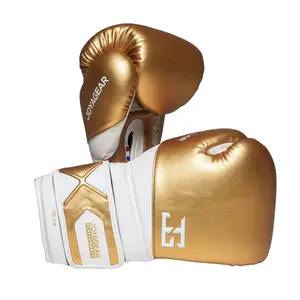


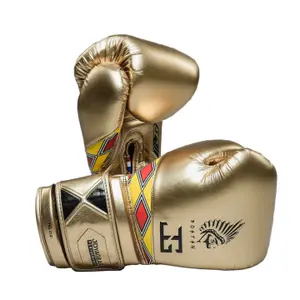


The boxing gloves gathered here at the end of the series are used for English boxing, Muay Thai, and kickboxing, from the first initiation session to intensive sparring. Thai leather gloves Twins Special and King Pro Boxing, Italian gloves Leone, Booster, Kwon, 8 Weapons, Joyagear, Metal Boxe, and Benlee: each pair is chosen according to its weight, discipline, and hand size, for both adults and children.
Quality gloves, from a previous collection.
The weight in ounces according to size and use
The weight of a boxing glove is expressed in ounces, with one ounce being a little over twenty-eight grams: the higher the number, the thicker the padding. Children start with four or six ounces, teenagers with eight or ten. For an adult, the common benchmark is ten ounces for under sixty kilos, twelve ounces up to seventy-five kilos, then fourteen or sixteen beyond that. In sparring, you always go heavier than for the bag, often sixteen ounces regardless of weight, to protect both your partner and your own hands. Amateur competition gloves, which are lighter, are set by the rules of each federation according to the weight category.
The other clearance items
Boxing clearance also includes:
- Protective gear, helmets, shin guards, and cups.
- Shoes.
- Textiles, shorts, and vests.
- Accessories, wraps and bear paws.
All clearance items can be found on the boxing page.
Boxing glove or Thai glove
A Thai glove, like the Twins Special, King Pro Boxing, or 8 Weapons, is recognized by its shorter cuff and the padding distributed more evenly over the back of the hand. This shape keeps the wrist free for clinching, the grip on the neck unique to Muay Thai, and provides better protection during kick blocks. The boxing glove, like the Leone Shock or DNA, concentrates the foam on the knuckles and lengthens the cuff to lock in the wrist for punches and hooks. For kickboxing, which mixes punches and kicks without extended clinches, both shapes are suitable; the Thai glove remains the most versatile in clubs.
Leather, synthetic, and closure: the durability of a glove
A glove made of leather, like the Leone Shock or most hand-stitched Thai models, breaks in nicely over time and withstands years of hits. Synthetic, easier to maintain and more affordable, is found in many beginner gloves, like those from Metal Boxe: a good choice for training one to two times a week. The Velcro closure goes on by itself in seconds, which is why it’s found on nearly all training gloves. Lacing, which requires a partner to tie up, offers the most uniform wrist support and remains the standard for professional fight gloves.
Equipping a child or a beginner
A child starting in educational boxing or kickboxing needs a lightweight glove, four to eight ounces depending on their age, with a Velcro cuff they can close by themselves. The Metal Boxe One or Twins Special junior-size children’s gloves follow the adult model design scaled down for a small hand, and the Benlee Chakar kit provides a complete first pair for the youngest. For a woman with slender hands, a beginner glove with a female cut, like the one from Metal Boxe, ensures the hand doesn’t float in the glove, a common cause of wrist pain. It’s always tried on with the wraps already on, like during training.
Frequently asked questions
How do you know if a boxing glove is the right size?
With a fist closed, the fingers touch the bottom of the glove without being pinched, and the hand doesn’t turn inside. The cuff should fit flat on the bandaged wrist: if the Velcro sticks out or is loose, the glove is too big or too small.
How long does a pair of boxing gloves last?
A synthetic glove used twice a week lasts around one to two years, while a well-maintained leather glove lasts much longer. A compressed padding that allows you to feel the knuckles upon impact requires replacement, even if the outside looks intact.
Can you use the same gloves for the bag and sparring?
This is possible for beginners, but the bag compresses the foam over time, and a hardened glove becomes dangerous for the partner. Regular boxers keep a lighter pair for the bag and a more padded pair for sparring.
Why do boxing gloves smell bad?
sweat builds up in the foam and breeds bacteria, especially if the gloves are left closed in a bag. They should be opened immediately after the session, dried in the air, and moisture absorbers tucked inside.
Are Thai boxing gloves allowed in English boxing?
During training, there’s no restriction, and many boxers use them. In official competition, however, each federation imposes its own gloves, often provided by the organizer, with a weight set according to the category.






