
Climbing textile clearance


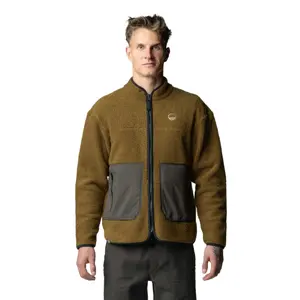
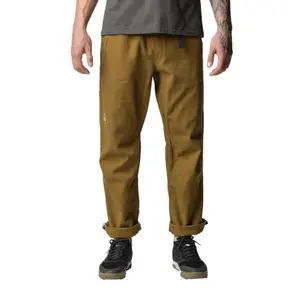
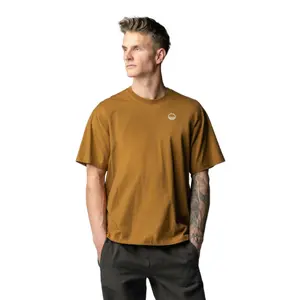


The climbing textile clearance brings together end-of-line climber clothing: trousers and shorts Wild Country, Ocun and La Sportiva, stretch denim climbing jeans, t-shirts Snap Climbing, Montura and Wild Country, jackets, bras and puffers Rafiki. Cuts designed to lift the leg high and withstand the rock, both in bouldering gyms and on crags.
Dressing for climbing, at a gentler price.
Climbing trousers: inseam, waist and fabric
A climbing trouser is recognised by its gusseted crotch, a diamond-shaped piece of fabric that allows you to lift your foot to hip height without the seam pulling. Its waist is flat or drawcord, so it doesn’t create any pressure points under the harness, and the cuffs often taper to help you see your feet on the holds. The fabric varies: heavy cotton canvas that resists abrasion on the Wild Country Movement, soft organic cotton on the Ocun Mania, lighter and stretchier fabric on the Ocun Noya, which also comes in a short version for female climbers. Each fabric serves a purpose, from indoor bouldering to long routes.
Other end-of-line items
Climbing clearance also includes:
All end-of-line items can be found on the climbing page.
Shorts or trousers: bouldering gym and outdoor climbing
In the bouldering gym, where you climb in cooler clothes and it gets hot, shorts are a must: the La Sportiva Bolt and the Flatanger, named after the Norwegian site, or the Ocun Mánia and Noya shorts for female climbers, leave the knees free for heel and toe hooks. In outdoor climbing, trousers take the lead: they protect the knees and shins when wedged in cracks and on abrasive limestone. The climbing jeans Wild Country Spotter, made from stretchy denim, bridges the two: flexible enough for climbing, yet smart enough to wear in town after your session.
Wild Country, Ocun, Snap: climber brands
Behind these clothes, you’ll find brands born from the rock. Wild Country was founded in 1977 by British climber Mark Vallance in the Peak District, a climbing hotspot in England. Ocun, a Czech brand, and Rafiki, another Czech brand, dress both gyms and crags with cuts designed by climbers. Snap, born in Chamonix, brings a quirky style to its t-shirts and denim shirts. Montura, an Italian mountain brand, rounds out the offering with t-shirts and a waterproof jacket for approaches. La Sportiva, from the Dolomites, produces shorts that are both robust and lightweight.
Cotton, synthetic and chalk: materials and care
Cotton, often organic from Ocun, remains the preferred material for climbers for trousers and t-shirts: soft, abrasion-resistant, it withstands the rubbing of rock and rope. Synthetic materials, which are lighter and dry faster, take over for long approaches and mountain use, like the waterproof jacket Montura Seed or the hooded down jacket Rafiki Darcy, to be worn at the belay. Chalk embeds itself in the fibres: shake and brush off your clothes after climbing, then wash them inside out at thirty degrees, without fabric softener, and air dry.
Frequently asked questions
Can you climb in leggings?
Yes, a thick and stretchy legging is great for indoor use, where the wall doesn’t damage the fabric much. For outdoor climbing, it’s better to opt for trousers made of more durable fabric, as fine mesh gets worn quickly at the knees.
What should you wear on top for climbing?
A soft and breathable t-shirt or tank top keeps the shoulders and arms free. Female climbers often add a sports bra, and it's good to have a warm layer to put on while belaying.
What size should you choose for climbing trousers?
Take your usual size: the cut should allow you to lift your leg without pulling, but not be too loose so it doesn’t hide your feet. Tapered ankles help you see your foot placements on the holds.
Is a down jacket useful for climbing?
Yes, outdoors: you can get cold quickly while belaying or at the stance. A lightweight, compressible down jacket with a hood fits into your bag and can be put on between routes without hindering your movement.
Can climbing jeans be worn casually?
Yes, that’s the point: it looks like a regular jean, but its stretchy denim and reinforced crotch allow for flexibility. You wash it like a jean, inside out and at low temperatures.






