
Cross training shoes on clearance


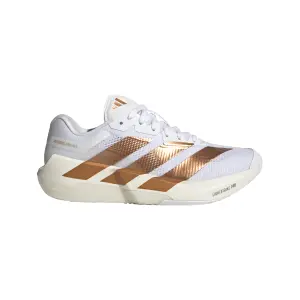

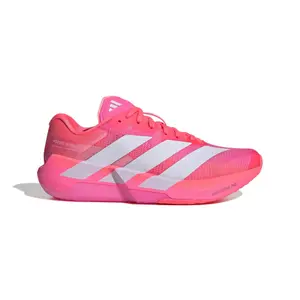


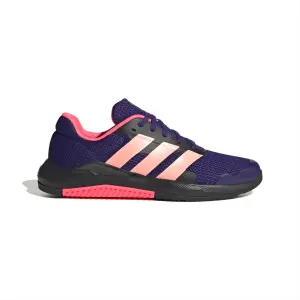


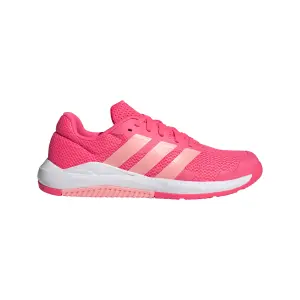


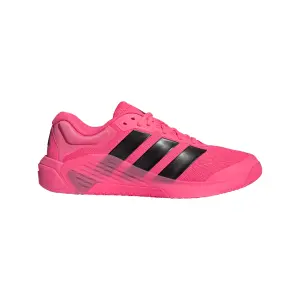


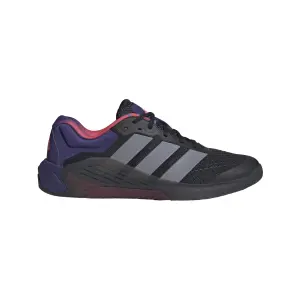
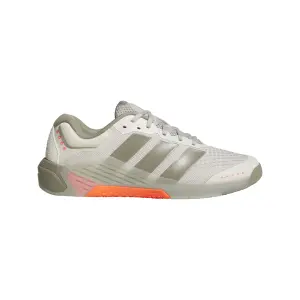
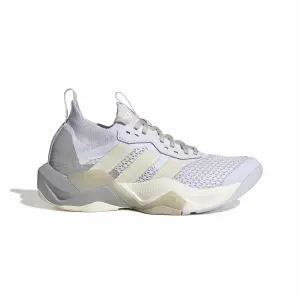


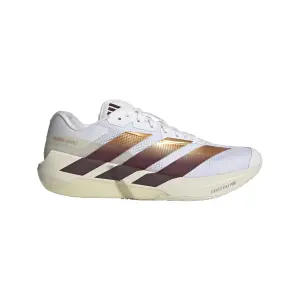


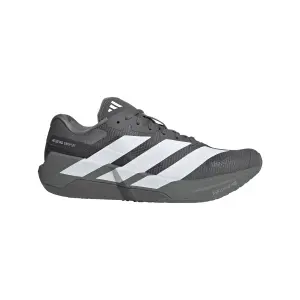


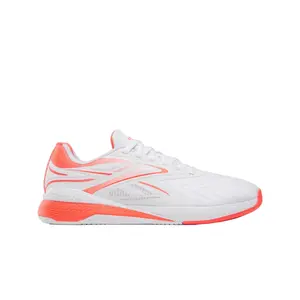
The clearance sale of cross training shoes features end-of-line models for weightlifting, CrossFit, and HIIT: Nike Metcon and Free Metcon, Reebok Nano, adidas Dropset and Rapidmove, TYR, in men's and women's cuts. Stable, flat soles for weights, and flexible forefoot for jumps: shoes designed for sessions that mix efforts, at reduced prices.
A stable gym shoe, at a kinder price.
Firm heel, flat sole: the anatomy of a training shoe
A cross training shoe is built around stability. Its firm and wide heel doesn't compress under the bar during a squat or deadlift, and its drop, the height difference between heel and forefoot, remains low, usually between four and seven millimetres, to keep the foot flat. The forefoot, which is more flexible, supports activities like skipping rope, box jumps, and burpees. Lateral reinforcements hold the foot during sideways movements, and a rubber section extending over the arch protects the upper during rope climbs, where the shoe serves as a brake. In contrast, a highly cushioned running shoe becomes unstable under load.
Other clearance items
Fitness clearance also includes:
All clearance items are gathered on the fitness page.
Nike Metcon and Reebok Nano: two CrossFit references
The Reebok Nano appeared in 2011, the first shoe specifically designed for CrossFit, when Reebok was a partner of the CrossFit Games. It stands out with a wide forefoot that allows the toes to spread during lifts and has since been offered in many versions, including the Nano Flow, which is more flexible for varied sessions. The Nike Metcon, which came a few years later, focuses on a very firm and flat heel, with a rear reinforcement that slides against the wall during handstand push-ups. The Free Metcon combines this stable heel with the flexible sole from the Free range, and the Air Max Alpha Trainer adds an air cushion to the heel for cardio classes.
adidas Dropset, Rapidmove and TYR: heavy loads or quick sessions
At adidas, two lines cater to two practices. The Dropset is aimed at weightlifting: dual-density sole, firm under the heel for lifts and softer at the front, around a six-millimetre drop, and lateral reinforcement that locks the midfoot in place. The Rapidmove, lighter and more responsive, targets HIIT and group classes featuring jump squats, short sprints, and direction changes. TYR, an American brand founded in 1985 and long known for its competitive swimwear, has made a name for itself in training with shoes that have a very wide and stable base, like the Trainer or the CXT, designed for sessions that combine weights and gymnastics.
Size and women's fit: adjusting your gym shoe
A training shoe should fit more snugly than a running shoe: your foot shouldn't slide during lateral movements or landings. You keep your usual size while ensuring there's about half a centimetre in front of your toes, and try on the pair at the end of the day when your foot is slightly swollen. Women's models, like the Nike Metcon or the female version of the adidas Dropset, have a narrower shape at the heel and a volume adjusted. A wide foot will likely opt for the Reebok Nano or the TYR, which have a generous forefoot that gives the toes room to move.
Frequently asked questions
What shoe for a cardio fitness class?
For step, Zumba, or cardio training, a light shoe with cushioning at the forefoot and a flexible sole makes jumping and pivoting easier. Very flat models, designed for load, are less suitable for these impact-rich sessions.
Can you weight train with cross training shoes?
Yes, that's one of their main uses: their firm heel and low drop keep feet stable under the bar. For pure weightlifting with maximum loads, however, elevated heel weightlifting shoes remain more suitable.
How long does a pair of cross training shoes last?
If used only in the gym, a pair often lasts several years with three sessions a week. They are replaced when the sole compresses, the heel loses its firmness, or the upper tears at the rope climbing area.
Can you wear cross training shoes daily?
Yes, they can be worn without issue in the city for walking. However, their firm and flat sole is less suited for long days on your feet compared to a heavily cushioned shoe, and their rubber wears out faster on pavement than on the floor of a gym.
Can a woman wear a men's model?
Yes, many models come in a similar shape. In European sizes, the size remains the same; in American sizes, you typically remove one and a half sizes when transitioning from a women's model to a men's model.






