
Racket polos in private sale
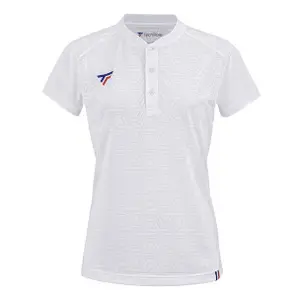
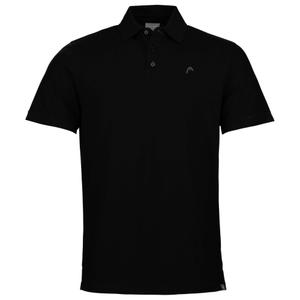
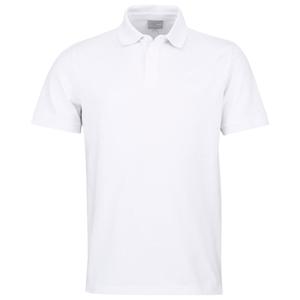
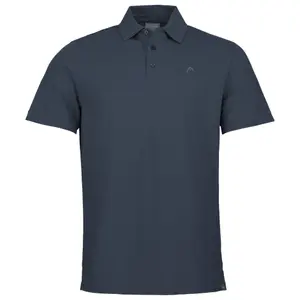
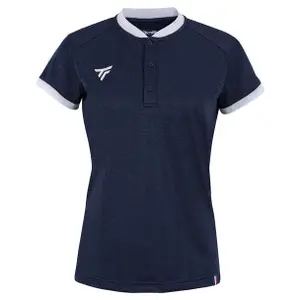
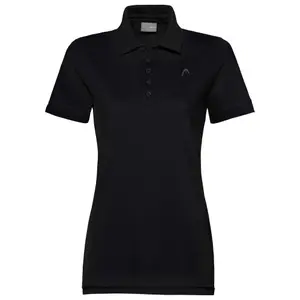
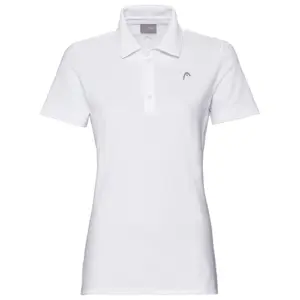
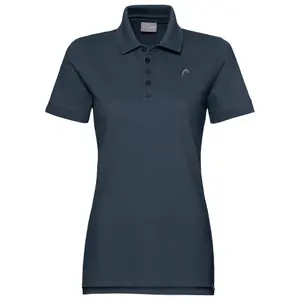
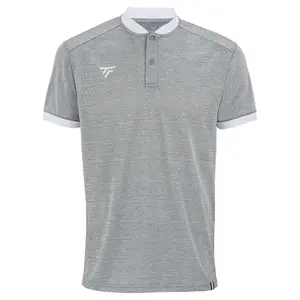
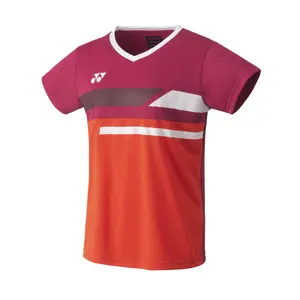
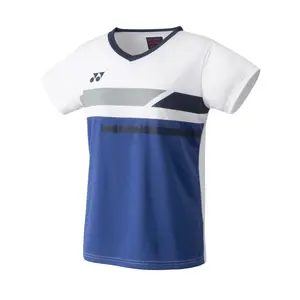
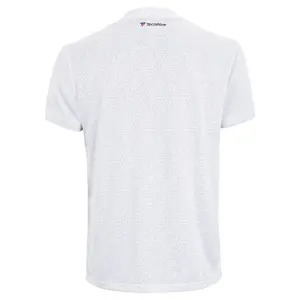
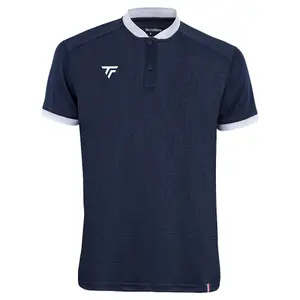

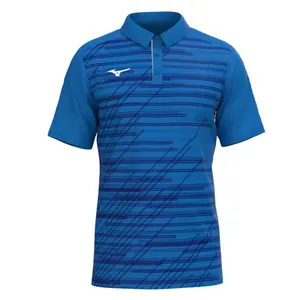
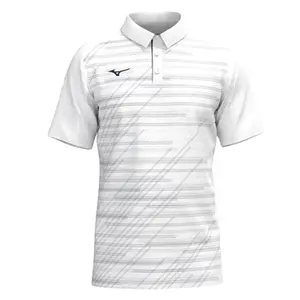
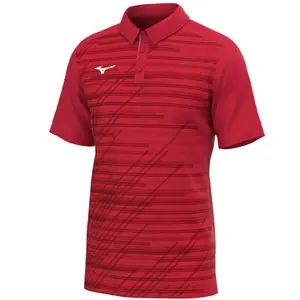
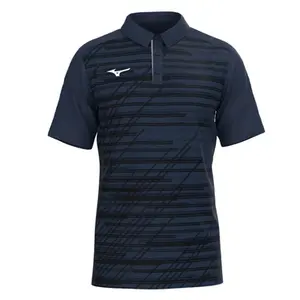
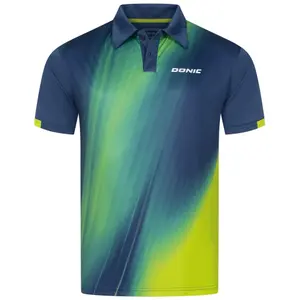
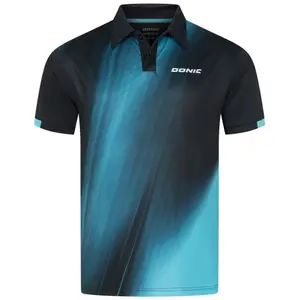
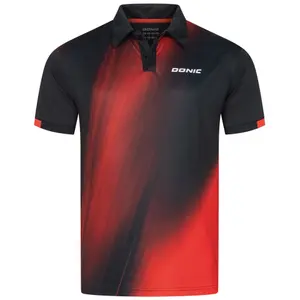
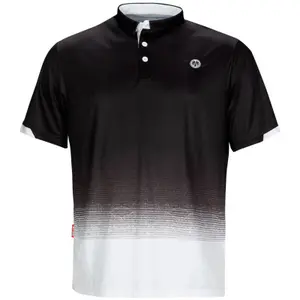
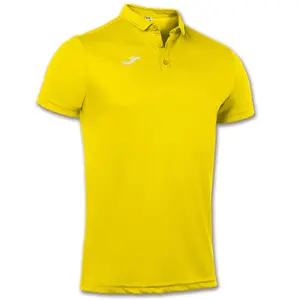
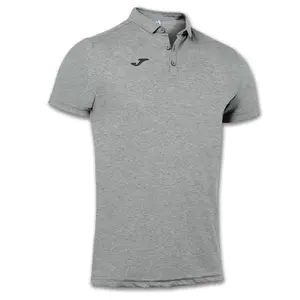
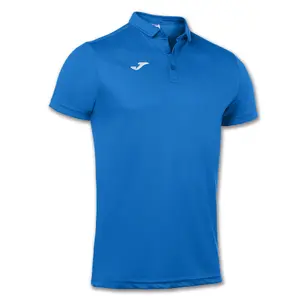
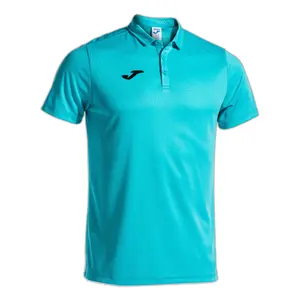
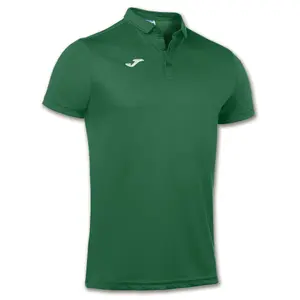
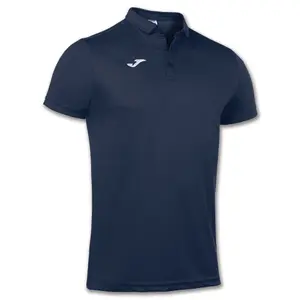
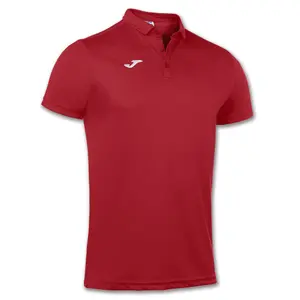
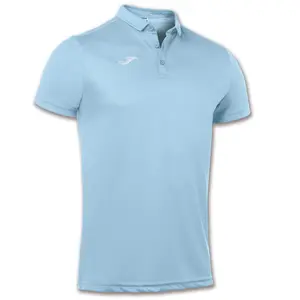
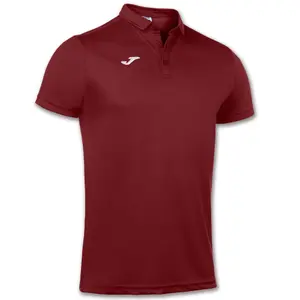
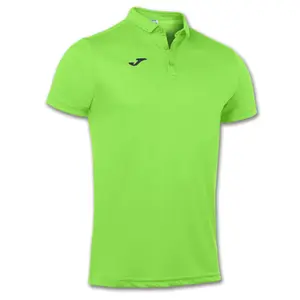
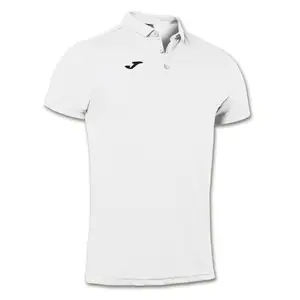
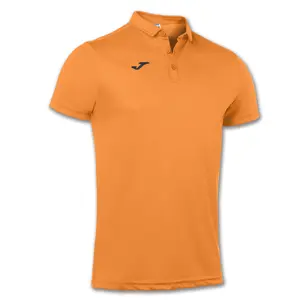
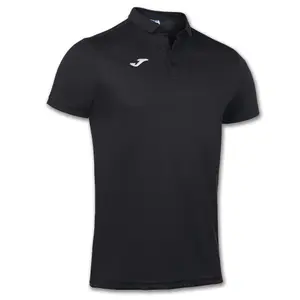
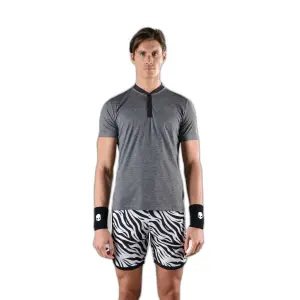
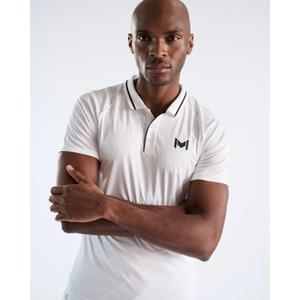
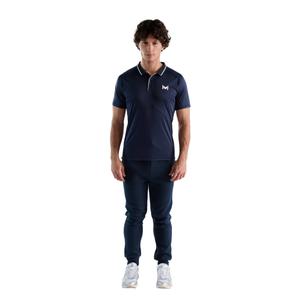
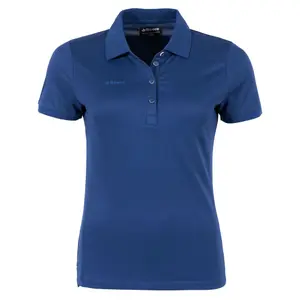
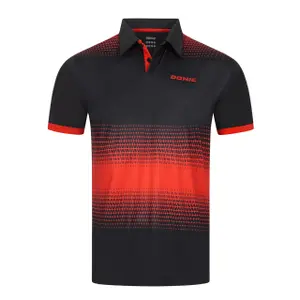
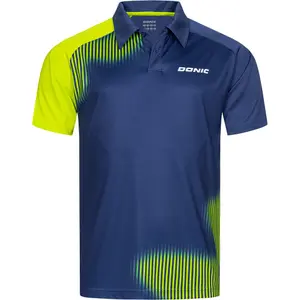
The private sale of racquet sports polos includes tennis, padel, badminton, and table tennis polos: Lacoste Djokovic On Court, French Team and Ultra Dry, Tecnifibre Team Mesh and Team Tech, Asics Match and Court, Mouratoglou Match, Yonex Team, Joma Hobby, and Oliver Sport. Technical polos for play, and classic cotton ones for after the match.
The court polo, at a reduced price.
The L.12.12 polo and the invention of the petit piqué
The modern tennis polo dates back to 1933, the year when René Lacoste, a champion on the courts in the 1920s, launched the L.12.12 model. The name reads like a code: L for Lacoste, one for the petit piqué, the retained airy cotton mesh, two for the short sleeves, and twelve for the number of the chosen prototype. The embroidered crocodile on the chest, designed in 1927 by Robert George, makes Lacoste one of the first brands to display a visible logo on a garment. This nickname of crocodile was given to René Lacoste by the American press for his tenacity. The Regular Fit and blended cotton Lacoste polos continue this original cut.
Other textile pieces
The racket textiles also come in:
All the textile available in private sales can be found on the textile page.
White attire, ball colour: the rules on the court
Competition polo sometimes adheres to dressing rules. At Wimbledon, the outfit must be almost entirely white, off-white and cream being refused, with a single coloured trim no wider than one centimetre; many British clubs apply a similar code. In table tennis, international regulations require the main colour of the shirt to be distinctly different from that of the ball, so that the opponent can follow it without confusion. For interclub matches, many teams choose the same polo, like those from the Team ranges of Tecnifibre and Yonex, available for men, women, and children. A white collared polo remains the most versatile piece.
Technical polos: breathable mesh and quick drying
For playing, the technical polo replaces cotton with polyester, a fibre that hardly absorbs water: sweat is drawn to the outside of the fabric, where it evaporates. The Tecnifibre Team Mesh, from the French brand founded in 1979 and long known for its strings, adds areas of breathable mesh in places where sweat is most prevalent. The Lacoste Ultra Dry Jacquard features a textured weave that limits contact with the skin. The Asics Match and Court, lightweight and breathable, are suitable for long rallies. The Lacoste Djokovic On Court, designed with Novak Djokovic, features a fitted cut that doesn't flap during serves.
French Team, Mouratoglou, Yonex: team and academy polos
Some polos carry a brand identity. The Lacoste French Team, available for men and women, is inspired by the outfits of the French tennis team. The polos Mouratoglou Match, available in Paris, New York, and Classic editions, come from the academy founded by Patrick Mouratoglou, who coached Serena Williams for ten years. Yonex, a Japanese brand founded in 1946 and a reference in badminton, offers the Team polo for women. Joma, a Spanish brand, and Oliver Sport complete the selection with simple polos for clubs. Finally, Tecnifibre offers the Team Tech in children’s sizes, so young players can wear the same uniforms as the adults in their club.
Frequently asked questions
Do Lacoste polos run small?
Lacoste uses a specific numerical scale for the brand, alongside standard sizes S, M, or L: a four generally corresponds to M, and a five to L. Regular Fit cuts are straight, while performance models are more fitted; if in doubt, compare with a polo that you already own.
How do you fold a polo for a suitcase?
Button it up, lay it flat face down on the table, fold the sleeves in, then a third from each side towards the centre, and fold it in half. When stored flat on top of the suitcase, it arrives wrinkle-free at the collar.
Can you play padel in a tennis polo?
Yes, both sports require the same qualities: lightness, quick-drying, and freedom of shoulders for smashes. A technical tennis polo is perfect for padel as well as badminton or squash.
How can you prevent a white polo from yellowing?
Wash it with whites, inside out, with no excess detergent, and without waiting after the match: sweat that dries in the fibres yellows the collar and armpits. Air drying in the shade also helps limit yellowing.
Should you pop the collar on your polo?
Originally, the soft collar of the polo could be popped up to protect the neck from the sun on the court. Today, it's a question of style: on a performance polo, it is usually kept down to not hinder head rotation during serves.






