
Football shirts in private sale


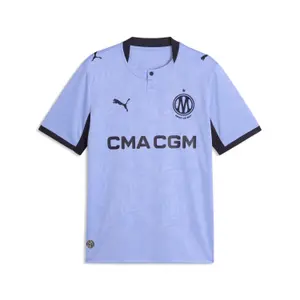
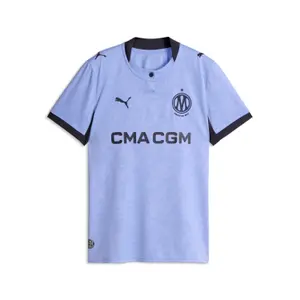


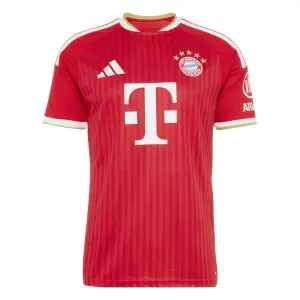

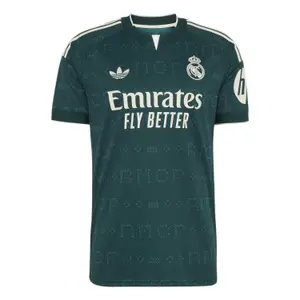
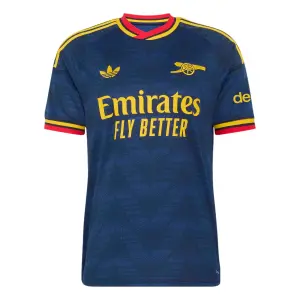
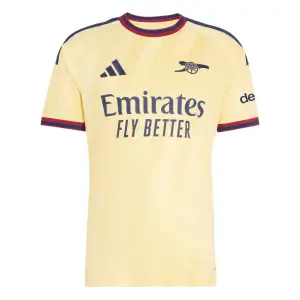


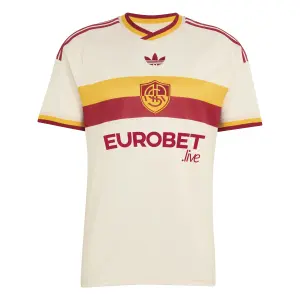

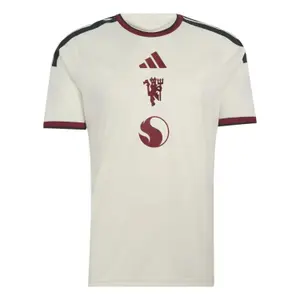
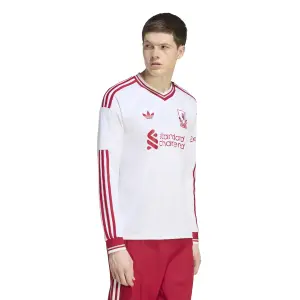
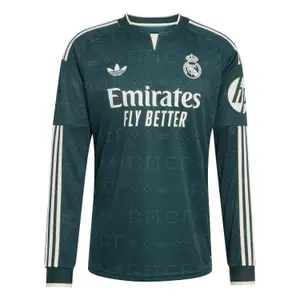
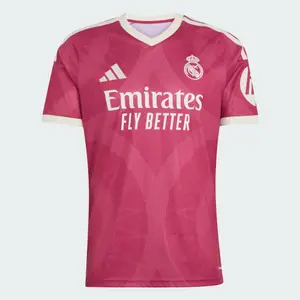


The football shirts from the private sale cover clubs and national teams: PSG, OM, RC Lens, Real Madrid, FC Barcelona, Liverpool, Bayern or Arsenal, and nations like Brazil, Argentina, Portugal, Japan, Morocco or Algeria. Supporter and authentic versions, adult and child sizes, to support your team or complete a collection.
The shirt of your team or national selection, at a reduced price.
Supporter or authentic version: what are the differences
The supporter version features the same design as the players' jersey but in a more regular fit and thicker fabric, often with an embroidered badge: it is easy to wear both at the stadium and in everyday life. The authentic version is the one worn by players on the pitch: it has a closer fit, thinner and more ventilated fabric in heat areas, and heat-applied badges and logos to reduce weight. At adidas, it uses HEAT.RDY technology, while the supporter version relies on AEROREADY, and other brands follow a similar approach with their own fabrics. The authentic version tends to be smaller: it is common to take a size up for wearing off the pitch.
The rest of the kit
The football private sales are also available for:
- Shorts.
- Socks.
- Tracksuits.
- Shoes, boots, and indoor shoes.
All football private sales are gathered on the football page.
National team stars and the World Cup
The stars embroidered above the badge represent each World Cup won. Brazil has five, won between 1958 and 2002, Argentina has three since its victory in 2022, and France has two, from 1998 and 2018. The 2026 World Cup, hosted in the United States, Canada, and Mexico, will be the first to feature forty-eight teams: many national teams, from Japan to Morocco to Algeria, have showcased new kits. National team jerseys featuring the name of a star, like Messi for Argentina or Ronaldo for Portugal, excite the younger fans who follow the competition wearing their idol's colours.
OM, PSG, Real Madrid, Liverpool: the story behind the jersey
Every club jersey tells a story. OM, founded in 1899 and whose motto is "Straight to the goal," won the Champions League in 1993, the first for a French club. PSG was born in 1970 from the merger of Paris FC and Stade saint-germanois. Real Madrid, founded in 1902, owes its royal title to King Alfonso XIII, who granted it in 1920, and FC Barcelona was established in 1899 by the Swiss Joan Gamper. At Liverpool, Bill Shankly introduced the all-red kit in 1964, intended to make his players look more intimidating. RC Lens, founded in 1906, proudly displays its blood and gold colours in front of one of the most passionate crowds in France.
Storing and displaying a collector's jersey
A collector's jersey, signed or featuring the name of a player, should be kept away from light, which can fade colours and yellow whites. It should be stored on a wide hanger or folded in tissue paper, never in an airtight plastic cover that traps moisture. To display it, a deep frame with anti-UV glass protects it from sunlight and dust. A jersey meant to be worn should be washed inside out, at thirty degrees, without fabric softener, which clogs the technical fibers. The private sale is a great opportunity to get two copies, one for wearing and the other for keeping intact.
Frequently asked questions
Can I get a football jersey printed with my name?
Yes: the personalised printing uses the font of the club or national team, with your name and chosen number. It should then be washed inside out and never put in the tumble dryer, which can detach the letters.
What size jersey for a ten-year-old child?
A ten-year-old generally wears a size one hundred and forty, which corresponds to their height in centimeters. If they are tall for their age, it's best to consider their actual height rather than the age on the label.
What does the badge on a jersey sleeve mean?
The sleeve badge indicates the competition being played, either national league or European cup, according to the rules of each organiser. Some teams also display a special badge reserved for the titleholder.
Home or away jersey: which one to choose?
The home jersey, in the historic colours, is the most recognizable in the stands. The away jersey, often more original, complements a collection or appeals to those wanting to stand out.
Can you wear a football jersey outside the stadium?
The supporter version, looser and in thicker fabric, can be worn daily like a sports t-shirt. Some jerseys have even been designed for the city, like the France x Jacquemus jersey, featuring a design by the creator.






