
Kids' Boots and Booties on Sale


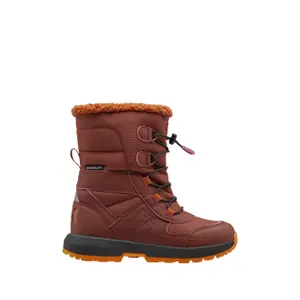


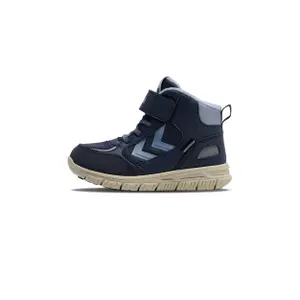
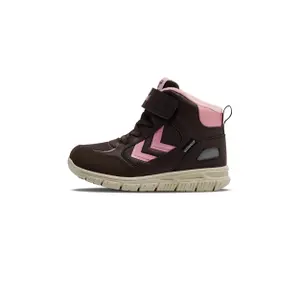


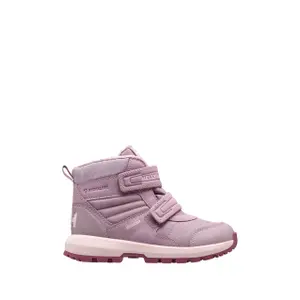
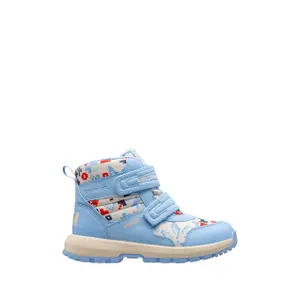

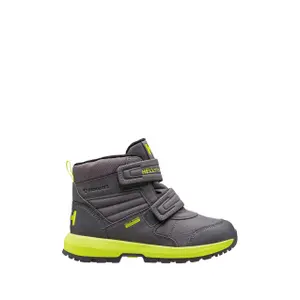


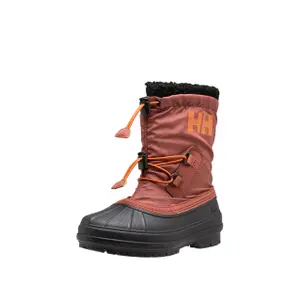

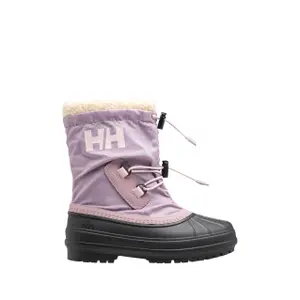
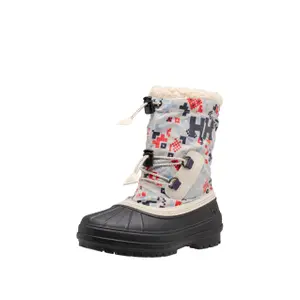
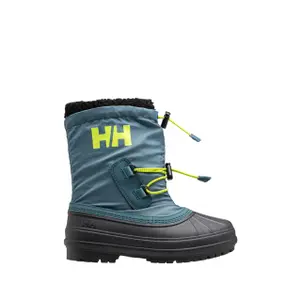


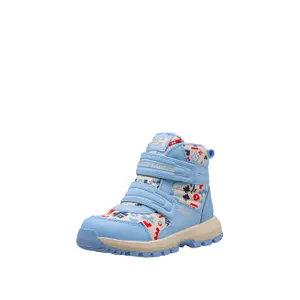

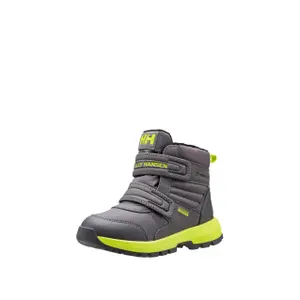


The sale of children's boots and ankle boots includes fur-lined winter boots Reima, Hummel, EMU Australia, GBB, Zigzag, Kimberfeel and Mikk-Line, rain boots Reima and Crocs Neo Puff, the Geox Eclair boot and the Cienta hook-and-loop ankle boots. Waterproof, lined or easy to slip on models, from first steps to primary school.
Keeping feet warm and dry, at discounted prices.
Boot or ankle boot: height according to use
The boot rises above the ankle, often up to mid-calf: it prevents snow from getting in at the top and protects the bottom of the trousers in puddles. The ankle boot stops just above the ankle bone; lighter and more flexible, it can be worn all day in class and allows the foot to move around in the playground. For outings in the snow or walks in the forest, the high boot remains the most effective; for everyday wear in the city, the Velcro ankle boot, like the Cienta, made in Spain, can be slipped on easily from kindergarten. The sales are a great opportunity to equip a child whose feet have grown since the previous winter.
The rest of the wardrobe
Discounted children's shoes are also available in:
All shoes are combined on the children's shoes page.
Membrane, lining or sheepskin: how a boot keeps warm
A winter boot must remain waterproof while insulating against the cold. The Finnish brand Reima, founded in 1944, has developed its own waterproof technology, Reimatec, and the Hummel Explorer Tex or X-Light Tex also rely on a membrane, indicated by the Tex label. EMU Australia, founded in 1994 near Geelong, uses sheepskin, which retains heat while wicking moisture away from the foot: the Mauboy, Wallaby or Leela are gladly worn with thin socks. The Kimberfeel boots, a brand from Haute-Savoie, and Mikk-Line, in a glitter version, add a warm lining for particularly cold days.
Rain boots and models for the littlest ones
For rainy days, the rubber rain boot remains unbeatable: the Reima Rain Ankles, short and easy to put on, are perfect for the puddles on the way to school, while the Crocs Classic Neo Puff, padded and very lightweight, adds a bit of warmth in cold and damp weather. For tiny tots, the Kimberfeel Nemo is designed for the smallest sizes, and models from GBB, a French brand founded in 1947 in Beaupréau, cater to the first winters. The Zigzag Wanoha and the GBB Fabienne are aimed at older children, while the Geox Eclair, which is thinner, is suitable for mild winters. A grip sole is essential on slippery surfaces.
Carefully measure a child's foot before ordering
A child's shoe size changes quickly, sometimes by several sizes in a year. Measure the foot at the end of the day, standing, heel against a wall, marking the endpoint of the big toe on a sheet of paper with a pen. Add about one centimetre of allowance to the measured length for a winter boot, to allow space for a warm sock and for the toes to move, which helps maintain circulation and warmth. An oversized boot, on the other hand, can cause tripping and let in cold air. Measure both feet, which are often slightly different, and keep the longer one. The removable insole can also serve as a template: the child places their foot on it to check the allowance.
Frequently asked questions
How to dry wet children's boots?
Remove the insole, stuff crumpled newspaper into the boot and leave it to dry at room temperature, changing the paper as soon as it becomes damp. A radiator and hairdryer can harden rubber and leather.
Are sheepskin boots suitable for playing in the snow?
Sheepskin keeps warm but is not waterproof by nature: slushy snow can end up soaking it. A waterproofing spray applied before winter protects the leather, but for snowball fights, a boot with a membrane is more suitable.
What boots to prepare for a snow class?
A warm, waterproof boot with a grip sole is essential for snowshoeing or playing in the snow. It should be tried on with thicker ski socks, and the child's name should be marked inside.
How to clean children's rain boots?
A rinse with water followed by a soapy sponge is enough to remove mud. Leave them to dry upside down, in the shade; if the rubber whitens over time, a suitable cleaning product can restore its colour.
At what age can a child put on their boots alone?
From the kindergarten age, many children can put on a wide velcro or pull-on boot by themselves. The handles on the back of the shaft, present on many models, help them pull it on without adult assistance.






