
The back-to-school espadrilles


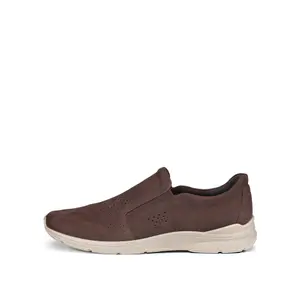
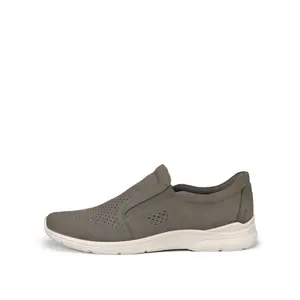
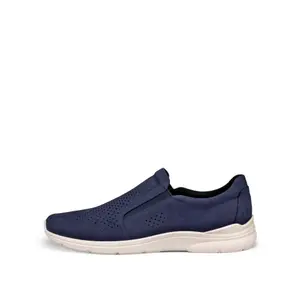


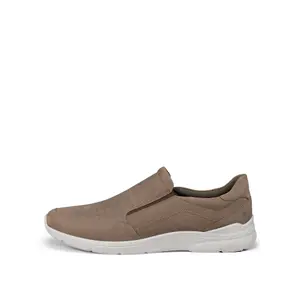


The espadrilles selection for the new term includes flat models, platforms, loafers, and cord-soled mules, for both women and men, from Toms, Ilse Jacobsen, Birkenstock, and Odaje. A shoe made of canvas and jute, inherited from the Pyrenees, perfect for the last warm days of September and those late-season weekends, bringing the same lightness as in full summer.
A light and breathable shoe, born in the Pyrenees.
From the Catalan espardenya to the workshops of Mauléon
The word espadrille comes from the Catalan espardenya, itself derived from esparto, the plant that was once used to weave soles. Catalan texts mention it as early as the 14th century. On the French side, Mauléon, in Soule, has become the capital of the espadrille: in the 19th century, merchants collected pairs sewn at home in nearby villages, before factories took over from the 1880s onwards. Today, the sole is most often made of jute rope, braided, rolled, and then sewn, while the upper part in cotton canvas remains the most faithful to tradition.
Toms Alpargata, the Argentine heir
In South America, the espadrille is known as alpargata, a canvas shoe long worn by farm workers in Argentina. It was during a visit to Argentina that American Blake Mycoskie discovered this model and launched Toms in 2006, featuring a no-lace design with a soft, enveloping upper. The Alpargata has remained the flagship model of the brand, notably available in Rope version, with a sole wrapped in rope. The Alonso Loafer adapts the concept to a loafer, and the Santiago Mule to an open-heeled mule: two more dressed-up styles that maintain the comfort of soft canvas.
Ilse Jacobsen platform and leather Birkenstock model
The platform espadrille elevates the silhouette while keeping a wide and stable sole, more comfortable than a thin heel. The Tulip by Ilse Jacobsen, a Danish designer who founded her brand in 1993 in Hornbæk on the north coast of Zealand, offers a Scandinavian version, available flat or on a platform: with a natural rubber outsole and stitched rather than glued assembly, ensuring durability. Birkenstock translates the rope sole onto a suede leather model, the Callan, which retains the softness of suede and can be worn both in mid-season and in the height of summer.
Other shoes for back to school
The selection continues with sneakers, sandals, flip-flops, sliders, mules, heels, all gathered on the back to school shoes page.
Size, care and wear of the rope sole
The canvas of espadrilles stretches when worn: it should be chosen to fit snugly, even half a size down between two sizes, with the heel not protruding from the sole. The jute rope absorbs water, swells, and can mildew: avoid puddles and, after a shower, stuff the shoe with newspaper to let it dry in the air, away from a radiator. The canvas can be hand cleaned with a soft brush and soapy water, keeping the rope as dry as possible. Models with a thin rubber sole under the rope resist wear better on asphalt.
Frequently asked questions
How to tie lace-up espadrilles?
Lace-up espadrilles are wrapped around the ankle: cross the ribbons over the instep, pass them behind the ankle, then bring them forward for a flat knot. Tie moderately tight to avoid marking the skin while walking.
How to whiten white espadrilles?
Scrub the canvas with a paste of baking soda and water, using an old toothbrush, then rinse with a barely damp sponge. Avoid bleach, as it damages the jute rope, and let them dry in the shade.
Are wedge espadrilles comfortable?
Yes, more so than thin heels, as the wedge sole distributes weight evenly along the length of the foot. For long walks, prefer a medium height platform with a snug upper that prevents the foot from sliding forward.
How long does a pair of espadrilles last?
It all depends on the sole and usage: worn in dry weather and alternated with other pairs, a canvas and jute espadrille can last several summers. A sole protected by rubber and an upper stitched rather than glued significantly extend its lifespan.
Men's or women's espadrilles: what are the differences?
Men's models favour flat shapes, loafers, and muted colours. Women's models add platforms, mules, and a wider range of colours. The principle remains the same: an upper in canvas or leather set on a rope sole.






