
Autumn Flip-Flops


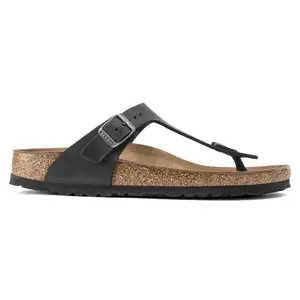


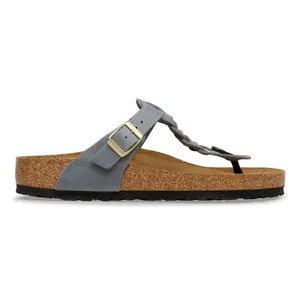


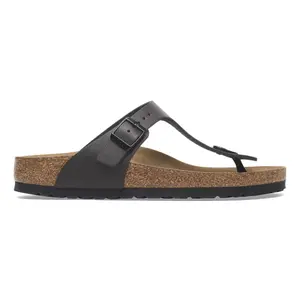


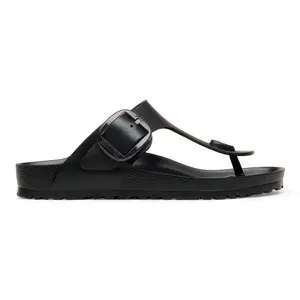
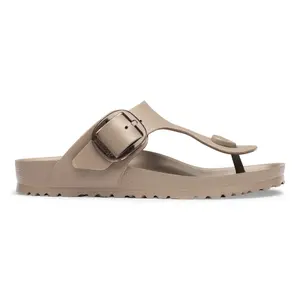
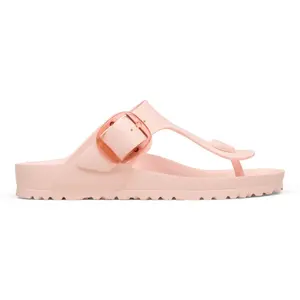
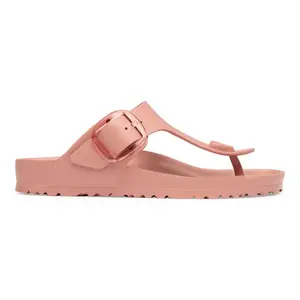


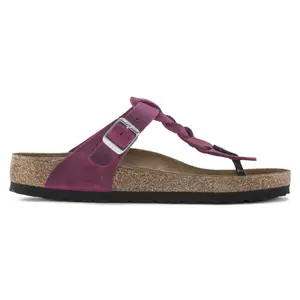


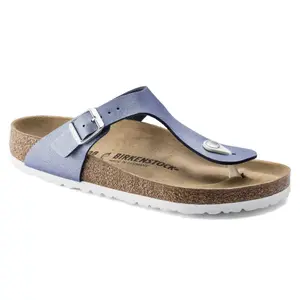
The flip-flops for the new season extend Indian summer: rubber Havaianas, Birkenstock models on cork soles, ergonomic FitFlop flip-flops and fancy flip-flops from Ilse Jacobsen Hornbæk, adorned with flowers, rhinestones or glitter. For women, men and children, the selection ranges from pool flip-flops that can handle water to walking flip-flops with better foot support.
For the beach, the pool, and the last warm days.
Havaianas: the rubber born in Brazil
The Havaianas came out in 1962 from the workshops of São Paulo Alpargatas, which adapted the zori, the Japanese rice straw flip-flop, to Brazil. Rubber replaced the straw, but the sole maintained a rice grain texture, soft underfoot. The Slim line, like the Slim Color Fun, narrows the straps for a more feminine silhouette. These flip-flops transition from sand to pool tiles without suffering from water, and a simple rinse with clear water is enough to make them look new again after the beach.
Birkenstock Gizeh and Mayari: the cork sole
At Birkenstock, the flip-flop sits on an anatomical sole made of cork and latex, sculpted at the heel and raised under the arch, which gradually moulds to the imprint of your foot. The Gizeh keeps a V-shaped strap connected to the toe post, available in narrow and regular widths, and its Big Buckle version adds an oversized buckle. The Mayari crosses its straps around the big toe for better support. The Birko-Flor, synthetic with a leather look, cleans easily with a sponge, while the natural leather develops a patina over time.
Ergonomic sole or flat flip-flop: which to choose
A flat flip-flop is suitable for trips to and from the beach and pool: without a heel, it forces the toes to grip the sole, which gets tiring over time. For more walking, the ergonomic sole takes over: the FitFlop Iqushion, made of flexible TPU, cushions your step and supports the arch, and the Sparkle version adds a touch of shine. Women's flip-flops from Tamaris or Steve Madden are more style-focused, with embellished straps. For children, like the Toka Loka, check that the strap isn’t too tight around the toe post and that the heel doesn’t hang over.
Other shoes for the new school year
The back-to-school selection also includes sneakers, sandals, slides, espadrilles, mules, heels, on the shoes page of the back-to-school campaign.
Size, care and cork protection
A flip-flop should be chosen in your exact size: the heel must rest completely on the sole and the toes must not hang over the front. Havaianas are sold in double sizes, like 39/40; between two sizes, the larger one prevents the heel from touching the ground. Rubber can be washed with warm soapy water using a soft brush and then dried in the shade, as prolonged sun exposure can discolour it. The cork of a Birkenstock needs to be protected from water: a thin layer of special varnish, applied when it becomes dull, prevents it from drying out and crumbling away.
Frequently asked questions
How to fix the strap of a rubber flip-flop?
Push the strap's pin from underneath the sole to fit it back into its hole, moistening it with a bit of soapy water to help it slide. If the hole has widened, a small washer placed under the sole will hold the pin in place.
How to clean leather flip-flops?
Dust them off with a soft brush, then wipe them with a barely damp cloth soaked in leather soap, without soaking the sole. Let them dry away from the sun and a radiator, then nourish the leather with a colourless cream to prevent cracking.
What flip-flop to choose for a man?
A rubber flip-flop with a wide strap, like the classic Havaianas, is suitable for the beach and poolside. For walking in the city or on holiday, a flip-flop with an anatomical or ergonomic sole offers better support for extended hours.
Why do new flip-flops hurt between the toes?
A new strap, still stiff, rubs against the skin of the toe post until it has softened, especially if the flip-flop is too long and the foot slides forward. Wear them for short periods in the first few days and choose a softer strap.
Can flip-flops be worn every day?
For short distances, yes, but a flat flip-flop without support puts strain on the toes and doesn’t cushion shocks: after a full day of walking, feet and calves get tired. Cork or cushioned TPU soles better support prolonged wear.






