
Hydration packs and trail vests


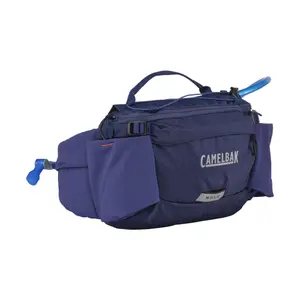
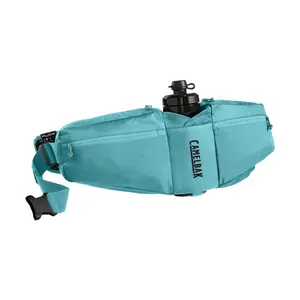
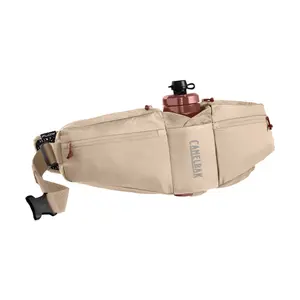
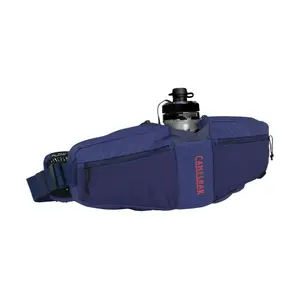
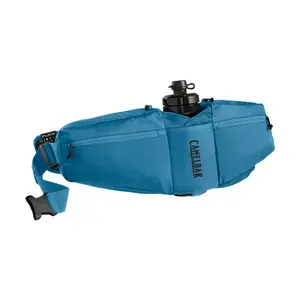
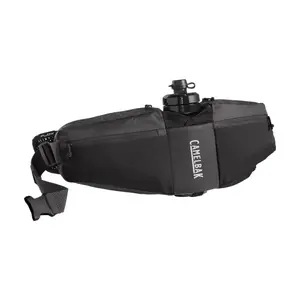


The Hydration Packs page brings together vests and hydration packs for trail running, hiking fast, and mountain races, from Osprey, Dynafit, Silva, Oxsitis, or Fitletic. Soft flasks on the chest or a water reservoir in the back, volumes ranging from five to twelve litres, women's specific versions: everything you need to drink on the go and carry the gear required by organisers.
Drink on the go and carry the essentials, with nothing bouncing around.
Body-hugging vest or back storage bag
The hydration vest is worn like a fitted garment: its wide straps descend over the chest and distribute the load, so it barely moves while running. The Osprey Duro and its female counterpart Dyna, the Silva Strive Fly, or the Fitletic Hydra belong to this category, designed for trail running. The models presented as hydration packs, such as the Dynafit Alpine or the Oxsitis Spectre, generally offer considerably more storage in the back, suitable for quick hikes and long days in the mountains. Osprey, founded in 1974 in Santa Cruz, California, initially made custom bags.
Soft flasks, water bladder, or both
Soft flasks, ranging from 350 to 500 millilitres, fit into the front pockets: they can be filled in seconds at a supply station, compact as they empty, with no sloshing sound, and some come with a long straw that allows you to drink without removing them. The water bladder, tucked into a back compartment, usually holds one and a half to two litres and is drunk through a tube attached to the strap; it is ideal for long outings on your own, but fills up more slowly and doesn't show how much is left. Combining both allows you to separate water from an energy drink.
What volume based on distance and required gear
The volume of a vest is measured in litres of storage, excluding water. Five to eight litres is sufficient for outings of two to three hours and trails with frequent refills: enough space for a windbreaker, gels, and a phone. Ten to twelve litres become necessary in the mountains and for long races, where regulations mandate certain mandatory gear: waterproof jacket with hood, emergency blanket, whistle, headlamp, minimum water reserve, and sometimes gloves or trousers. The list can be found in the regulations of each event before choosing your volume.
Adjusting a vest to the torso, men's or women's version
An hydration vest is primarily chosen based on chest size, available in sizes often ranging from XS to XL, and not your usual clothing size. When well-adjusted, it hugs the back without restricting breathing: the sternal straps, adjustable in height, are positioned above and below the chest. Women's versions, like the Osprey Dyna or the Oxsitis Spectre in W version, have more curved straps that fit around the chest and lower or more side-positioned front pockets. Testing it loaded, with full flasks, reveals any friction points before the first outing.
Good deals and new arrivals
The new arrivals showcase the latest collections, the sales feature discounted items, and clearance includes end-of-line products. Items shipped within 24 hours are prepared and sent out in 24 hours.
Frequently asked questions
How much water should I carry on a trail?
Plan for about half a litre to three-quarters of a litre per hour of effort, more during hot weather, taking into account the planned refreshment points. Two flasks are sufficient for most short trails, with an additional water bladder for long solo outings.
Can I use an hydration vest for hiking?
Yes, it works very well for quick hikes or light day trips, with water always at hand. For a picnic outing with warm clothes, a model of ten to twelve litres offers enough space.
How do you clean a water bladder?
Rinse it with warm water after each outing, especially if you've used a sweet drink, then leave it open to dry. Once a month, a mixture of water and baking soda or a cleaning tablet eliminates residues, odours, and the taste of plastic.
Does an hydration vest make your back hot?
A little, as it covers the upper back and chest, especially with a water bladder. Mesh models with ventilated straps reduce this feeling: in the height of summer, front flasks heat less than a bladder on the back.
How can I stop flasks from bouncing while running?
Adjust the sternal straps so that the vest fits snugly against the torso, and choose front pockets that fit the size of the flasks. A partially empty flask compresses: fold it down or suck out the air so that it doesn't jiggle.






