
Slippers for babies and kids

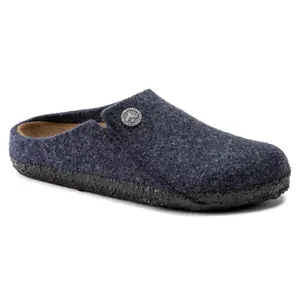
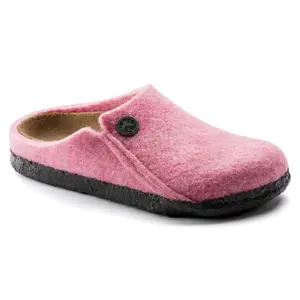
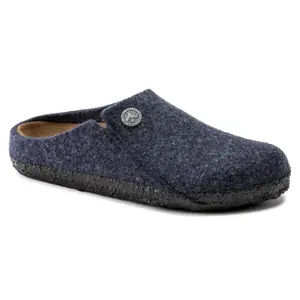


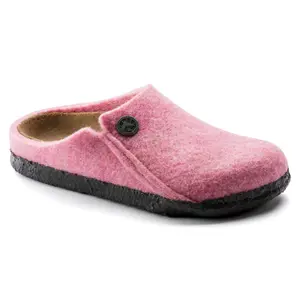

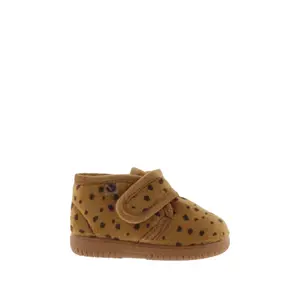


The Junior Slippers page features slippers for babies and children, from their first steps to school: flexible models that allow little feet to move, wool slippers for winter, non-slip soles for running without slipping, and fun animal patterns for the little ones. A selection from Les Pas Petits, Cienta, Victoria, Mikk-Line, and Barts.
Keeping feet warm at home, and free to learn to walk.
A soft slipper for learning to walk
To learn to walk, a child's foot must feel the ground: the muscles strengthen, the toes grip, and balance is built step by step. At home, walking barefoot or in a slipper with a flexible sole, which bends easily in the hand, reproduces these conditions while keeping the feet warm. Les Pas Petits, a French brand, specifically designs soft, non-slip slippers, machine washable, that follow the foot rather than guide it. An elastic band or a fitted collar at the ankle prevents the slipper from slipping off when the baby crawls or pulls themselves up against a piece of furniture.
Merino wool, plush or textile: which material
Slippers made of wool, like those from Mikk-Line in brushed merino, keep feet warm in a cool room while allowing the skin to breathe, without itching thanks to the fineness of the fibre. Cienta, a Spanish family business, makes its slippers near La Rioja, with wool models such as the Lana Sajona and others in plush featuring bear or panda heads. The textile slippers from the Dutch brand Barts, like the Noa, focus on softness and easy care. For the child who runs from room to room, a non-slip rubber sole remains the best defence against slips on the tiles.
The Victoria patterns and the right size
Victoria, a Spanish brand founded in 1915 in La Rioja and known for its canvas shoes, offers its Ojalá slippers in animal prints and cute little creatures, making putting shoes on more fun. For sizing, measure the foot standing, from heel to the longest toe, and add about one centimetre: beyond that, the child may trip, and below that, the toes curl up. Before the age of three, the foot grows so quickly that checking the size every two or three months is essential. Textile slippers can go in the washing machine at 30 degrees on a delicate cycle, while wool ones should be hand-washed in lukewarm water and dried flat.
The rest of the junior wardrobe
The junior wardrobe is completed with socks, t-shirts, sweatshirts and jumpers, jackets and coats, trousers and jeans, skirts and shorts, dresses, on the junior page.
New arrivals and good deals
The new arrivals showcase the latest releases, the promotions feature discounted items, and items shipped within 24 hours are prepared and sent out in 24 hours. The good deals, the clearance, and the sales complete the offering.
Frequently asked questions
What slippers for nursery or kindergarten?
Choose a pair that the child can put on themselves, with elastic or Velcro, featuring a non-slip sole for the classroom. Write their name inside, as pairs can quickly look alike in the cloakroom.
Do you need a rigid slipper for first steps?
No, a soft slipper is better: the foot needs to bend and feel the ground to strengthen. A firmer sole is only useful outdoors, once the child walks confidently.
Can wool slippers be machine washed?
It's better to wash them by hand, in lukewarm water with wool detergent, without scrubbing or twisting. Let them dry flat, away from the radiator, so they keep their shape and softness.
What slippers for a child who sweats from their feet?
Merino wool and natural materials regulate moisture better than thick synthetics. Alternate between two pairs to let each dry, and wash them regularly to avoid odours.
From when can you put slippers on a baby?
Before walking, very soft slippers are enough to keep the feet warm. As soon as the child stands up, a model with a thin, non-slip sole helps them balance on wood or tiles.






