
Basketball balls


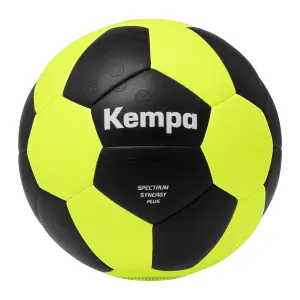


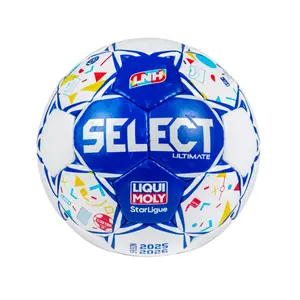


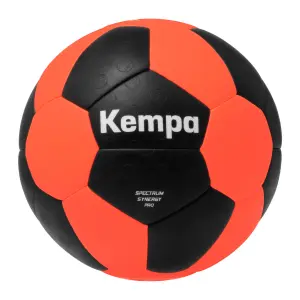
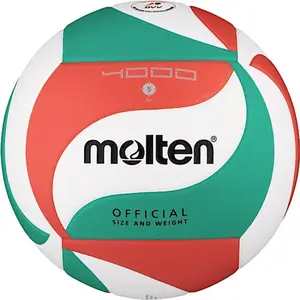





Our selection of basketballs brings together the top brands from courts and playgrounds, Spalding, Molten, Wilson, Nike, Peak, and Tremblay, in size five for mini basketball, six for women and younger players, seven for men, along with the three-point basketball. Composite leather for indoors, rubber for the asphalt: every court and every age group can find their fit.
The right ball for every court and every age.
From Naismith's football to the orange ball
When James Naismith invented basketball in 1891 in Springfield, his students played with a football. The first ball designed for this sport was made in 1894 by Spalding, from stitched brown leather with laces. The orange colour only came much later, at the request of Tony Hinkle, coach of Butler University, who found the brown ball hard to follow; it made its debut during the NCAA championships in 1958.
The modern ball consists of a rubber bladder, a reinforced shell made of threads, and a cover with pebbled texture featuring black grooves. Molten provides the official ball for FIBA competitions, and Wilson has been supplying the NBA ball since 2021.
By brand
Basketballs are available by brand:
Basketball is also available in shoes, clothing, NBA, baskets, equipment, on the basketball page.
What size basketball according to age and category
In France, the size five is used for the U7, U9, and U11 mini-basket categories. The size six, with a circumference of about seventy-three centimetres, is for boys U13 and all female categories from U13 up to seniors. The size seven, with a circumference of seventy-five to seventy-eight centimetres and weighing between five hundred sixty-seven to six hundred fifty grams, is reserved for boys from U15 and for men.
The three-on-three basketball ball is an exception: it has the circumference of a size six and the weight of a size seven, a compromise made for this physically demanding half-court game. The Wilson FIBA 3x3 is available in a children's version.
Indoor or outdoor, and pressure: choosing and inflating your ball
The cover determines the playing surface. Composite leather, soft and slightly sticky, offers the best grip on hardwood but wears out quickly on asphalt; the rubber, which is tougher, withstands playgrounds and schoolyards. Balls marked for indoor or outdoor use are a compromise for those who play everywhere. High-density foam balls, like the Tremblay one, are lighter and quieter, suitable for kids and indoor play.
For pressure, the FIBA rule serves as a guideline: dropped from a height of one meter eighty, a well-inflated ball should bounce between one meter twenty and one meter forty, measured at the top of the ball. The recommended value is printed near the valve.
Good deals
Good bargains can also be found in good deals, promotions, clearance, sales, and Black Friday. The new arrivals showcase the latest collections, and items shipped within 24 hours are prepared and dispatched in 24 hours. The year's key events follow a consistent order: Black Friday in late autumn, the holiday season, the winter sales, the French Days in spring, then the summer sales and back to school.
Frequently asked questions
How to deflate a basketball?
Moisten the inflating needle, insert it straight into the valve, and gently press on the ball: air will escape through the needle. Then check the bounce, as a ball that's too soft skews the dribble and tires the wrist.
Why can a basketball burst?
Over-inflation, the heat from a car trunk in summer, or a cover worn out by asphalt weakens the bladder and internal seams. Inflate to the value indicated near the valve and store the ball out of direct sunlight.
Is a silent ball suitable for training in an apartment?
Yes, a foam ball allows you to practice dribbling and ball handling without disturbing neighbours. Its bounce is more soft and doesn't replace a real ball for shooting, but it helps maintain coordination of both hands.
How to recognise an approved competition ball?
Balls approved by FIBA carry the mention of this approval on the cover. They have passed tests for weight, circumference, bounce, and sphericity, and are used in official competitions.
How long does a basketball last?
It all depends on the surface: a composite leather ball meant for indoors retains its feel for several years, while asphalt wears down its pebbles in a few months. When the grip becomes slippery despite cleaning, it’s time to replace it.






