
Basketballs Mikasa
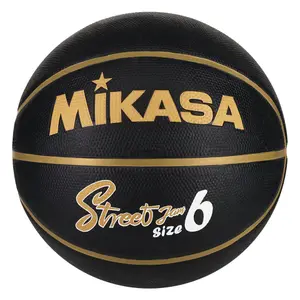
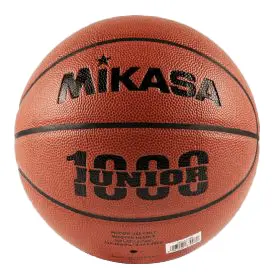
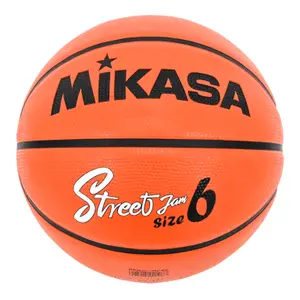
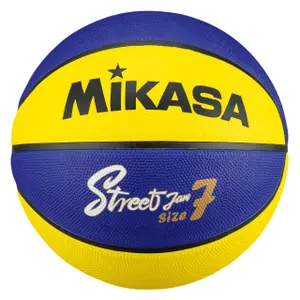
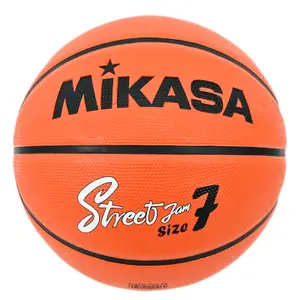
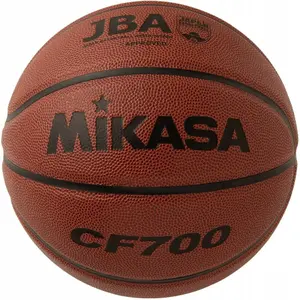
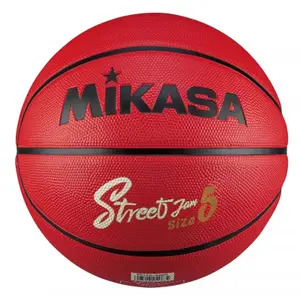
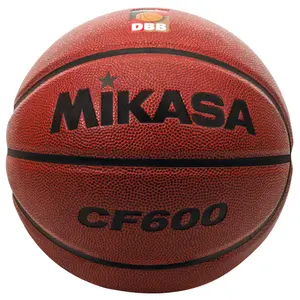
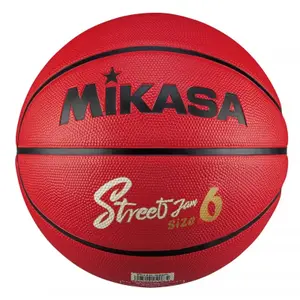
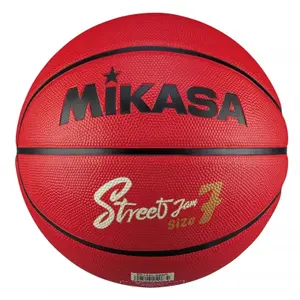
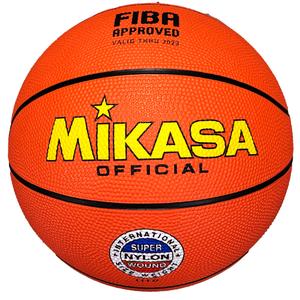
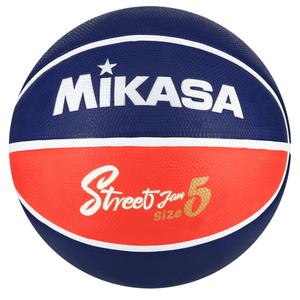
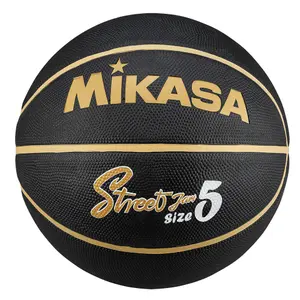
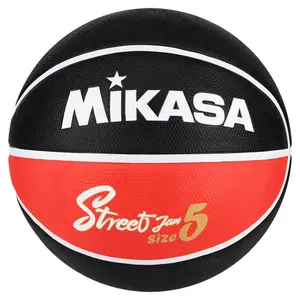
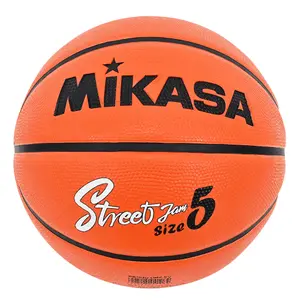
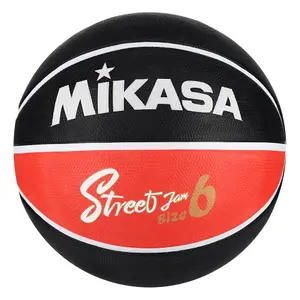
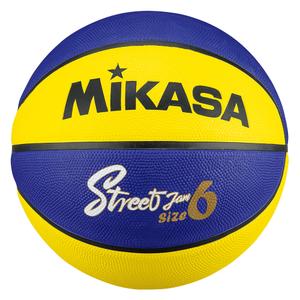
Our Mikasa page is dedicated to basketballs from the Japanese brand founded in Hiroshima in 1917, partner of the International Basketball Federation: natural leather, synthetic leather, or rubber balls, several of which are FIBA approved, along with our advice on choosing the material and size according to age, level, and court.
The Japanese expertise in ball making.
Mikasa, a balloon manufacturer born in Hiroshima
Mikasa was established on 1st May 1917 in Hiroshima under the name of Hiroshima Gomu, literally the rubber of Hiroshima, founded by Masutaro Masuda. The company first worked with rubber in all its forms before adopting the name Mikasa for its sports items in 1935. Now one of the world's leading specialists in balls, it is among the equipment partners of FIBA, which approves several of its basketballs for competition. Its expertise lies in the consistency of manufacturing: a perfectly round sphere, a bladder that keeps its pressure, and identical bounce from one ball to another, so that every dribble offers the same feel.
Other brands
Basketballs also come in different brands:
All the balls are gathered on the balls page.
Natural leather, composite or rubber: three types of ball materials
Mikasa offers its basketballs in three materials, each for a different use. Natural leather, reserved for high-level indoor play, offers the finest feel but requires a break-in period and is sensitive to humidity. Synthetic leather, or composite, is the standard for clubs: it grips right out of the box, wears better, and maintains its grip even when hands are sweaty. Rubber, which is harder and heavier to the touch, withstands asphalt and outdoor courts. FIBA approves Mikasa balls in these three materials, from the leather model for official matches to the rubber ball for training and local courts.
Size 5, 6 or 7: the right ball for the age
The size of the ball follows the category of play. The size 7, the largest, is used by men and boys from around fifteen years old: according to FIBA regulations, it measures about seventy-five to seventy-eight centimetres in circumference and weighs five hundred sixty-seven to six hundred fifty grams. The size 6, slightly smaller and lighter, is used for women and teenagers. The size 5 is suitable for children up to around eleven years old, for whom a ball that’s too heavy can throw off their shooting technique. Choosing the right size allows the child to master one-handed dribbling and shoot without straining their shoulders.
Good deals
Good deals are also found in good deals, promotions, clearance, sales, Black Friday. The new arrivals showcase the latest collections, and items shipped in 24h are prepared and dispatched within 24 hours. The major events of the year follow a stable order: Black Friday in late autumn, the holiday season, winter sales, French Days in spring, followed by summer sales and back-to-school.
Frequently asked questions
How do you recognize a FIBA approved basketball?
An approved ball bears the logo and the mention of the international federation, printed near the brand. This approval guarantees that its size, weight and bounce comply with the regulations for official competitions.
Should a natural leather basketball be broken in?
Yes, a natural leather ball is quite slippery when new. It gains grip after several dribble and pass sessions, as the surface wears in. It’s meant for indoor use, as humidity and asphalt can damage it quickly.
How do you check if a basketball is properly inflated?
The regulations state that a ball dropped from one metre eighty should bounce between one metre twenty and one metre forty. In the absence of a gauge, this simple test helps check the pressure before a session.
Why does a basketball lose its grip?
Dust from the floor and sweat settle into the grain of the surface and make it slippery. A wipe with a damp sponge, without harsh soap, followed by air drying largely restores its grip.
How should a basketball be stored to preserve it?
Store it in a temperate place, away from sunlight and frost, which harden the material. Avoid sitting on it or leaving it squashed at the bottom of a bag, as this deforms the bladder and causes the bounce to become irregular.






