
MTB shoes, automatic and flat
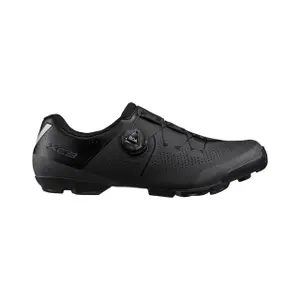
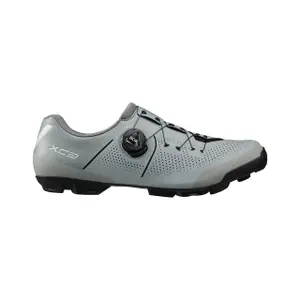


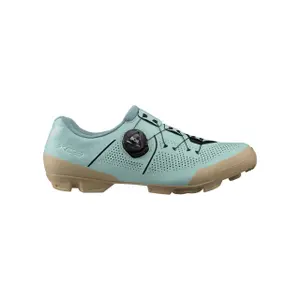


Our selection of MTB Shoes includes the Northwave Magma, Hammer, Corsair, Celsius and Himalaya, the Shimano for cross-country and trail, the Quoc GT with laces and the Giro Cylinder, along with our tips on choosing sole stiffness, SPD cleats, and protection level depending on the activity, from cross-country to enduro, and according to the season.
Pedal, walk, push: the shoe does it all.
Sole stiffness and biking
For mountain biking, the shoe needs to pedal and walk. A rigid sole transfers the power to the pedal without twisting, while a softer front sole that is well grooved helps to push the bike up a slope or to navigate a section on foot. Shimano rates the stiffness of its shoes on a scale from one to twelve: the cross-country models in the XC range aim for efficient pedalling, while those in the ET range, designed for trail and electric mountain biking, prioritize walking comfort. The right balance depends on how much time is spent walking on the trails.
The rest of the outfit
Mountain biking gear also includes:
All the equipment can be found on the MTB page.
SPD Cleats: Getting started with clipless
The SPD system, launched by Shimano in 1990, fixes a cleat with two screws under the shoe, tucked into a recess in the sole to allow for walking. To start, the silver multi-directional cleat releases by turning the heel as well as pulling the foot upwards, while the standard black cleat only releases when rotated outwards. One sets the spring tension to minimum and practices while stopped, leaning against a wall. The Shimano ET range or the Quoc GT with laces, versatile and comfortable, are good companions for these beginnings.
Enduro and winter: protection and waterproofing
In enduro, the shoe protects as much as it pedals: the Northwave Hammer and Corsair, like the Giro Cylinder, designed for trail and enduro, reinforce the toe and ankle against rocks and crank arms, with a slightly softer sole to maintain contact with the pedal. In winter, the Northwave Celsius boots, with Gore-Tex membrane, and Himalaya rise above the ankle and keep the foot dry in puddles and mud. After a wet outing, rinse with clear water and let dry in the air, away from a heater which hardens the upper and separates the sole.
Good deals
Good deals can also be found in good plans, promotions, clearance, sales, Black Friday. The new arrivals showcase the latest collections, and items shipped within 24h are prepared and dispatched within 24 hours. The key times of the year follow a stable order: Black Friday at the end of autumn, the year-end holidays, the winter sales, the French Days in spring, followed by the summer sales and the back-to-school season.
Frequently Asked Questions
Clipping shoes: automatic or flat: what to choose?
Automatic shoes, with SPD cleats, connect the foot to the pedal and make pedalling more efficient, both for cross-country and sport hiking. Flat shoes, with a very grippy sole, allow for foot placement at any moment, which is appreciated during descents and when learning to ride.
How to clip in and out of mountain bike shoes?
Engage the front of the cleat into the pedal and then push down until you hear a click. To release, turn the heel outwards firmly; anticipating this move before each stop avoids the classic beginner's fall when stopping.
How to choose the right size for mountain bike shoes?
Measure your foot at the end of the day and leave about half a centimetre in front of the toes, so as not to compress the foot during long rides. For winter, consider thicker warm socks.
Where to place the cleats under a mountain bike shoe?
Center the cleat under the ball of the big toe, or slightly back for more stability when descending. Orient it according to the foot's natural angle, then tighten both screws to the specified torque and check them after the first rides.
What shoes for an electric mountain bike?
Trail-oriented models are particularly suitable: the assistance allows for longer rides, but carries remain frequent in technical sections. A slightly softer sole and a protective upper provide comfort and safety.






