
Road Helmets, how to choose your helmet


Our Road Helmets page helps you choose a road cycling helmet: EN 1078 standard, protection against impact, weight, ventilation or aerodynamic profile, head size and adjustments. Tips for Sunday rides as well as for competitions, for both men and women, from small to large sizes.
Protection, lightness and freshness on the road.
In-mold shell, EN 1078 and oblique impacts
Every bike helmet sold in Europe must be certified EN 1078, a standard that checks shock absorption, strap strength, and field of vision. On a road helmet, a thin polycarbonate shell is molded directly onto the expanded polystyrene using the in-mold technique, which lightens the helmet while making it more resistant. During a fall, it's the crushing of the foam that dissipates the energy. The MIPS system, developed from research conducted in Stockholm since 1996 by neurosurgeon Hans von Holst and engineer Peter Halldin, adds a slippery layer that limits the rotation transferred to the brain during an oblique impact.
Road equipment
Road equipment also comes in different types:
All the gear is gathered on the road page.
Ventilated or aero: the right profile for the use
A highly ventilated road helmet, featuring large vents connected by internal channels, expels heat in the cols and during the height of summer; it typically weighs between two hundred and three hundred grams. The aero helmet, with a more closed and smoother shell, reduces drag on flat surfaces, in breaks, and during fast finishes, at the cost of a little more heat. Many models seek a compromise, with air intakes at the front and exhausts at the back. In terms of color, a white or light shell reflects the sun and is more noticeable in traffic than a black shell.
Head size, dial and straps properly adjusted
The size of a helmet is measured in centimeters of head circumference: about fifty-one to fifty-five for an S, fifty-five to fifty-nine for an M, fifty-nine to sixty-two for an L, with larger sizes going up to sixty-three or sixty-four depending on the brand. Measure with a tape measure, one finger above the eyebrows. The dials at the back then adjust the fit, and the cradle is often height-adjustable. The straps form a V just below each ear, the chin strap allows for one finger under the chin, and the helmet covers the forehead without tilting back.
Good deals
Good deals can also be found in the good deals, promotions, clearance, sales, Black Friday. The new arrivals showcase the latest collections, and items shipped in 24h are prepared and dispatched within 24 hours. The highlight of the year follows a stable order: Black Friday at the end of autumn, the end-of-year holidays, the winter sales, the French Days in spring, followed by the summer sales and back-to-school.
Frequently asked questions
Does a women's road helmet differ from a men's model?
The protection is identical, as both meet the same standard. Women’s models mainly offer smaller sizes, dedicated colors, and sometimes a rear adjustment designed to allow for a ponytail.
Can a road helmet be used for mountain biking?
For occasional use on an easy path, yes, as it meets the same standard. However, it has neither a visor nor reinforced protection for the back of the neck and temples: for regular off-road practice, a dedicated helmet is preferable.
Should you replace your helmet after a fall?
Yes, after any impact, even without visible cracks, because the crushed polystyrene does not return to its shape and will not absorb the next impact. Outside of an accident, it should be replaced every few years, as the foam and straps age in the sunlight and sweat.
How to maintain a bike helmet?
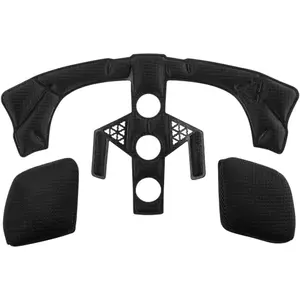
Clean it with warm soapy water, without solvent or harsh products that could damage the shell and foam. The inner foams can be removed and washed by hand, and the helmet should air dry, away from radiators or cars in the sun.
Is wearing a helmet mandatory when cycling?
In France, it has been mandatory since 2017 for children under twelve years old, whether they are pedaling or being transported. For adults, it is not required on the road, but it is required in races and most cycling events.






