
Road Bike Shoe Covers


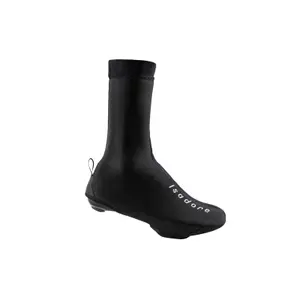


This page brings together road cycling shoe covers for all year round: winter models BBB ArcticDuty and Freeze, Craft ADV Subz, Shimano S-Phyre and Silvini Taro, rain protection Sealskinz, Giro Proof, Agu Reflection, Mottez and Shimano Dual, the Velotoze latex, the Giro Knit mesh and summer versions in lycra GES and Newton. Each is chosen according to temperature, rain, and shoe size.
Keep your feet warm and dry, ride after ride.
Neoprene and Lining: Winter Shoe Covers
In winter, your feet are the first to suffer: stationary on the pedals, they endure the wind created by descents and the cold air that seeps in through the vents of road shoes. Winter shoe covers use a few millimetres of neoprene or windproof fleece-lined fabric. The BBB ArcticDuty and the Craft ADV Subz, with names that suggest extreme cold, are designed for the harshest outings, while the BBB Freeze and the Silvini Taro are for those chilly mornings. The Shimano S-Phyre, in a high version, ascends over the lower calf to close the gap with your tights, where the cold air seeps in most.
The Rest of the Outfit
Road equipment also comes in:
All the gear can be found on the road page.
Rain, Latex and Night Visibility
In the rain, a shoe cover must stop the water sprayed by the front wheel, which mostly hits the top of your foot. The waterproof models Sealskinz Thetford, Giro Proof, Agu Reflection, Mottez, and Shimano Dual combine waterproof fabric with a protected zip. The Velotoze, a brand launched in 2014, takes a different approach: a fine latex sheath without a zip, which hugs the shoe like a second skin, is waterproof and very aerodynamic, but must be put on carefully to avoid tearing. For riding at dusk, the Endura Luminite and the Agu Reflection feature reflective elements: placed on feet in constant motion, they catch the eye of motorists.
Summer and Mid-Season Shoe Covers
Shoe covers aren't just for the cold. In summer, models made of lycra such as the GES Summer or the Newton pair smooth out the shoe's surface, with its buckles and dials, to improve aerodynamics during a time trial or a fast ride; they also protect the upper from dust. In mid-season, the Giro Knit, made of mesh, blocks the cool morning wind without getting too warm in the afternoon. Whatever the model, the opening under the sole should leave the cleat and heel free, allowing for easy clipping and a few steps without wearing the fabric against the ground.
Good Deals
Good deals can also be found in the good deals, promotions, clearance, sales, and Black Friday. The new arrivals showcase the latest collections, and items shipped within 24 hours are prepared and dispatched in 24 hours. The highlights of the year follow a stable order: the Black Friday at the end of autumn, the holiday season, the winter sales, the French Days in spring, followed by the summer sales and back-to-school period.
Frequently Asked Questions
What size of shoe covers should I choose?
You should refer to the manufacturer's size chart based on your bike shoe size, considering the volume of the buckles or dials. If they're too tight, the shoe covers pull on the seams and tear; if they're too loose, they float and let air in.
Do I need shoe covers when it's ten degrees?
At around ten degrees, a mid-season mesh model or a lightweight windproof shoe cover is enough to keep your toes warm without overheating. Thick neoprene is reserved for lower temperatures when the cold becomes uncomfortable after an hour of riding.
How do I put on latex shoe covers?
You turn the sheath inside out at the ankle, put on your shoes, then carefully roll it over to the tip without pulling with your nails. To take it off, roll it down in the same way and rinse it in clear water after a muddy ride.
Do shoe covers keep feet dry on a long ride?
They stop the most of the splashes, but under continuous rain for several hours, water often ends up trickling down your leg. Tucking the tights over the top of the shoe covers limits these infiltrations from above.
How do I dry my shoe covers after the rain?
Turn them inside out and let them air dry, away from a radiator, as its heat hardens the neoprene and peels off the reflective strips. After that, store them flat with the zip open, so the fabric doesn't retain a marked crease.






