
MTB inner tubes
Starting at £250.14
£157.52
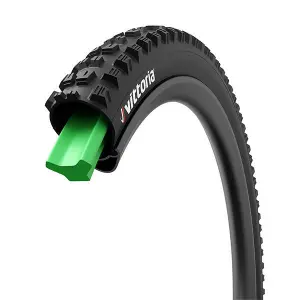
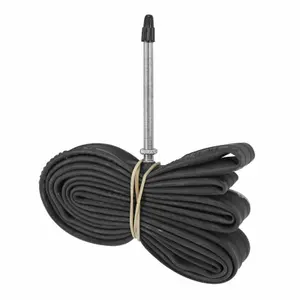
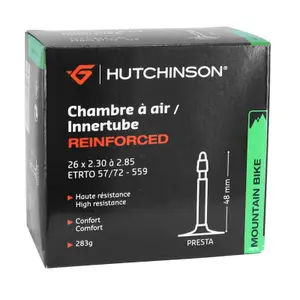
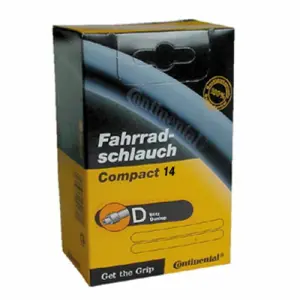
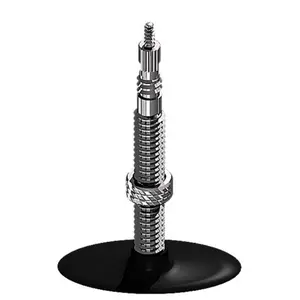
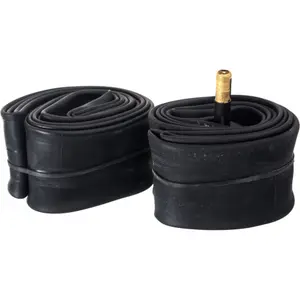
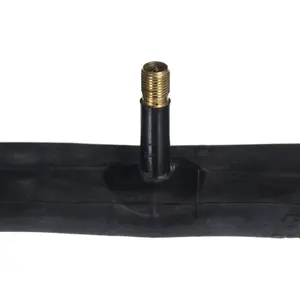
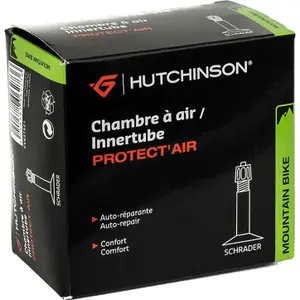
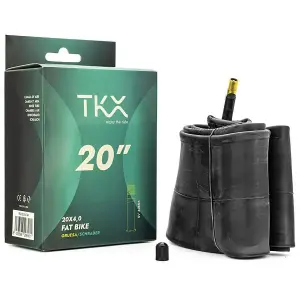
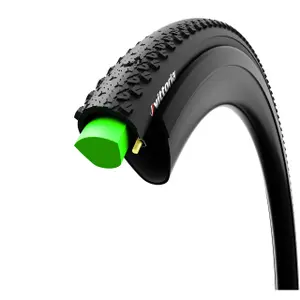
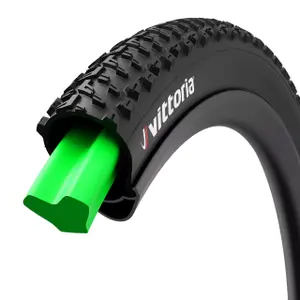
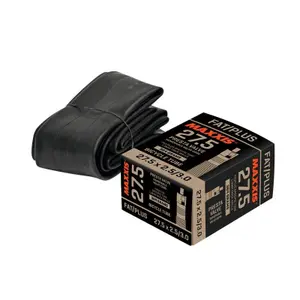
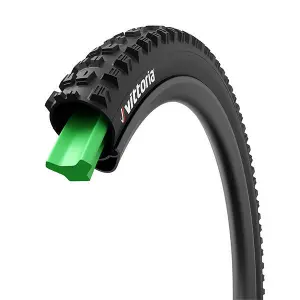
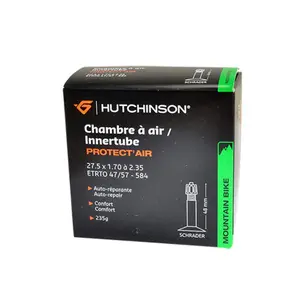
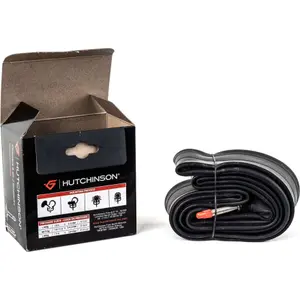
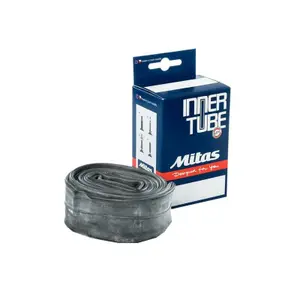
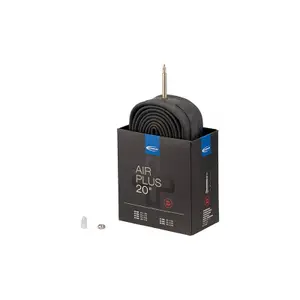
Our selection of Inner Tubes includes the Schwalbe Air Plus and Freeride MTB inner tubes, reinforced Hutchinson Koloss and Protect'air, Maxxis Welter Weight and Fat Plus, Continental, Pirelli Cinturato, puncture-resistant tubes from Slime, Mitas and V Bike, with Presta, Schrader or Dunlop valves.
The right tube, the right valve.
The right size
A tube is chosen based on the diameter of the wheel and the width of the tyre: twenty-six, twenty-seven and a half, or twenty-nine inches, with a range of widths, for example from two point zero to two point four inches. These details can be checked on the sidewall of the tyre. A tube that is too narrow stretches and weakens, while a tube that is too wide can create folds that lead to punctures.
The rest of the wheel
MTB wheels and tyres also come in:
The whole universe is gathered on the wheels and tyres page.
Three valves
The Presta valve, which is thin and has a nut, is used on most MTB and high-performance road bikes. The Schrader valve, which is wider and similar to car valves, can be inflated at a petrol station. The Dunlop valve, or classic bike valve, is mainly found on city bikes. The diameter of the valve must match the hole in the rim, otherwise the valve may bend or tear.
Reinforced or puncture-resistant
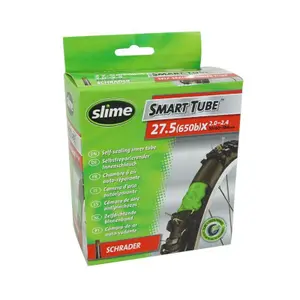
Reinforced tubes are thicker, like the Hutchinson Koloss or the Schwalbe Air Plus and Freeride, and are better at resisting pinch flats in enduro and downhill. Slime tubes contain a preventive liquid that instantly seals small punctures, such as those from thorns. Lightweight tubes, like the Maxxis Welter Weight, are suitable for cross-country. It's always a good idea to carry a spare tube.
Good deals
Great deals can also be found in good deals, promotions, clearance, sales, and Black Friday. The new arrivals showcase the latest collections, and items shipped in 24h are prepared and dispatched within 24 hours. The key events of the year follow a consistent order: Black Friday at the end of autumn, the year-end holidays, the winter sales, the French Days in spring, followed by summer sales and back-to-school.
Frequently asked questions
How do you read the size of a MTB tube?
You check the dimensions printed on the side of the tyre, such as twenty-nine by two point three. The tube must cover this diameter and a range of widths that include that of the tyre, for example from two point zero to two point four inches.
Presta, Schrader or Dunlop: which valve to choose?
The valve must match the hole in the rim. The Presta, which is fine, is used on most modern MTBs; the Schrader, similar to a car valve, can be inflated at a petrol station; the Dunlop is mainly found on city bikes.
Is a puncture-resistant tube effective in MTB?
Puncture prevention tubes, like those from Slime, automatically seal small punctures caused by thorns and flints. However, they do not protect against clean cuts or pinch flats, which is why a reinforced tube is beneficial for downhill.
How do you change the rear tube of an MTB?
You shift to the smallest cog, open the axle and remove the wheel. You then unseat the tyre with a tyre lever, remove the thorn causing the issue, and then reinstall a slightly inflated tube to avoid pinching it.
Lightweight or reinforced tube: which is for which riding style?
The lightweight tube, like the Maxxis Welter Weight, is suitable for cross-country, where every gram counts. The reinforced tube, like the Schwalbe Freeride or Hutchinson Koloss, is better at resisting pinch flats in enduro and downhill.






