
MTB Wheels, from XC to downhill


Starting at £132.39
£116.57


Starting at £52.20
£49.35


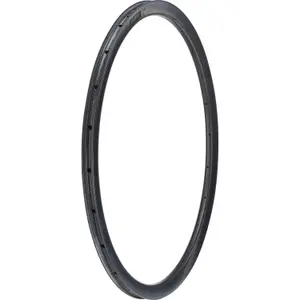


Our page MTB Wheels brings together our tips for choosing wheels: diameter, twenty-six, twenty-seven and a half or twenty-nine inches, internal rim width, Boost axle standards, freehub body, tubeless setup, and durability, from cross-country to downhill.
Wheels suited to each discipline.
From twenty-six to twenty-nine inches
MTB has long used twenty-six inches, before the arrival of twenty-seven and a half and then twenty-nine inches. The larger twenty-nine-inch wheels clear obstacles better, maintain speed and excel in cross-country and trail. The twenty-seven and a half, more agile and responsive, is still popular in enduro, downhill and with shorter riders, especially when using a mullet setup at the back.
The rest of the wheel
MTB wheels and tyres also come in:
The whole universe is gathered on the wheels and tyres page.
Rim, axle and freehub
The internal width of the rim is chosen according to the tyres: around twenty-five millimetres for cross-country, thirty millimetres for trail and enduro, and more for very wide tyres. Check the axle standard of your frame and fork, especially the Boost, which is wider and stiffens the wheel, and the freehub, compatible with your cassette: Shimano HG or Micro Spline, SRAM XD.
Low pressure and robustness
The tubeless setup, without an inner tube and with a sealant, has become the norm in MTB: it allows riding at lower pressure for better grip and comfort, while reducing pinch flats. Stronger wheels are chosen for enduro and downhill, and lighter ones for cross-country. Regularly check the wheel tension and bearing play.
Good deals
Good bargains can also be found in good deals, promotions, clearance, sales, Black Friday. The new arrivals showcase the latest collections, and items shipped in 24h are prepared and dispatched within 24 hours. The major events of the year follow a stable order: Black Friday at the end of autumn, the holiday season, winter sales, the French Days in spring, then the summer sales and back to school.
Frequently asked questions
Twenty-seven and a half or twenty-nine inches: which diameter to choose?
The twenty-nine inches clear obstacles better and maintain speed, ideal for cross-country and trail. The twenty-seven and a half, more agile and responsive, is still popular in enduro, downhill and with shorter riders.
What is the Boost standard?
The Boost expands the hub for stiffer wheels laterally and more space for wide tyres. Check compatibility with your frame and fork before purchasing.
Why switch to tubeless for your MTB wheels?
Without an inner tube, you can ride at lower pressure for better grip and comfort, without the risk of pinch flats. The sealant prevents most small punctures.
What internal rim width to choose?
A wider rim better supports wide tyres at low pressure and stabilises their profile in corners. Adjust the internal width to the size of your tyres and your discipline.
What is the freehub?
It’s the part of the rear hub that receives the cassette. There are several standards depending on the drivetrains: check compatibility with your group before buying a wheel.






