
Bike grips and handlebar coverings
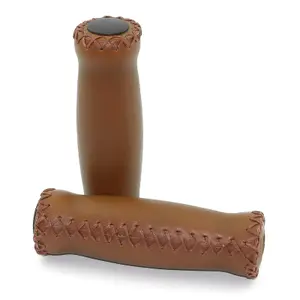
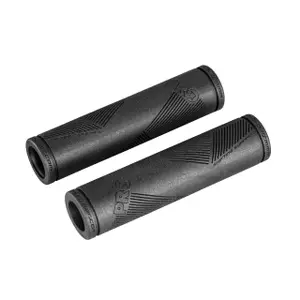
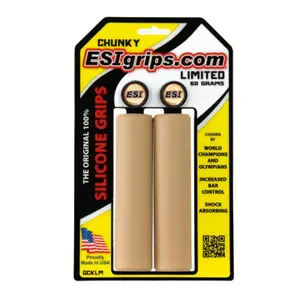
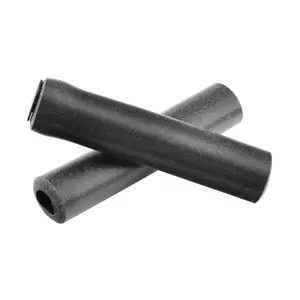
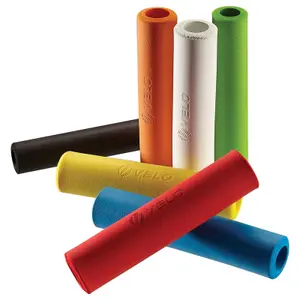
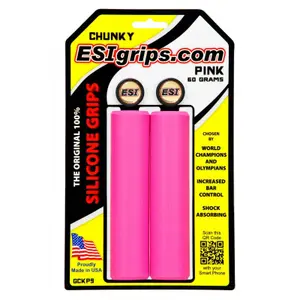
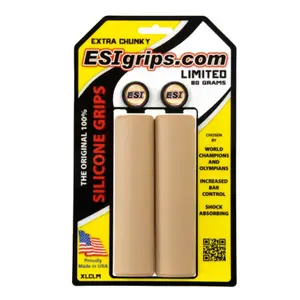
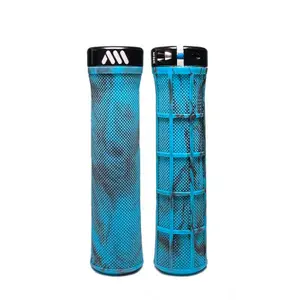
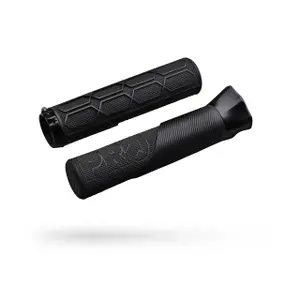
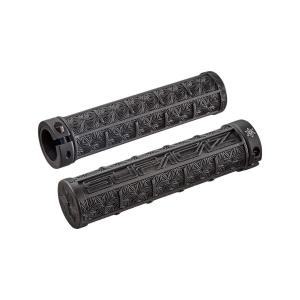
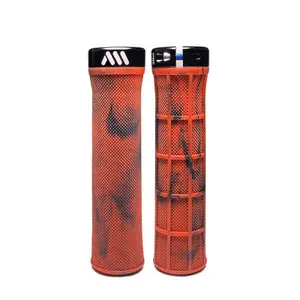
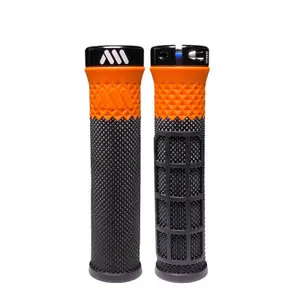
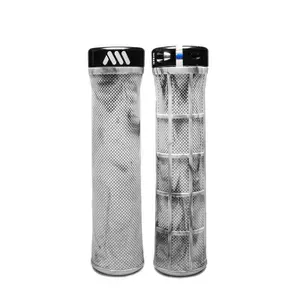
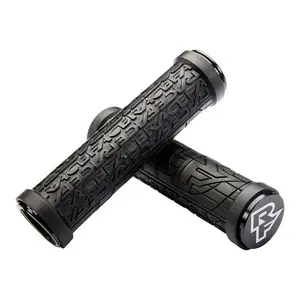
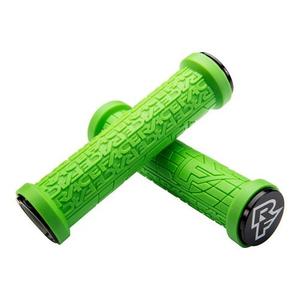
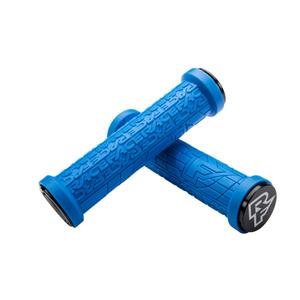
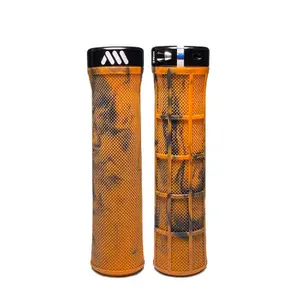
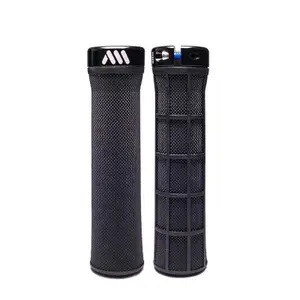
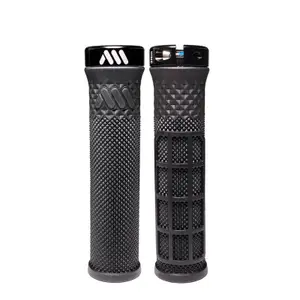
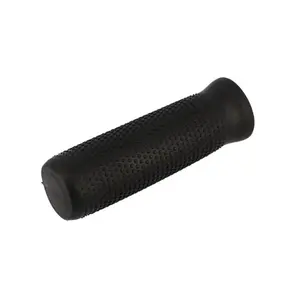
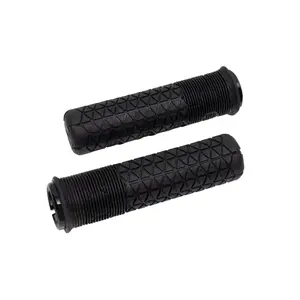
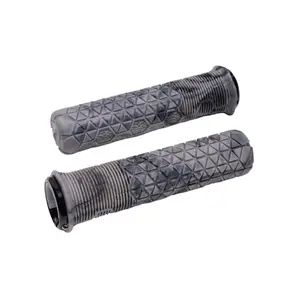
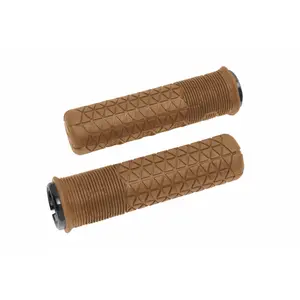
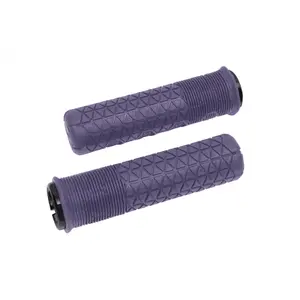
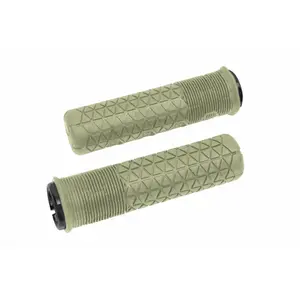
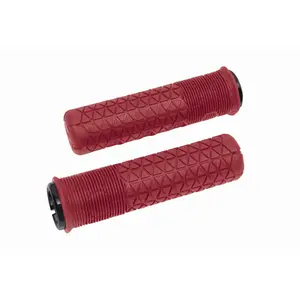
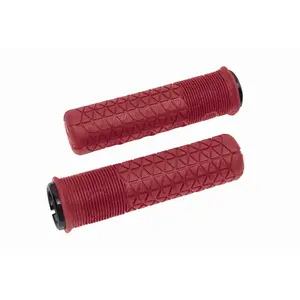
Our selection of Bike Grips brings together silicone handlebar coverings VELO, designed for electric bikes, and the Pro Slide-on grip, along with our tips for choosing the material, diameter, and fixing method based on your riding style and hand size, then fitting and replacing your grips without damaging them.
Comfort in the palms of your hands.
Silicone covers VELO for electric bikes
The VELO covers dress the grips with a layer of soft silicone: the touch becomes softer and adds extra cushioning to that of the grip. On an electric bike, which is heavier and often used for long daily journeys, vibrations from cobblestones, curbs, and worn roads travel more into the hands: the silicone layer filters them out. The material resists rain, does not retain moisture, and can be cleaned with a quick wipe. It is also suitable for a city bike or a hybrid bike with hard grips that fatigue the hands, offering a pleasant touch even in cold weather.
Other components
The components are also available in various options:
All the components are gathered on the peripheral components page.
The Pro Slide-on grip, slips on without a collar
The Pro Slide-on slips directly onto the handlebars, without collars or screws: it’s the lightest and simplest mounting method, similar to the original grips on many bikes. To fit it, dampen the inside with a bit of soapy water or alcohol, which allows the rubber to slide before evaporating and locking it in place. Push it until its end is flush with the end of the handlebars, and then let it dry for several hours before riding, otherwise it will twist under the hands during the first braking. It is less quick to remove than a collar grip, but offers a continuous touch across the entire width of the palm, without a metal ring under the fingers.
Diameter and material based on hand size and use
The diameter of a grip should be chosen based on hand size: around thirty millimetres for a small hand, which should be able to close its fingers, up to thirty-four or thirty-five for a large hand that tries to distribute the pressure. In terms of material, dense rubber lasts long and maintains its grip, silicone absorbs better but wears out quicker with gloves, and lightweight foams are suited for cross-country. Ergonomic grips with palm rests relieve urban trips and touring, while more aggressive mountain bikes prefer a round, thin, and very grippy grip to maintain control downhill.
Good deals
Good deals can also be found in good deals, promotions, clearance, sales, Black Friday. The new arrivals feature the latest collections, and the items shipped within 24h are prepared and dispatched in 24 hours. The key events of the year follow a stable order: the Black Friday at the end of autumn, the end-of-year holidays, winter sales, the French Days in spring, followed by summer sales and back-to-school.
Frequently asked questions
Which bike grip to choose for a child?
Choose a grip with a small diameter suitable for little hands, with a closed and reinforced end that covers the end of the handlebars in case of a fall. Check the diameter of the handlebars, often twenty-two point two millimeters, like on adult bikes.
How to remove a stuck grip without cutting it?
Lift the edge with a small screwdriver or a stick, then inject soapy water or compressed air under the rubber. Twist the grip in small movements: it will peel off and slide without tearing.
Do we put grips on a road bike?
No, a road bike with curved handlebars uses bar tape, which is a strip wrapped around the handlebars. Grips are used on flat handlebars: mountain bikes, hybrids, city bikes, electric bikes, and some gravel bikes with straight handlebars.
Collar grips or slip-on grips for mountain biking?
Collar grips, tightened by a screw, never turn, even in the rain or with muddy gloves: they are the safest choice for mountain biking. Slip-on grips, being lighter, are suitable for smooth rides and city bikes.
When should I change my bike grips?
When the rubber becomes smooth, cracks, or turns on the handlebars, grip decreases, and hands start to cramp. A torn grip at the end also reveals the end of the handlebars, which needs to be covered promptly to avoid injury in case of a fall.






