
Bicycle Peripheral Components
Starting at £47.94
£44.99
Starting at £64.19
£59.35
Starting at £47.94
£44.99

Starting at £47.94
£44.97

Starting at £64.19
£59.35

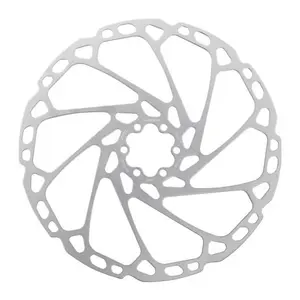
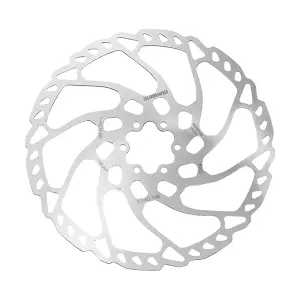
The bike components are the contact and control parts: saddles, seat posts, handlebars, stems, headsets, grips, bar tape, bells, pegs and small mounting parts. You can find brands like Chromag, XLC, V Bike, Cult, or Shotgun to adjust your position, enhance comfort, or replace a worn part, whether on the road, on a mountain bike, in the city or on a BMX.
The contact and control parts that ensure comfort and position on the bike.
Finding the right saddle for your hips
The comfort of a saddle primarily depends on its width, which should match the distance between the ischiums, the two bones you sit on. The more leaned forward the position is, like on a road bike, the narrower and firmer the saddle can be; an upright position in the city requires a wider seat. The Chromag Semenuk, featuring a central channel, relieves pressure on the perineum during long mountain biking trips.
In BMX, the Cult x Vans checkerboard-patterned saddle has a slim and low shape, with riders bringing it as close to the frame as possible to free up space for their legs during tricks.
Seat post: diameter, setback, and telescopic models
The seat post is first chosen based on its diameter, accurate to the tenth of a millimeter: 27.2, 30.9, 31.6, or 34.9 millimeters are the most common, and a post that's too thin will slip inside the frame. The setback, the offset of the saddle rail to the back, allows for adjusting the saddle's position relative to the crankset.
In mountain biking, the telescopic post lowers from a handlebar control to clear the way for descending and rises for climbing. The height is adjusted with a nearly straight leg, with the heel resting on the pedal at the bottom of its travel, without ever exceeding the minimum insertion mark engraved on the post.
Handlebar, stem, and headset: the riding position
A wide handlebar for mountain biking, such as the Chromag Fubars at 800 millimeters with a rise of 25 millimeters, stabilizes steering when descending; it's trimmed according to shoulder width. Its clamping diameter must match that of the stem. A short stem makes for responsive steering, while a longer one calms it down; the riser XLC raises the handlebar for a more upright position in the city.
The headset, which allows the fork to pivot within the frame, is chosen based on the standard of the head tube, whether straight or tapered. A headset that clunks when braking needs tightening; one that catches when turning should be replaced, like the chrome model V Bike found on city bikes.
The selection
Components are organised by part:
- Saddles.
- Seat posts.
- Handlebars.
- Stems.
- Headsets.
- Grips.
- Grips.
- Handlebar tape.
- Cable guides.
- Bells.
- Bar ends.
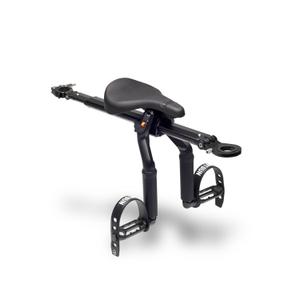
- Handlebar extensions.
- Pegs.
- Clamps.
- Spacers.
- Washers.
- Sleeves.
- Adapters.
- Accessories.
The other parts, wheels, pedaling, tyres, suspensions, tools, are on the spare parts page.
Grips, tape, bell, and pegs: the finishing touches
Grips that are screw-tightened, known as lock-on, do not rotate on the handlebars, even in the rain; foam or fine rubber grips dampen vibrations. On a road bike, the handlebar tape is wrapped from the end towards the centre, slightly stretched to avoid creases.
The bell is required on public roads in France and must be audible from fifty meters away; the vintage model Rockbros suits classic bikes. In BMX freestyle, pegs attach to the axle for resting feet or sliding on a ledge.
Frequently Asked Questions
How can you tell if your saddle is too high?
If your hips rock from side to side while pedaling, or if the tip of your foot has to reach for the pedal at the bottom of the stroke, the saddle is too high. If too low, it strains the knees; adjust it in increments of a few millimeters.
Do you need a workshop to change a headset?
Dismantling a semi-integrated headset is within the reach of an equipped amateur, but the installation of the cups in a classic headset requires a specific press. Without this tool, it’s better to have the installation done in a workshop to avoid damaging the frame.
How long does handlebar tape last?
It should be replaced as soon as it tears where the hands rest, often after a fall or several thousand kilometers. A new tape regains its cushioning and grip, which is appreciated in wet conditions.
Is a more cushioned saddle more comfortable?
Not always: over long distances, thick padding compresses and creates pressure points. A saddle of good width and moderate thickness supports the hips better; the remaining comfort comes from padded shorts.
Do pegs damage a BMX frame?
When properly mounted, no: they clamp onto the axle and rest against the frame's dropouts. However, a sufficiently long axle is needed, and regular checks of the tightness are necessary, as a loose peg can wear out the axle and dropouts.






