
Suspensions: forks and shock absorbers
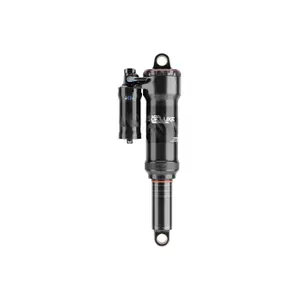
Starting at £436.91
£240.93
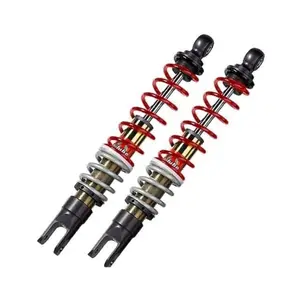
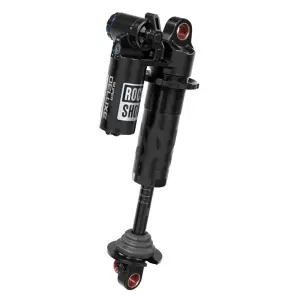
Starting at £495.28
£426.58
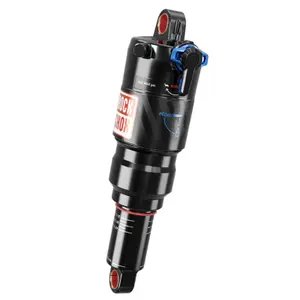

Starting at £731.99
£538.54
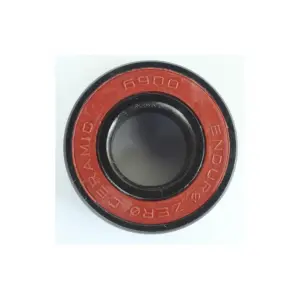
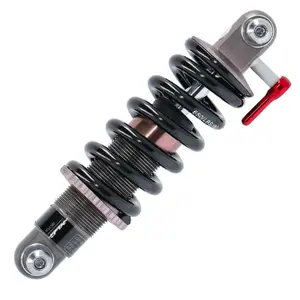
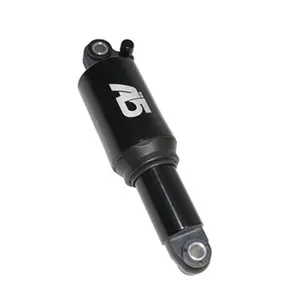
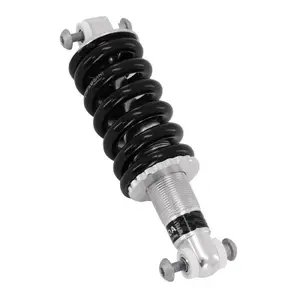
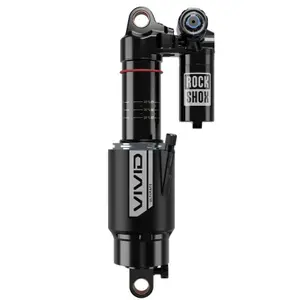
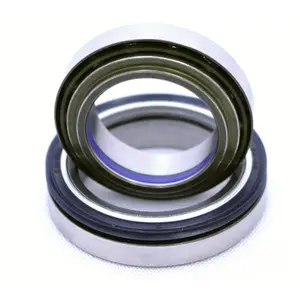
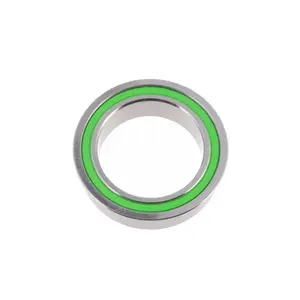
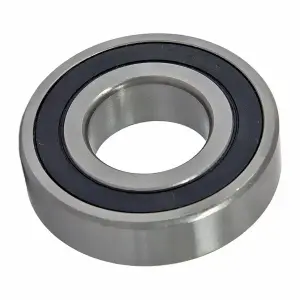
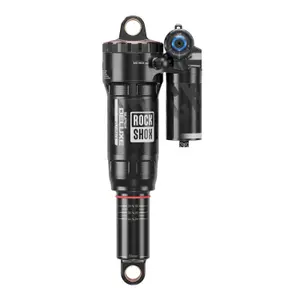
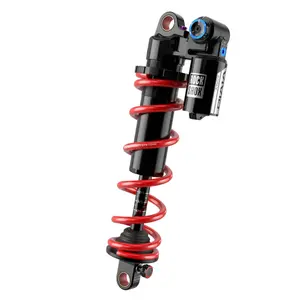
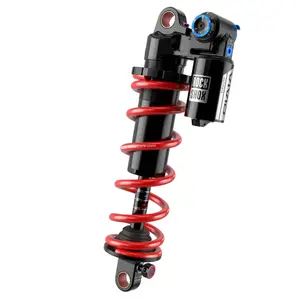
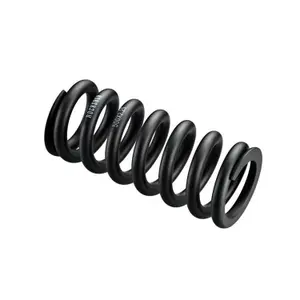


The bike suspensions page brings together suspended forks RockShox for mountain biking, rigid forks P2R for city, road or hybrid bikes, air or spring rear shocks, and pivot bearings Enduro Bearings, Black Bearing or Sun Ringlé. Each part is chosen based on the wheel diameter, frame standard, and usage, from towing paths to downhill tracks.
A well-chosen and well-tuned suspension keeps the wheel on the ground and spares the rider.
Suspension Fork: Travel and Frame Compatibility
Travel should be chosen based on the type of riding: about 100 millimetres for cross-country, like the RockShox Judy in 29 inches, from 120 to 140 for trail, around 160 for enduro, and up to 200 for downhill. It must remain within the range specified by the frame manufacturer, as a longer fork raises the front and alters the geometry. Three measurements then dictate the installation: the wheel diameter, the steerer, straight or tapered, and the axle, either a 9-millimetre quick-release or a 15-millimetre thru-axle. Founded in 1989, RockShox launched the RS-1, the first production mountain bike suspension fork.
Rear Shock: Eye to Eye, Stroke and Spring
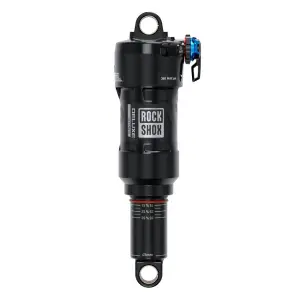
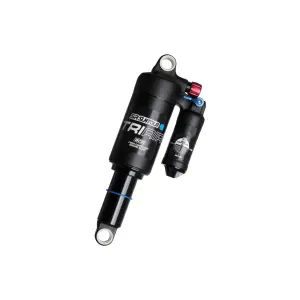
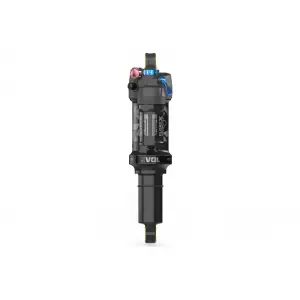
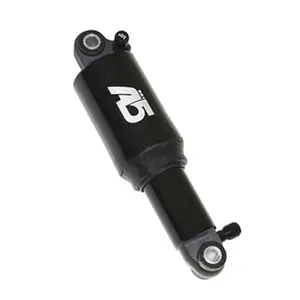
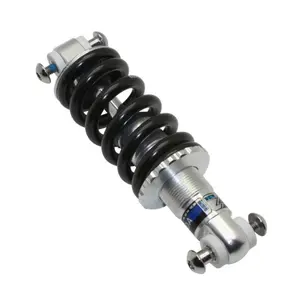
A rear shock is defined by two measurements: the eye to eye, the distance between its two mounts, and the stroke, how much it can compress. The RockShox Deluxe Ultimate in 210 x 47.5 millimetres corresponds to a precise metric format, and both values must match those specified by the frame manufacturer. The air version adjusts with a high-pressure pump according to the rider's weight. The Super Deluxe Coil, featuring a coiled spring, offers consistent sensitivity and heats up less in long descents; it comes without a spring, which can be selected based on weight and frame kinematics. The Italian Bitubo also offers a spring shock for bikes with a simple rear suspension.
Pivot Bearings: References and Replacement
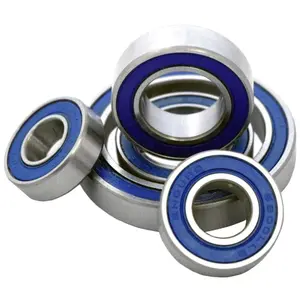
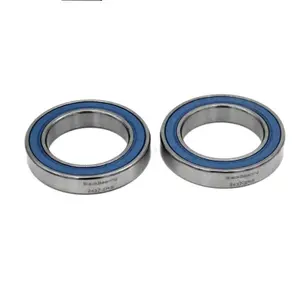
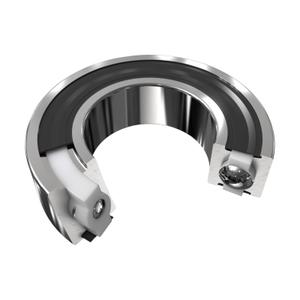
On a full suspension MTB, pivot bearings spin very little but take on heavy loads, especially in the rain and mud. Their reference indicates their measurements: a 6900 has a 10-millimetre bore, 22-millimetre outer diameter, and 6-millimetre thickness, and the suffix 2RS or LLU indicates seals on both sides. The MAX bearings from Enduro Bearings, without cages, accommodate more balls to better withstand the static loads typical of pivots. Black Bearing and Sun Ringlé also offer ready-to-install pairs. A play in the swingarm, or a stiff point when rotating the rear without a shock, indicates it's time to replace them, using a press rather than a hammer.
The Selection
Suspensions are organised by type:
Other parts, wheels, pedalling, components, tyres, tools, can be found on the spare parts page.
Rigid Fork: City, Hybrid and Road Bikes
Not all bikes have suspensions: on a city bike, hybrid or road bike, the rigid fork is lighter, more precise and maintenance-free. P2R offers curved steel ones for 700C or 650B wheels, with steerer threads for older headsets or smooth for modern external clamp stems. Before ordering, measure the length of the steerer, which should slightly exceed the height of the head tube and the bearings, check its diameter, most often 1 1/8 inches, and the presence of brake bosses for rim brakes or mounts for disc brakes. Replacing a low-end suspension fork with a rigid one significantly lightens a hybrid bike mostly used on the road.
Frequently Asked Questions
How do you adjust the sag of a suspension under the rider's weight?
Dressed for riding, sit on the bike and measure, using the o-ring on the fork or shock, the sag achieved. One typically aims for about one-fifth to one-quarter of the travel at the front and one-quarter to one-third at the rear, adjusting the air pressure accordingly.
What is the purpose of the rebound adjustment on a suspension?
The rebound, often a red knob, controls how quickly the suspension returns after compression. If too fast, the bike bounces and the wheel lifts; if too slow, the suspension sinks from bump to bump without returning. It is adjusted after the air pressure.
Is a suspension fork necessary on a 20-inch children's bike?
On a children's bike, a basic spring fork is heavy and barely functions, as the child is too light to compress it. A rigid fork often makes the bike more manoeuvrable; only air forks designed for young riders really adjust.
How often should a MTB fork be serviced?
Manufacturers like RockShox recommend maintaining the lower fork, including seal and oil, approximately every fifty hours of riding, with a complete service less frequently. Clean the stanchions after each muddy ride.
How can you tell if a rear shock is leaking?
Oil on the shock body, a loss of pressure from one ride to the next, or a sudden dip at the end of its stroke indicates a worn seal. An air shock that loses pressure in a few hours needs to be serviced before riding.






