
Wheels and wheel parts




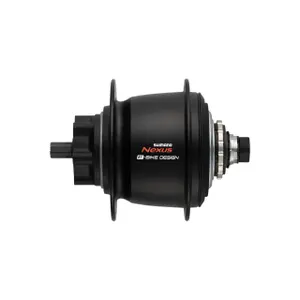
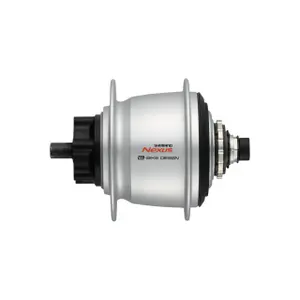
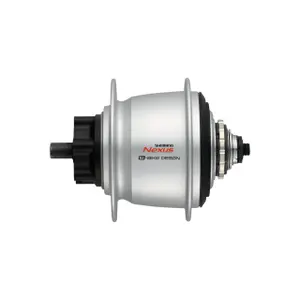
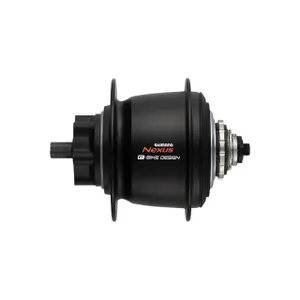
The bicycle wheels and their parts page brings together complete wheels for road, mountain biking, gravel, city or BMX, rims, hubs, bearings, thru-axles, skewers, freehub bodies and mudguards, from Shimano, Mavic, Spank, Enduro Bearings, DT Swiss, Ikon, XLC or Sun Ringlé. Everything you need to replace a wheel, repair it or upgrade it according to your frame’s standards.
Assemble, repair and maintain your wheels.
ETRTO Diameter and Rim Width: Compatibility
The size of a wheel is stated on the sidewall of the tire, but the ETRTO notation is the most reliable: it indicates the rim diameter in millimetres, 622 for a 700C road wheel as well as for a 29-inch MTB, 584 for 27.5, and 559 for 26 inches. The internal rim width is then chosen based on the tires: around nineteen to twenty-five millimetres for road and gravel, more for MTB, so that the tire maintains a rounded profile. Tubeless ready rims, like the Mavic Allroad designed for gravel, accept a tire without a tube, fitted with a sealing fluid that plugs small punctures.
Boost Hubs, Cassette or Integrated Gears
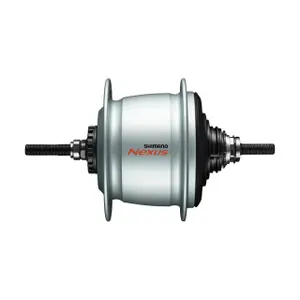
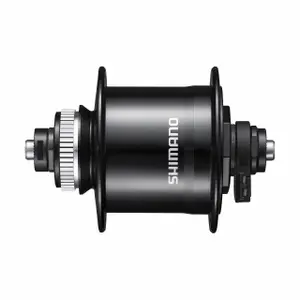
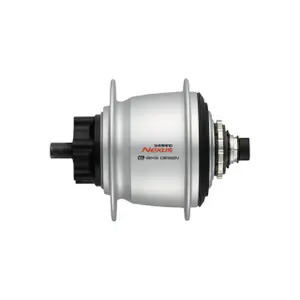
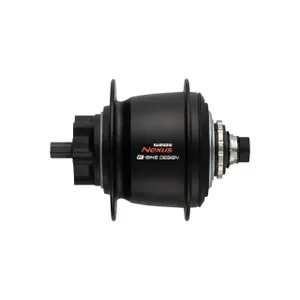
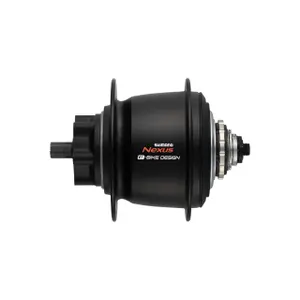
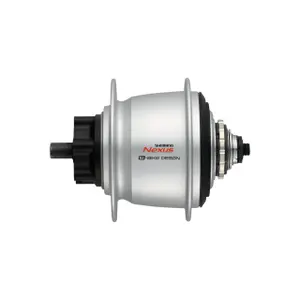
The hub must match the spacing of the frame and fork. On recent MTBs, the Boost standard widens the rear hub to 148 millimetres and the front to 110, which spaces the flanges and makes the wheel stiffer: this is the case with the Spank Hex J-Type. Its freehub body receives the cassette and must match the drivetrain, Shimano HG, Micro Spline, or SRAM XD. In the city, hubs with integrated gears like Shimano Nexus, from three to eight speeds, encase the gears within the hub: they require little maintenance, allow gear changes at a stop at red lights, and pair well with a drum brake, like the Nexus BR-C6000, which is less sensitive to rain.
Through Axles, Quick Release, and Bearings
The wheel is fixed to the frame using a quick release lever on a hollow axle of nine or ten millimetres, or by a through axle of twelve to fifteen millimetres screwed through the fork and dropouts: stiffer, it also ensures that the brake disc is always in the same position. Inside the hub, cartridge bearings are identified by a standard reference: a 6900 measures 10 millimetres in inner diameter, 22 in outer diameter, and 6 in thickness, while a 6802 measures 15, 24, and 5 respectively. Enduro Bearings offers these same specifications in steel or ceramic versions. A bearing that grinds or has play can be replaced using a puller and a press.
The Selection
Wheels and parts are organized by type:
- MTB Wheels.
- Road Wheels.
- Gravel Wheels.
- City Wheels.
- Hybrid Wheels.
- BMX Wheels.
- Children's Wheels.
- Rims.
- Hubs.
- Bearings.
- Through Axles.
- Wheel Locks.
- Freehub Bodies.
- Mudguards.
- End Caps.
- Accessories.
Other parts, pedaling, tires, suspensions, components, tools, can be found on the spare parts page.
True a Wheel and Choose a New Pair
A wheel becomes out of true when the tension is no longer even all around: the rim wobbles to one side and rubs against the brake pads or the frame. A slight out of true can be corrected with a suitable key, adjusting the tension a quarter turn at a time on the side opposite to the defect; however, a cracked or severely warped rim will need replacing. When changing pairs, the profile guides the choice: a high rim in carbon offers better aerodynamics on flat terrain, while a low and light rim accelerates better in the mountains and is less affected by crosswinds. To transport spare wheels, a cover like the Granite Design Crust protects hubs and discs from impacts.
Frequently Asked Questions
How do you remove a bicycle wheel?
Open the quick release lever or unscrew the through axle, then loosen the rim brake if there is one. At the back, first move the chain onto the smallest sprocket before lowering the wheel out.
Carbon or aluminium wheels for a road bike?
Carbon wheels, often with a high profile, are lighter at equal heights and more aerodynamic. Aluminium, being sturdier and more affordable, handles potholes better and remains a good choice for daily training.
Can you fit larger wheels on a mountain bike?
Rarely: the frame and fork must provide enough clearance for the larger diameter, and the geometry will be altered. Check the measurements and recommendations from the frame manufacturer before any change in wheel size.
How long does a hub bearing last?
It all depends on the conditions: mud, rain, and pressure washers wear it down much faster. Check for play by shaking the mounted wheel sideways, and replace the pair as soon as any grinding noise appears while spinning it.
How do you choose a mudguard for your wheel?
It is chosen based on the wheel diameter and tire width, with a few millimetres of margin to avoid rubbing. Models with quick fittings suit bikes without eyelets, while mudguards screwed to the frame offer better everyday protection.






