
Tyres: tyres and inner tubes
Starting at £57.45
£55.24
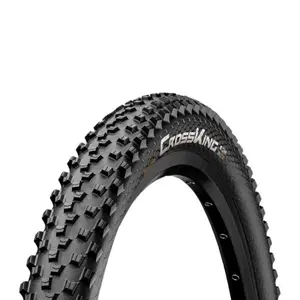
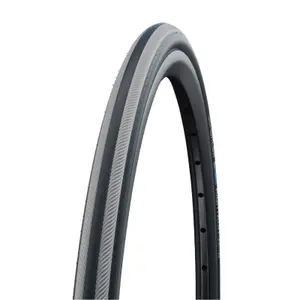
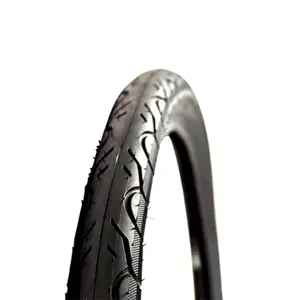

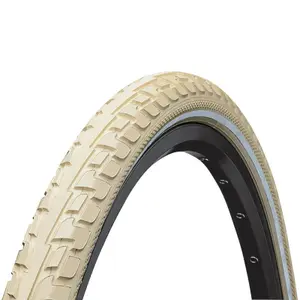
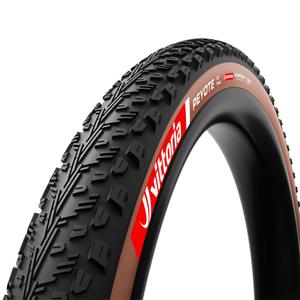
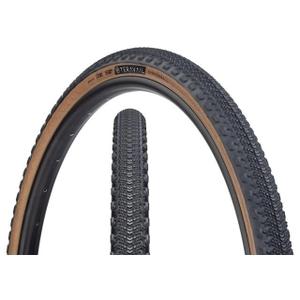
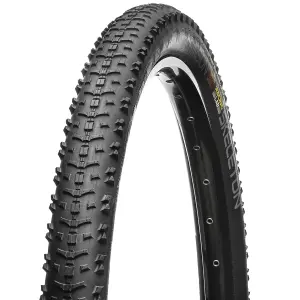


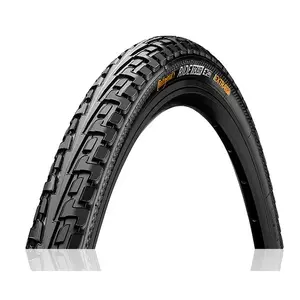
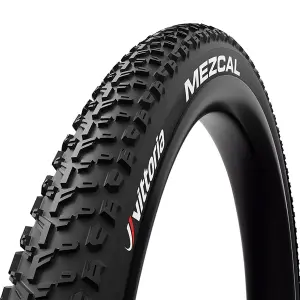
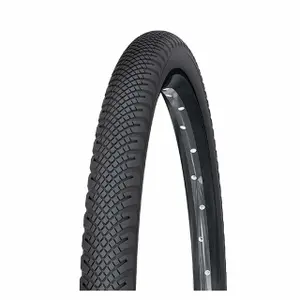
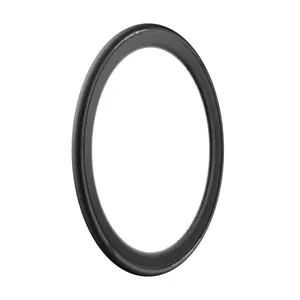
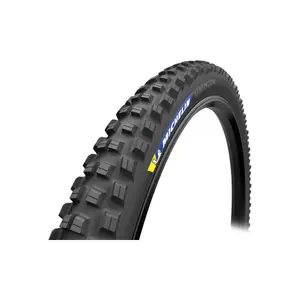
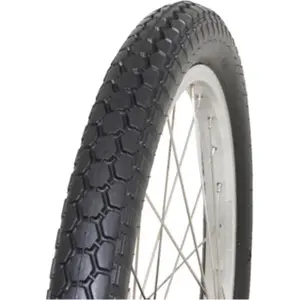
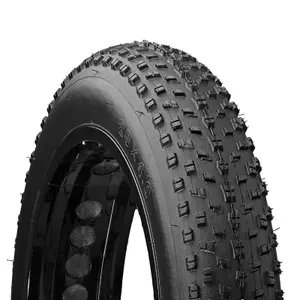
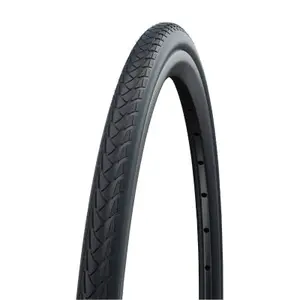
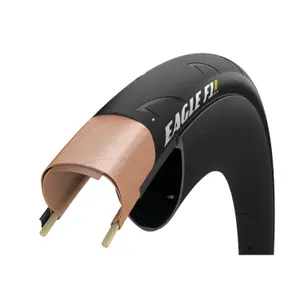
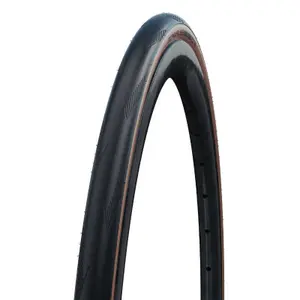
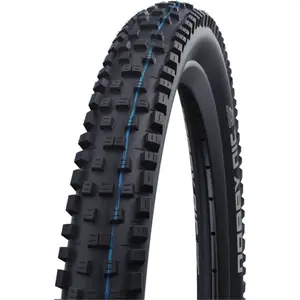
The bike tyres page brings together tyres and inner tubes for road, mountain biking, gravel, city, BMX, and children's bikes: Continental Ride Tour and Schwalbe Marathon for daily rides, Schwalbe One and Michelin for road, Vittoria and Maxxis for off-road, Hutchinson, and inner tubes from Durca, XLC, or Tubolito that cover all sizes, from small children's wheels to 29 inches.
Finding the right tyre or inner tube starts with knowing how to read a size.
Reading a tyre size: ETRTO, inches and 700C
The ETRTO notation, adopted by the ISO standard, leaves no doubt: in 37-622, 37 indicates the width of the inflated tyre and 622 the bead diameter, in millimetres. The diameter 622 corresponds to both the 700C used on road and city bikes as well as the 29-inch for mountain bikes, while 584 designates the 650B, also known as 27.5 inches, and 559 refers to the old 26-inch mountain bike. The 406 is fitted on BMX and children's bikes with 20 inches. When replacing, the width can vary within the limits accepted by the rim and frame, but never the diameter: a 584 tyre won't fit on a 559 rim, even if both are called 26 inches in some countries.
Rigid, soft or tubeless ready tyre
The bead, the rim that secures the tyre to the rim, defines its category. The rigid tyre, with a steel bead, like the Continental Ride Tour or the Schwalbe Marathon Performance, is the most economical and suits city and touring bikes. The soft tyre, with an aramid bead, folds for transport, weighs less and is easier to fit: this is the case for the Schwalbe One Raceguard for road. Tubeless ready models, like the One Addix or the Vittoria Terreno Dry, are fitted without an inner tube on a compatible rim, using a sealant that plugs small punctures and allows for lower pressure, ensuring better grip and comfort.
Road, city, MTB: width, rubber and protection
On the road, the reference width has shifted from 23 to 28 millimetres: a wider tyre, inflated a bit less, rolls just as well and filters bumps better, and Schwalbe and Michelin offer their road tyres in various widths. In the city, the emphasis is on puncture protection: the Ride Tour from Continental and the Marathon from Schwalbe have a thick layer under the tread, and some sizes feature a reflective band on the side. For MTB, the tread pattern is key: closely spaced small knobs for dry terrain, like the Vittoria Terreno Dry, and tall, spaced knobs for muddy conditions. The Maxxis Hookworm, nearly smooth, is used for street and dirt riding.
The selection
The tyres are organised by bike type:
Other parts, including wheels, pedal system, components, suspensions, tools, are on the spare parts page.
Inflation pressure and valve type
The recommended pressure is marked on the sidewall, displayed as a range in bars and PSI: go for the higher end of the range for heavier or loaded riders, and the lower end for comfort and grip. A road tyre is often inflated between 5 and 8 bars, while a MTB tyre is typically between 1.5 and 2.5 bars. A foot pump gauge is much more precise than a thumb pressure. The inner tube must have the correct valve: Presta, known as the French valve, which is thin and has a knurled nut, commonly found on most road and MTB bikes, or Schrader, the car valve, which is used on many city and children's bikes. The TPU inner tube from Tubolito, very compact, fits in a saddle bag as a spare tube.
Frequently asked questions
What MTB tyre for riding on road and trail?
A tyre with low and closely spaced knobs in the centre, more pronounced on the shoulders, rolls well on tarmac while still providing grip on dry trails. Inflate it a bit more than for pure off-road use to minimise rolling resistance.
Which road bike tyre to choose for the mountains?
In the mountains, a soft tyre with a soft compound offers better grip on descents and reduces the weight to push uphill. A width of 28 millimetres provides comfort and cornering stability without compromising on lightness.
How to tell if a bike tyre is worn?
A flattened tread, cuts where the casing is exposed, or worn tread indicators, if the model has them, signal a tyre at the end of its life. Repeated punctures also indicate a thinned protective layer.
Can you fit a wider tyre on your rim?
Yes, within the limits of the rim's inner width and the frame and fork clearance. Manufacturers provide compatibility charts; leave a few millimetres of space between the tyre and the frame to allow for mud clearance.
Why is my tyre slowly deflating?
A loosely tightened valve, a thorn stuck in the rubber, or a shifted rim tape that leaves a hole that punctures the tube are the most common causes. Submerging the inflated tube in water helps spot bubbles, then inspect the inside of the tyre.






