
City Bike Tyres
Starting at £58.28
£47.73


Starting at £17.43
£15.15
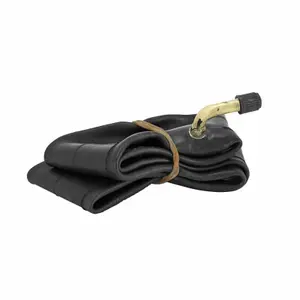
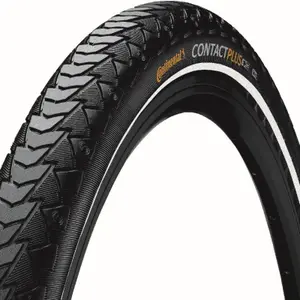
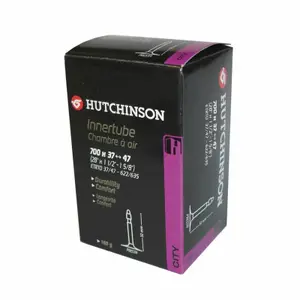
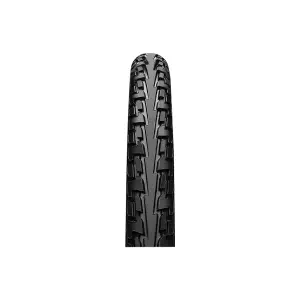
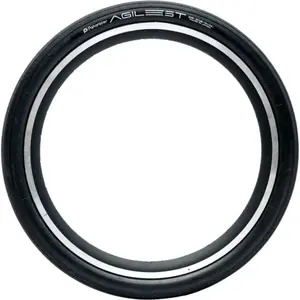
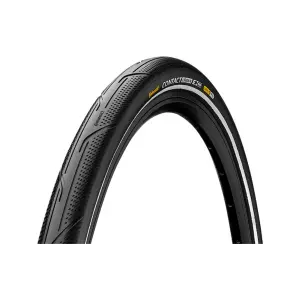
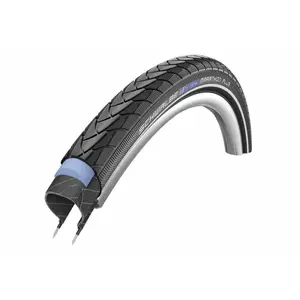
Starting at £38.31
£34.37
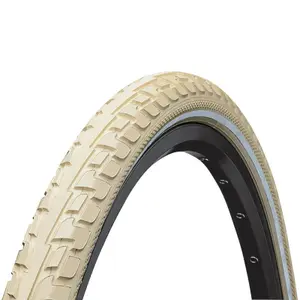
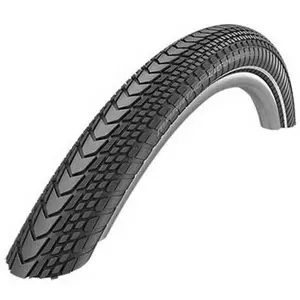
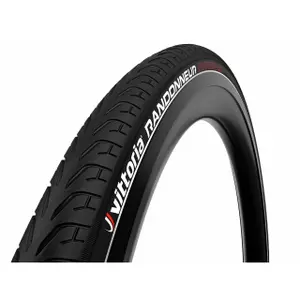
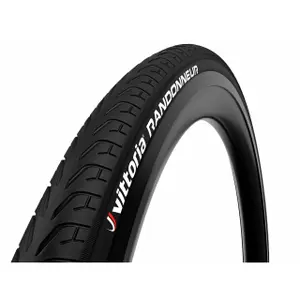
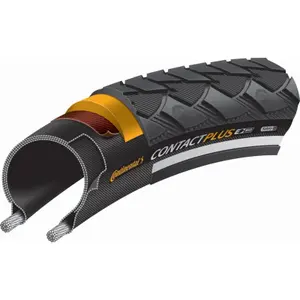
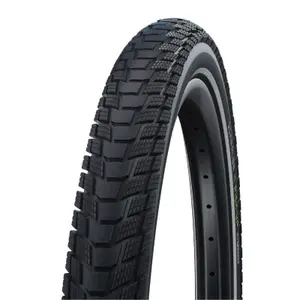
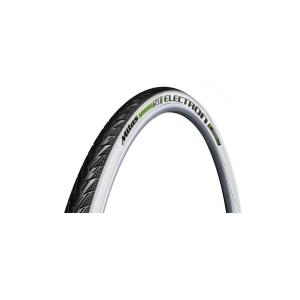
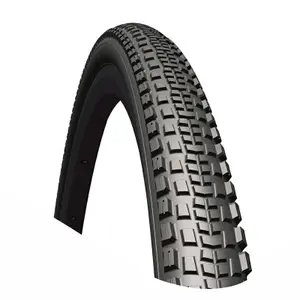
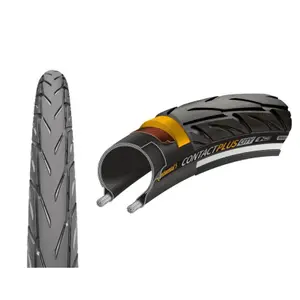
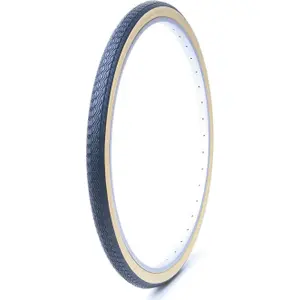
Our selection of City tyres brings together Continental Ride and Contact, Vittoria City, Urbano and E-Randonneur, Michelin Protek and City Street, Panaracer Pasela and Tourguard, Mitas Electron for electric bikes, Deli and the solid tyre Tannus for Brompton, along with our advice on width, protection and pressure.
The right tyre for every urban use.
Reinforced tyres for electric bikes
An electric-assist bike weighs more and generally goes faster than a regular bike: its tyres handle more load, torque at start-up, and wear. Dedicated models, like the Vittoria E-Randonneur or the Mitas Electron, have reinforced casings and puncture-resistant belts and use more durable rubber. Many tyres carry the E-25 marking, which certifies their suitability for assisted bikes up to twenty-five kilometres per hour. Speed bikes, which are assisted up to forty-five kilometres per hour, require tyres approved according to the ECE-R75 regulation.
Other tyres
Tyres also come in various types:
All tyres are gathered on the tyres page.
Puncture protection and visibility for everyday use
In the city, glass shards and debris make a puncture-resistant belt almost essential. The Continental Contact Plus, with its SafetyPlus layer, the Michelin Protek, and the Panaracer Tourguard sandwich a thick layer under the tread, at the cost of a few grams. The Panaracer Pasela, with its ProTite protection and classic look, nicely decorates vintage-style bikes. Reflective sides, like on the Vittoria City or the Continental Contact Speed, create a luminous circle in headlights and make the bike visible from the side at night, where a simple reflector often goes unnoticed.
Folding bikes and small wheels: the case of Brompton
Folding bikes run on small wheels, like the Brompton, fitted with sixteen-inch tyres with an ETRTO diameter of three hundred and forty-nine millimetres. The Tannus tyre for Brompton is a solid tyre that requires no air: it eliminates punctures and pressure checks, providing real comfort for a bike folded in the train or metro, though at the cost of a little lower performance and cushioning compared to an inflated tyre. Small wheels also mean more wheel rotations per kilometre: the tread wears out faster and deserves close monitoring.
Bargains
Good deals can also be found in the bargains, promotions, clearance, sales, and Black Friday. The new arrivals showcase the latest collections, and items shipped in 24 hours are prepared and sent out within 24 hours. The highlights of the year follow in a consistent order: Black Friday in late autumn, the year-end holidays, the winter sales, the French Days in spring, followed by the summer sales and back-to-school.
Frequently asked questions
What tyre width for a city bike?
Most urban tyres measure between thirty-two and forty-seven millimetres. A wide tyre, inflated to a lower pressure, absorbs cobbles and potholes; a narrower tyre rolls faster on smooth asphalt. The size should remain within the limits allowed by the frame and mudguards.
What pressure should city bike tyres be inflated to?
Stick to the range indicated on the sidewall, aiming for the top of the range when carrying a load. A tyre that is under-inflated wears out quickly and is prone to pinch flats: a check every two weeks is sufficient.
How to tell if a bike tyre is worn?
A flattened tread, worn-out wear indicators, deep cuts, or the casing appearing indicate that it needs replacing. The rear tyre, which bears the bulk of the weight, wears out much faster than the front.
Rigid tyre or folding tyre: what's the difference?
The rigid tyre has steel beads, which are cheaper but heavier. The folding tyre, with flexible aramid beads, folds up for easy transport in case of breakdown and is lighter by a few tens of grams, while performing similarly on the road.
How to read the size of a city bike tyre?
The ETRTO marking, such as thirty-seven and six hundred and twenty-two, indicates the width and diameter at the rim in millimetres. It can also be found in inches, twenty-eight times one and three eighths for example, or in French notation, like seven hundred by thirty-five C.






