
Gravel Tyres for Roads and Trails


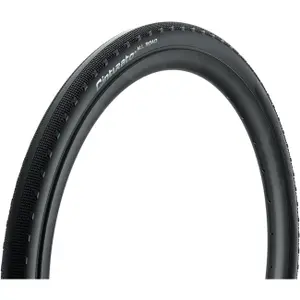


Our gravel tyres page brings together our tips for equipping a bike that goes from the road to the trails: seven hundred or six hundred and fifty B diameter, width depending on the wheel clearance, tread pattern, casing and protection, tubeless setup and pressure. Everything you need to choose a tyre that rolls on the road without slipping in the gravel.
Grip, from road to trail.
Seven hundred or six hundred and fifty B: two diameters
Gravel tyres come in two diameters. The seven hundred, fitted to a rim of six hundred and twenty-two millimetres according to ETRTO standards, is the most common and ranges from about thirty-five to forty-five millimetres in width. The six hundred and fifty B, on a five hundred and eighty-four millimetre rim, accommodates larger tyres, up to two inches and beyond, with a similar outer diameter: many frames accept both. On the side, a marking like 40-622 indicates the width and then the rim diameter, in millimetres, leaving no ambiguity.
The other tyres
Tyres are also available in:
All tyres can be found on the tyres page.
Slick, small knobs or studs depending on the terrain
The tread pattern reveals the purpose of the tyre. A central smooth or finely textured strip, supported by small lateral knobs, favours performance on road and packed surfaces while maintaining grip in corners. Profiles with tight small knobs are suitable for dry gravel and forest paths. Tyres with spaced studs evacuate mud and grip soft earth, but produce more noise and rolling resistance on asphalt. The casing matters too: a dense weave increases flexibility, while a belt under the tread and protected sidewalls withstand flint.
Tubeless, sealant and inflation pressure
In gravel riding, tubeless eliminates the inner tube: the tyre, sealed by an appropriate rim strip and a sealant, allows low pressures without the risk of pinch flats. The sealant dries over time and needs replacing several times a year. On a hookless rim, pressure should never exceed five bars, the limit set by ETRTO standards. Generally, the correct pressure decreases as width increases: start with the manufacturer’s recommended value for the weight, then adjust by a few tenths of a bar based on terrain and feel.
Good deals
Good deals can also be found in good plans, promotions, clearance, sales, Black Friday. The new arrivals showcase the latest collections, and items shipped in 24h are prepared and dispatched within 24 hours. The highlights of the year follow a consistent order: Black Friday at the end of autumn, the end-of-year holidays, winter sales, spring French Days, then summer sales and back to school.
Frequently asked questions
What is a tubeless ready gravel tyre?
It's a tyre designed to be mounted without a tube, with a bead that locks onto the rim and a casing sealed by the sealant. In case of a large cut, it can accept a temporary inner tube.
What gravel tyre is best for predominantly road use?
Choose a model from thirty-five to forty millimetres with a smooth central strip that rolls fast on asphalt while maintaining comfort on paths. A soft rubber improves grip on wet roads.
Do I need the same gravel tyre on the front and rear?
It's not mandatory: some use a stickier tread on the front, which guides the steering through corners on gravel, and a faster-rolling tyre on the back to maintain efficiency.
When should I replace gravel tyres?
When the studs are worn down, the rubber shows the casing, or the sidewalls have cuts. The rear tyre, which carries more weight and provides traction, usually wears out faster than the front.
How do I fit a gravel tyre tubeless at home?
Install a sealed rim strip and a tubeless valve, mount the tyre, and then inject the sealant through the valve. A vigorous inflation with a reservoir pump seats the bead; then rotate the wheel to distribute the sealant.






