
Bicycle pneumatic accessories


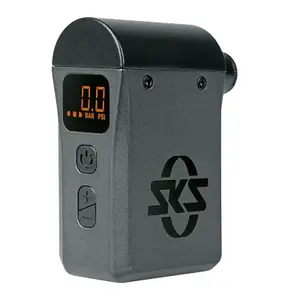


Starting at £57.45
£55.24


This page brings together pneumatic accessories that help fix a flat tyre and maintain your tyres: tyre levers, patches and solutions, sealant, tubeless valves and removable valve cores, rim tape and repair plugs. Our advice explains what each part is for, whether in a tube or tubeless, on the road, mountain biking or in the city.
Fixing a flat tyre, wherever you are.
Tire levers, patches and sealant: repairing an inner tube
A puncture in an inner tube can be fixed with three accessories. The tire levers lift the bead of the tyre over the edge of the rim; you slide a second one about ten centimetres further to free the entire sidewall. Once the hole is found, you sand the area, spread a thin layer of sealant and wait for it to go dull before putting on the patch: it's this cold vulcanization that bonds the patch to the tube. Self-adhesive patches, without glue, are quicker to use at the roadside but don’t last as long. Before putting it back on, run your fingers inside the tyre to remove the thorn or flint that caused the puncture.
Other tyres and tools
Tyres also come in:
All tyres are listed on the tyres page.
Rim tape, valves and sealant: tubeless accessories
The tubeless setup relies on the airtightness of the rim. The adhesive rim tape covers the holes of the rim’s well; you choose it slightly wider than the inner width of the rim so that it goes up the edges and the tyre bead sits against it. The tubeless valve, with a rubber base and tightening nut, is selected based on the depth of the rim: if it's too short, it barely sticks out and hinders inflation. The sealant, usually latex-based, is poured through the valve after removing the core, then you spin the wheel to spread it over the entire inner surface of the tyre.
Strips, valves and tyre patches: roadside repairs
When a puncture is too large for the sealant to seal, the strip takes over: coated in rubber, it is pushed into the hole with a fork-shaped tool, then you cut off the excess and inflate again. A cut to the sidewall is dealt with using a tyre patch stuck inside the casing, which prevents the tube or sealant from escaping through the cut until you can get home. The valve core gets clogged with dried latex: a small valve core tool allows you to clean or replace it. The sealant also dries out over time, so it’s important to check the level every
Good deals
You can find good deals in the good deals, promotions, clearance, sales, Black Friday. The new arrivals feature the latest collections, and the items shipped in 24h are prepared and dispatched within 24 hours. The highlights of the year follow a stable order: the Black Friday at the end of autumn, the holiday season, the winter sales, the French Days in spring, followed by the summer sales and back-to-school.
Frequently asked questions
Presta or Schrader valve: what’s the difference?
The Presta valve, which is thinner, screws at the top before inflation and is found on most modern road and MTB bikes. The Schrader valve, which is wider, is the one used in cars. They require different rim drillings: you choose tubes and valves according to your rim.
How much sealant in a tubeless tyre?
The amount depends on the volume of the tyre: a few tens of millilitres are enough for road tyres, while a wide MTB tyre needs much more. You follow the manufacturer's recommendations and top it up when you no longer hear the sealant sloshing around when you rotate the wheel.
How many patches to take in your repair kit?
A box of five or six patches and a small tube of sealant is enough for many rides. An open tube of glue dries quickly: check that it’s still usable before you head out, or keep some self-adhesive patches as a backup.
Can you repair a tubeless tyre with an inner tube?
Yes, it’s the backup solution when the strip isn’t enough: remove the tubeless valve, wipe up the sealant and install a properly sized inner tube. The tyre is put back on like a regular tyre until you get home.
Why prefer plastic tire levers?
Plastic or reinforced nylon tire levers don’t damage an aluminium or carbon rim, unlike a screwdriver or an old metal tool. Their rounded tip slides under the bead without pinching the inner tube.






