
Bike pumps for all uses
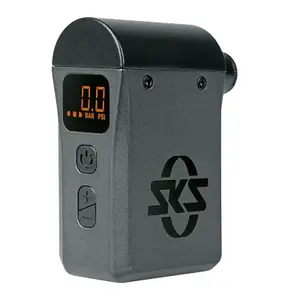

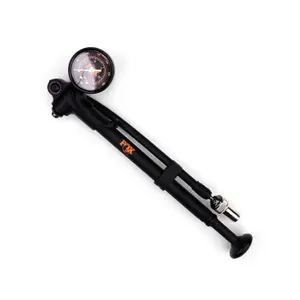
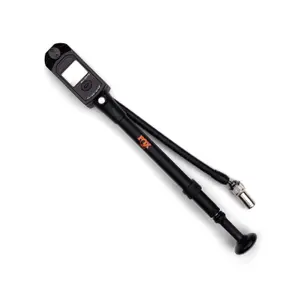
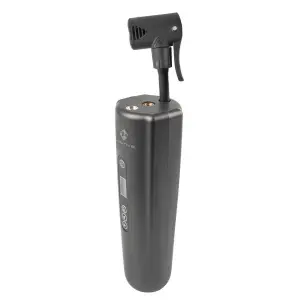


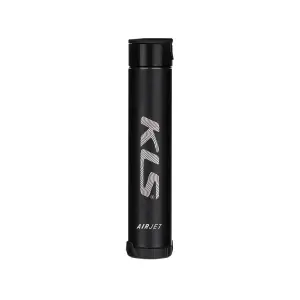
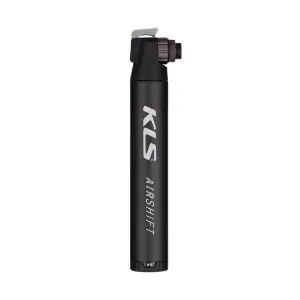
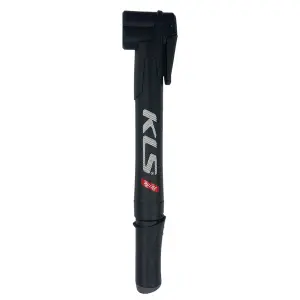
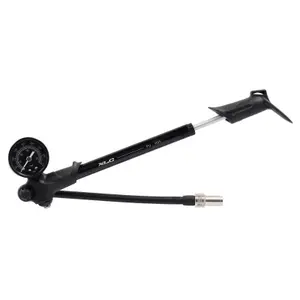


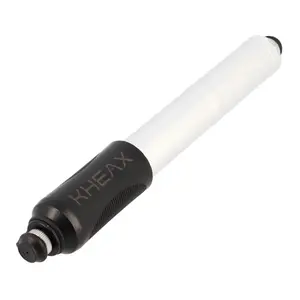

Our selection of bicycle pumps includes the steel foot pump Optimiz Tradi, along with our tips for choosing the right tool for every use: workshop pump for home, mini pump and CO2 cartridge for outings, rechargeable electric pump, head compatible with each type of valve and inflation pressure based on the tyre and terrain.
The right tool for every situation.
Presta, Schrader or Dunlop: the right head for your valve
A pump must first match the valve. The Presta, known as the French valve, is slim and has a small nut to unscrew before inflating; it's found on road bikes, gravel bikes, and most modern mountain bikes. The Schrader, or American valve, is wider and is found on car tires: it's commonly seen on many mountain bikes, BMX bikes, and children’s bikes. The Dunlop, or Dutch valve, is still common on city bikes and is inflated with a Presta head. A dual or reversible head accepts all three valves without an adapter, which saves you from searching for a lost nozzle when you're ready to go.
Other tires and accessories
Tires also come as:
All tires are gathered on the tires page.
The foot pump Optimiz Tradi, the workshop tool
The foot pump remains the fastest and most accurate way to prepare tires before heading out. Its large cylinder moves a large volume of air with each stroke, and the base, held underfoot, allows you to push with your body weight up to the high pressures needed for road tires. The Optimiz Tradi features a steel body, heavier than aluminum or plastic, but resistant to workshop impacts and years of use. Foot pumps in the Optimiz range come with or without a pressure gauge: it's better to choose one for inflating to the exact pressure instead of guessing, which can easily be misleading.
What pressure according to tire and terrain
The correct pressure depends on tire width, the cyclist's weight, and the terrain, within the range indicated on the sidewall. One bar is about fourteen point five psi. The wider the tire, the lower the pressure: a twenty-eight millimeter road tire often rolls between five and seven bars, a gravel tire between two and three and a half bars, and a MTB tire under two bars. Hookless rims are limited to five bars by standards, regardless of tire width. A tubeless setup allows for lower pressures, reducing the risk of pinch flats for better grip and comfort.
Bargains
Good deals can also be found in bargains, promotions, clearance, sales, and Black Friday. The new arrivals showcase the latest collections, and items shipped within 24 hours are prepared and dispatched in 24 hours. Annual highlights follow a stable order: the Black Friday at the end of autumn, the end-of-year holidays, the winter sales, the French Days in spring, then the summer sales and back-to-school season.
Frequently Asked Questions
What pump should you take on a bike ride?
A mini-pump attached to the frame is sufficient for emergencies. The CO2 cartridge inflates in seconds, ideal for racing, but it can only be used once: many cyclists carry one cartridge and a mini-pump.
How to attach a mini-pump to your bike?
Most mini-pumps come with a bracket that screws under the bottle holder, on the frame inserts. An elastic strap keeps it secure and prevents it from bouncing on rough roads.
Is an electric pump useful for a cyclist?
Compact and rechargeable, it inflates effortlessly and often stops at the programmed pressure. Convenient for the larger tires of an MTB or electric bike, it must, however, be charged before each outing.
Why do two gauges show different pressures?
The accuracy of gauges varies from pump to pump, especially at the lower end of the scale. For fine adjustments in MTB or gravel, a digital pressure controller serves as a single reference.
How often should you check your tire pressure?
Before every road outing, as a tire loses air naturally, faster with a latex tube or a tubeless setup. Weekly checks are sufficient for a city bike.






