
Hub caps for bike wheels




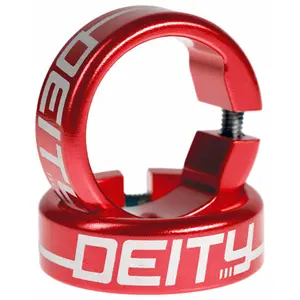
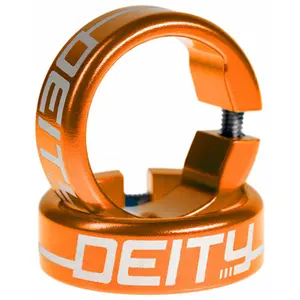
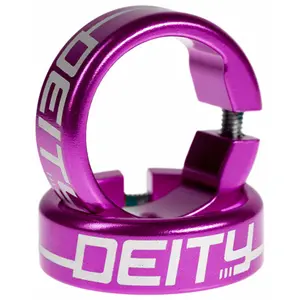
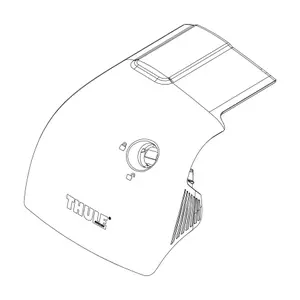


Our Hub End Caps page brings together our tips for adapting a bike wheel to another axle standard: switching from a quick release of nine or ten millimetres to a thru-axle of twelve, fifteen, or twenty millimetres, finding the correct spacing between the dropouts, identifying the reference of the hub, and replacing a worn, cracked, or lost end cap during disassembly.
Adapting your wheel to each frame.
What a hub end does
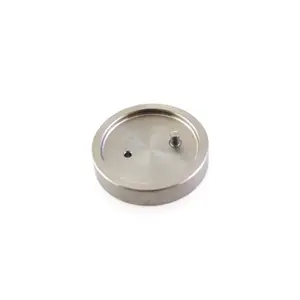
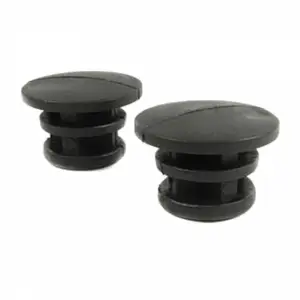
A hub end is the ring, usually made of machined aluminium, fitted at each end of the hollow axle of the hub, in contact with the bearing. It is the only part of the wheel that touches the frame or fork ends: its inner diameter fixes the accepted axle, and its outer flange sets the total spacing of the wheel. On a convertible hub, the body, bearings, and axle stay in place; only the ends change to switch from one standard to another. At the back, the transmission side end also holds the freehub body, which is why it almost always differs from the opposite end.
Other wheel parts
Wheels are also available as:
All wheels can be found on the wheels page.
Quick release or thru axle: the standards to know
The ends allow for changing the axle standard, provided that the hub has been designed for it. At the front, the quick release uses a nine-millimetre axle for a one hundred millimetre spacing, while the thru axle goes to twelve by one hundred on the road and gravel, and to fifteen by one hundred or one hundred ten, known as Boost, on MTB. At the back, the quick release of ten millimetres gives way to a twelve-millimetre axle, in one hundred forty-two or one hundred forty-eight millimetres. The switch to Boost is special: it also widens the spacing between the flanges, and a simple set of ends is not enough, unless an adaptation kit is provided by the hub manufacturer, with the rim being re-centred.
Identifying and replacing your ends
Before ordering, note the brand and model of the hub, often engraved on the body or printed on the flange, then the targeted standard: axle diameter and spacing. Ends from one manufacturer won't fit another hub, and sometimes not even from one generation to another from the same brand. On most hubs, they can be removed by hand or by gently pulling with a cloth-covered pliers; some are threaded and require two open-end wrenches. When replacing, make sure the seal is properly in place and that the end goes in all the way: poorly engaged, it creates play and causes the disc or pads to rub.
Good deals
Good deals can also be found in the good deals, promotions, clearance, sales, Black Friday. The new products feature the latest collections, and items shipped in 24h are prepared and dispatched within 24 hours. The major events of the year occur in a steady order: Black Friday at the end of autumn, the end-of-year holidays, the winter sales, the French Days in spring, followed by summer sales and back to school.
Frequently asked questions
Can a twelve millimetre axle wheel fit an old frame?
Yes, if its hub offers conversion ends for quick release: you replace both ends, then insert a standard tightening rod. The opposite assumes that the frame or fork accepts the targeted thru axle.
Do you need to re-centre the rim after changing ends?
No, as long as you stay within the same spacing standard: conversion ends are sized to keep the rim centred. However, switching to Boost with an adaptation kit does require re-centring the rim between the stays.
Why does an end fall off when removing the wheel?
On many hubs, the ends hold by simple friction on the axle, aided by an O-ring. They may stick in the stay or slide off during removal: put them back immediately, otherwise the wheel will be crooked.
Can a worn end cause clunking sounds?
Yes, an ovalized or poorly engaged end allows the wheel to move within the stays, leading to clunking on bumps and a sensation of vagueness when braking. Replacing it with the exact hub reference eliminates this play.
Are the front and rear ends interchangeable?
No, diameters and lengths differ, and the rear has two distinct ends, one of which holds the freehub body. Therefore, you need to order a kit dedicated to the front or to the rear for the exact standard you are looking for.






