
VTC and trekking forks
Starting at £436.91
£240.93
Starting at £495.28
£426.58

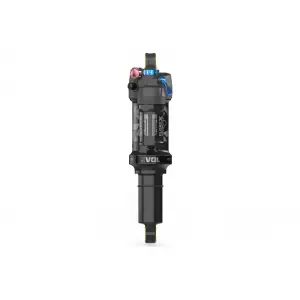
Starting at £731.99
£538.54

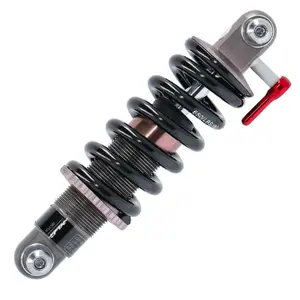
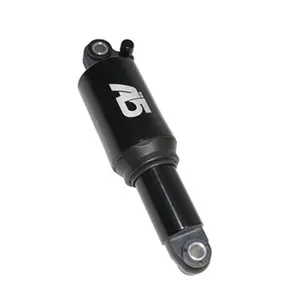
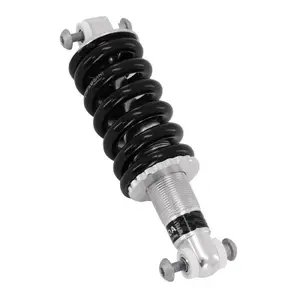
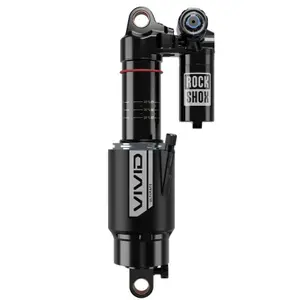


This page dedicated to Hybrid bike forks assists with the replacement of a fork on an all-terrain bike: short suspension with spring or air, lockout for road sections, straight or tapered steerer, twenty-eight inch wheel, mounts for rim or disc brakes, length to maintain the original geometry. The right guidelines for ordering a compatible fork the first time.
Comfort on road and trail.
What travel for a hybrid bike fork
A hybrid bike fork needs a short travel, usually between fifty and seventy-five millimetres: enough to smooth out cobblestones, roots on towpaths, or curbs, without turning the bike into an off-road machine or wasting pedalling energy. Beyond that, the front dives more during braking, and the steering feels heavier on the road.
The choice depends on the terrain: for mostly paved routes with a few dirt paths, a short travel is sufficient, while regular use on rocky trails requires a longer travel. Some cyclists even revert to a rigid fork made of steel or aluminium, which is lighter and requires no maintenance, when the surface allows it.
Other suspensions
Suspensions also come in different types:
All the suspensions are gathered on the suspensions page.
Spring, air and locking: adjusting comfort
The majority of hybrid bike forks use a coiled spring made of steel: sturdy and inexpensive, it is adjusted by a preload knob located at the top of one of the stanchions, which hardens or softens the suspension based on the cyclist's weight. The air fork replaces this spring with a chamber inflated with a high-pressure pump; lighter, it finely adjusts to each rider's frame and the weight of the cargo.
The lock, whether via a knob on the fork or a remote control, locks the suspension on the pavement and during climbs when each pedal stroke would cause the front to dive. Some models retain a slight movement when locked to absorb an unexpected shock without excessive strain.
Steerer, axle and brake mounts: dimensions to measure
The steerer passes through the headtube: its diameter is usually one inch and an eighth straight, sometimes tapered on newer frames or one inch on older bikes, as well as its length, which must accommodate the headtube, spacers, and stem clamp. A new steerer should be cut to the correct size, never the other way around.
Next, check the wheel size, twenty-eight inches on most hybrid bikes, the type of axle, quick release of nine millimetres or thru-axle, and the braking: stub axles for rim brakes, caliper mounts for disc brakes, or both. Finally, the distance between the wheel axle and the fork crown must remain close to the original, or it will change the steering angle.
Good deals
Good deals can also be found in the good deals, promotions, clearance, sales, Black Friday. The new arrivals showcase the latest collections, and items shipped in 24h are prepared and dispatched within 24 hours. The key events of the year follow a stable order: the Black Friday at the end of autumn, the year-end holidays, the winter sales, the French Days in spring, then the summer sales and back to school.
Frequently asked questions
How to adjust the pressure of an air hybrid bike fork?
Start with the chart printed on the fork or in the manual, which associates a pressure with the weight of the equipped cyclist. Then fine-tune it based on use: the fork should compress slightly when you sit down, without bottoming out on the largest bumps of the route.
Can you mount a suspended fork on a hybrid bike with a rigid fork?
It is possible if its length is close to that of the original: a significantly taller fork raises the front and opens up the steering angle, making the ride less responsive. Check also the steerer, wheel size, and brake type before purchase.
Why does my hybrid bike fork creak when compressing?
A creaking or dry rubbing sound often comes from dry and dirty stanchions, or worn guide bushings. Clean and lightly lubricate the stanchions at the joints; if the noise persists or if play develops back and forth, a service is needed.
Quick release fork or thru-axle for hybrid bikes?
The nine-millimetre quick release remains the most common standard on hybrid bikes and makes wheel removal easier. The thru-axle, which is stiffer, improves precision during disc braking, but requires a wheel whose hub accepts this standard.
What regular maintenance for a suspended hybrid bike fork?
After a muddy ride, rinse with fresh water without a powerful jet and wipe down the stanchions. A drop of suspension oil on the seals keeps the movement smooth; air forks benefit from being serviced every year by a workshop.






