
Bike suspension accessories
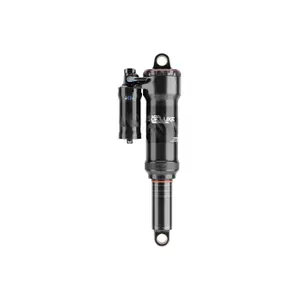
Starting at £436.91
£240.93
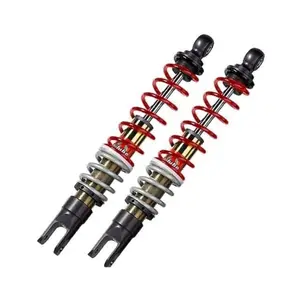
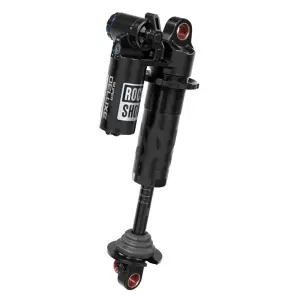
Starting at £495.28
£426.58
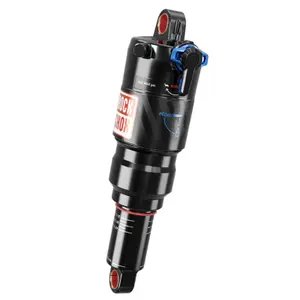

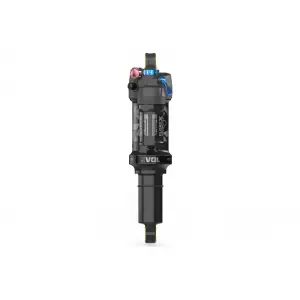
Starting at £731.99
£538.54
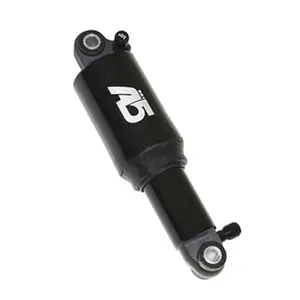
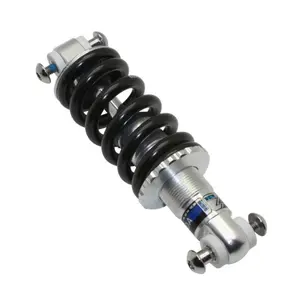
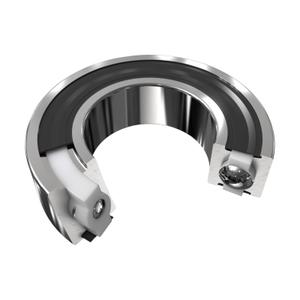
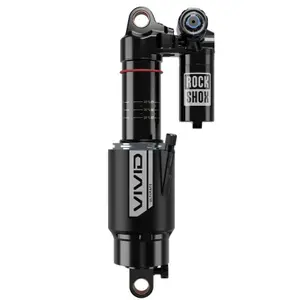
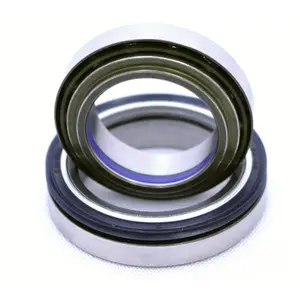
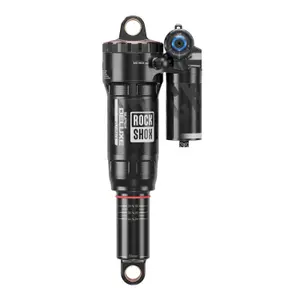
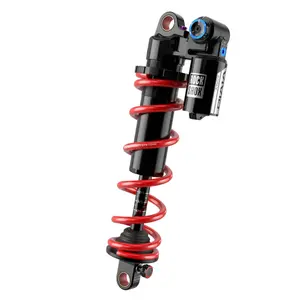


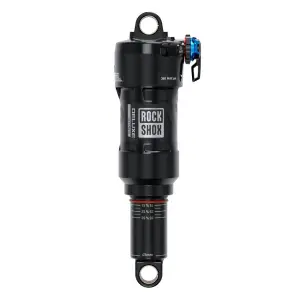
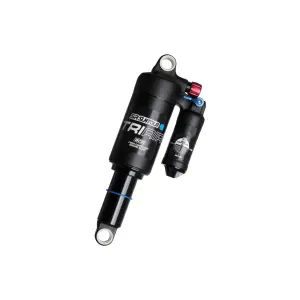
This page brings together suspension accessories that keep a fork and shock effective: seal and foam kits, bath and damping oils, volume tokens, high-pressure pumps, fork mudguards and protection films. Our tips detail maintenance intervals, setting sag and how to protect the stanchions on muddy rides.
A well-adjusted and maintained suspension.
Seal and oil kit: the maintenance of the lower fork
The lower fork contains a small amount of bath oil that lubricates the stanchions and saturates the foam placed under the scraper seals. With dust and mud, this oil collects particles, and the seals eventually allow dirt to pass through. Depending on the manufacturers and the type of maintenance, this service is needed every fifty to one hundred and twenty-five hours of riding, or at least once a year. The seal kit corresponding to the diameter of the stanchions, new foams, and oil with the prescribed viscosity are sufficient for this operation, which restores fluidity from the first few centimeters of travel and protects the surface treatment.
The other suspensions
Suspensions are also available in:
All suspensions can be found on the suspensions page.
Volume tokens and high-pressure pump: adjusting your suspension
An air suspension is first adjusted with a precise high-pressure pump because a few psi are enough to change its behaviour. You adjust the pressure to achieve the desired sag, with the rider seated on the bike: generally between a quarter and a third of the available travel, depending on the discipline. The volume tokens come into play next: these plastic spacers screw or clip into the air chamber to reduce its volume. The end of the travel becomes firmer, helping to avoid bottoming out upon landing from a jump, without stiffening the initial part of the travel. They are added one by one, with rolling in between each test.
Fork mudguard and adhesive films: protecting the stanchions
The fork mudguard, fixed by straps or bolts on the arch, stops a large part of the spray from the front wheel before it reaches the seals, the stanchions, and the rider's face. The adhesive films protect the arch and the stanchions from cable wear and stone impacts, which chip the paint. After each muddy ride, wipe the stanchions with a soft cloth and avoid high-pressure cleaners, as their jet can push water under the seals. A drop of suitable lubricant on the stanchions, wiped off immediately, keeps the seals soft between services and prolongs the life of the guide bushings.
Good deals
Great deals can also be found in the good deals, promotions, clearance, sales, Black Friday. The new products showcase the latest collections, and articles shipped in 24h are prepared and dispatched within 24 hours. The key events of the year follow a stable order: the Black Friday at the end of autumn, the end-of-year festivities, the winter sales, the French Days in spring, followed by the summer sales and the new school year.
Frequently asked questions
How can I tell if the fork seals are worn out?
An oil or dirt ring forming on the stanchions after a ride, or a fork that sticks at the beginning of its travel, indicates worn seals. Action is needed quickly, as the dust that gets through damages the surface treatment of the stanchions.
How many tokens should I put in my fork?
There is no ideal number: it all depends on the rider's weight, the discipline, and the model, with each fork accepting a maximum indicated by the manufacturer. You start from the original setup and add a token only if you bottom out regularly.
Can I inflate a suspension with a regular pump?
No, a foot or hand pump for tires does not reach high enough and lacks precision in small values. The suspension pump, with a low volume, reaches high pressures and often has a bleed valve for precise adjustments.
What oil should I use for my fork?
Each manufacturer specifies a certain oil for the stanchion bath and another for the damping cartridge, along with their viscosity. Mixing references or changing viscosity alters the damping and may damage the seals: you stick to the recommendations.
Does the rear shock need maintenance as often as the fork?
The rear shock also requires regular maintenance of its air chamber, often at a similar frequency to that of the lower fork. Its complete revision, more technical, is generally entrusted to a specialized workshop once a year or according to the hours of use.






