
Washers and bike mounting parts
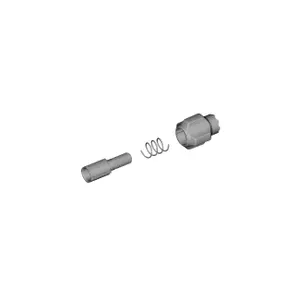
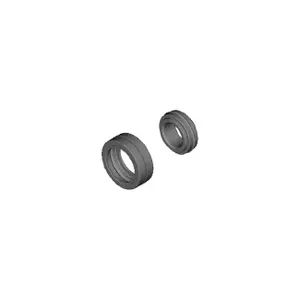
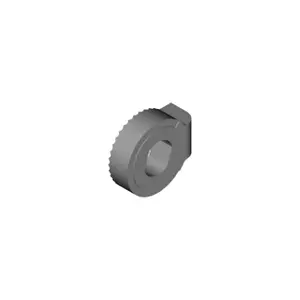
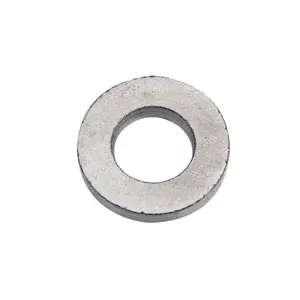


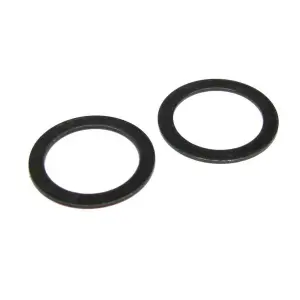
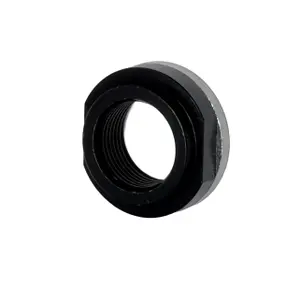
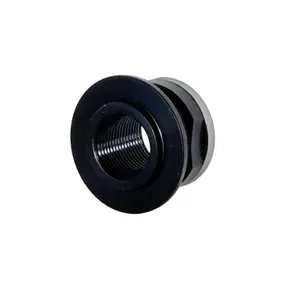
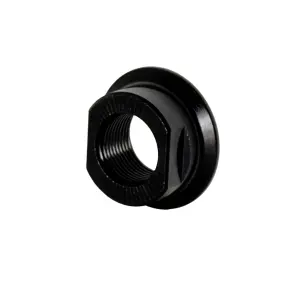


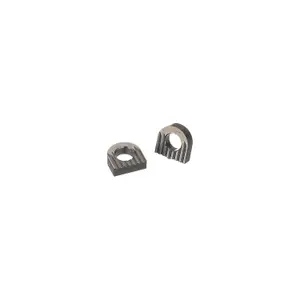
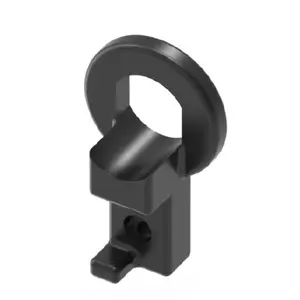
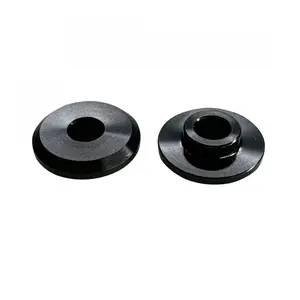
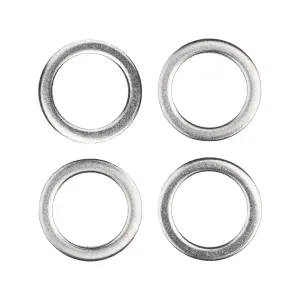
Our washers page brings together our tips on these small parts that you only notice when you've lost them: pedal washers that protect the crank, caliper washers that align a brake, centring ring for the headset, toothed or nylon washers. When selected carefully and reassembled in the right order, they prevent play, squeaking, and loosening.
The small parts that make up a well-built bike.
Distributing pressure and protecting surfaces
A flat washer slipped under a screw head or nut expands the bearing surface: the clamping force is distributed instead of marking the part, which is important for aluminium and even more so for carbon. Between the pedal and the crank, a thin washer prevents the shoulder of the axle from digging into the crank arm and limits creaking. Toothed washers, or star washers, bite into the surfaces to prevent loosening under vibrations, on fixings subjected to shocks. Finally, nylon washers isolate two different metals and reduce corrosion that arises from their contact.
Other components
Components also come in various forms:
All components can be found on the peripheral components page.
Caliper washers: aligning a brake
On international mount disc brakes, the caliper is centred using thickness washers slipped between the caliper and its arm: by adding or removing a shim, the caliper is shifted by a fraction of a millimetre to eliminate a rubbing on the disc. On V-Brake and cantilever brakes, concave and convex washers fit around the brake pad’s shaft: their ball joint allows the pad to be oriented in all directions to ensure it touches the rim flat, with a slight pinch at the front to prevent squealing. They are reassembled in their original order on either side of the brake arm.
Centre ring and headset
In a headset, the split conical centre ring aligns the upper bearing on the steerer and transmits the preload set by the cap. The steerer should stop a few millimetres below the top of the stem: if it extends beyond this, the cap will hit a stop and cannot eliminate bearing play. Each time the headset is disassembled, the parts are laid out in order on a cloth and any deformed, cracked, or corroded washer, which no longer ensures even tightening, must be replaced. Forgetting a washer during reassembly can lead to play or clunking in the headset.
Good deals
Good deals are also found in good deals, promotions, clearance, sales, Black Friday. The new arrivals showcase the latest collections, and items shipped in 24 hours are prepared and sent in 24 hours. The highlights of the year follow a steady order: the Black Friday at the end of autumn, the end-of-year holidays, the winter sales, the French Days in spring, followed by the summer sales and back to school.
Frequently asked questions
What is the purpose of the anti-rotation washer on an electric bike?
On a hub motor, a toothed washer engages in the frame’s arm and prevents the axle from rotating under the torque of the motor. Without it, the axle can open the arm and tear the cables. It should be replaced each time the wheel is removed.
Stainless steel, aluminium or nylon washer: which should I choose?
Stainless steel resists corrosion and is suitable for most fixings. Aluminium lightens the parts but deforms quicker, while nylon isolates two metals and dampens vibrations on accessories.
How do I know what size washer to choose?
Measure the inner diameter, which corresponds to the screw, for example five or six millimetres for common bike fixings, then the outer diameter and thickness. A caliper is enough for all three measurements.
Can I replace a washer with a thicker one?
Only if the screw still has enough threads engaged: a washer that is too thick reduces the engaged length and weakens the fixing. On a caliper or a headset, stick to the original thickness to maintain the adjustments.
Should I grease a washer during installation?
Grease the threads and the surface in contact with the screw head for consistent tightening. On carbon, it’s better to use a mounting paste, and never grease near a disc brake, where it would contaminate the pads.






