
Steering and shock absorber spacers



Our selection of Spacers includes the headset spacer kit Chromag, made from aluminium, and the metric race spacer Fox Factory for the Float X shock, along with our tips for adjusting the handlebar height down to the millimetre and reducing the travel of a rear shock without changing parts.
Fine-tuning your position and suspension.
The steering ring kit Chromag
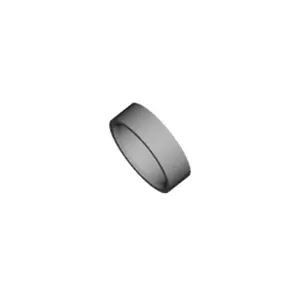
The Chromag kit includes three steering rings: two five-millimetre rings and one ten-millimetre ring, machined from aluminium and anodised with the brand logo, for a 1.125-inch fork steerer, the most common diameter. Founded in 2003 in Whistler, Canada, by Ian Ritz, a mechanic and co-owner of a well-known workshop in the resort, the brand designs stems, handlebars, and pedals for mountain bikes, and its rings reflect this attention to detail. The three heights can be combined for a total of twenty millimetres, in five-millimetre increments: allowing for precise adjustments to move the handlebars up or down without needing to buy new parts with every try.
The other components
The components are also available as follows:
All components are gathered on the peripheral components page.
The Fox spacer for Float X
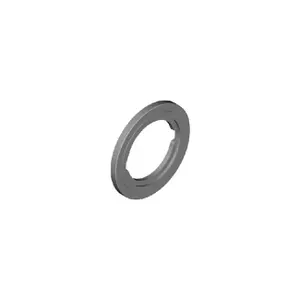
The spacer Fox Factory fits onto the shaft of a Float X shock absorber in metric format and reduces its travel by two and a half millimetres. You can stack as many as you need to adapt the shock to a frame that requires less travel, or to stiffen a shock that is too generous for a more rolling performance. The metric format, introduced in 2016, standardises lengths and travels in increments of two and a half millimetres, making these spacers consistent from one frame to another. Fitting it requires opening the air sleeve of the shock: this is preferably done in a workshop with the right tools and grease.
Maximum height and tightening of the stem
The height of the rings under the stem is limited by the fork manufacturer, especially on a steerer made from carbon, often by just a few centimetres: beyond that, the leverage applied to the steerer can become dangerous. At the top, the steerer passes entirely through the stem and slightly protrudes, by about three millimetres according to Chromag, after which a ring covers the assembly so that the top cap preloads the bearings. The order of tightening matters: first, you set the headset play with the top cap screw, align the stem with the front wheel, then tighten its screws to the specified torque in an alternating pattern, never exceeding the engraved value.
Good deals
Good deals can also be found in the good deals, promotions, clearance, sales, Black Friday. The new arrivals showcase the latest collections, and items shipped within 24h are prepared and dispatched within 24 hours. The key events of the year follow a stable order: the Black Friday at the end of autumn, the end-of-year holidays, winter sales, the French Days in spring, then the summer sales and back to school.
Frequently asked questions
What height of ring should I choose to raise my handlebars?
Start with five millimetres: you can already feel the difference on your wrists and the pressure at the front. The Chromag kit allows you to increment by five up to twenty millimetres, by moving the top rings to underneath the stem.
Why do the handlebars move backwards when I raise them with rings?
The steerer of the fork is angled backward according to the steering angle: raising the stem along the steerer also brings the handlebars closer to the saddle. Over two centimetres, this backward shift remains minimal but affects the position.
Aluminium or carbon spacers: what's the difference?
Aluminium, like on the Chromag kit, handles repeated tightening and small impacts from disassembly better. Carbon saves a few grams but can crack if it’s poorly fitted or crushed by a cap that's too tight.
How many spacers can be fitted in a Float X?
It depends on the original travel and the desired travel, each spacer reducing by two and a half millimetres. Adhere to the minimum travel recommended by the frame manufacturer and the Fox compatibility charts, and have the installation checked in a workshop.
Does reducing rear travel change the bike's behaviour?
Yes, with less travel, the rear sinks a little less at sag, raising the bottom bracket slightly and straightening the steering angle a bit. You will then need to review the air pressure and rebound settings.






