
Road, mountain, and city bike stems
Starting at £49.54
£46.81
Starting at £41.96
£37.58
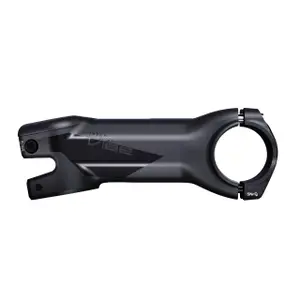
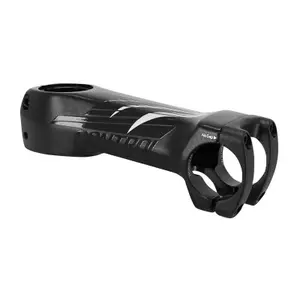
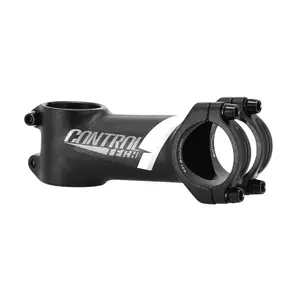
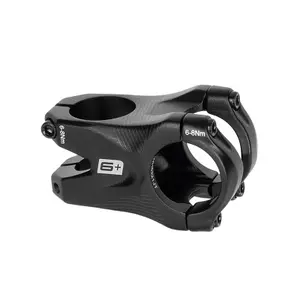
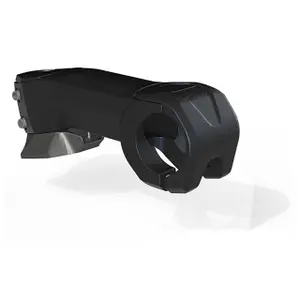
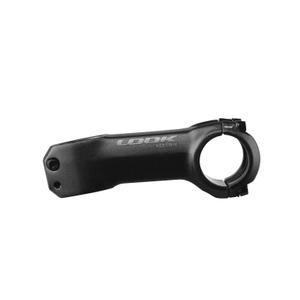
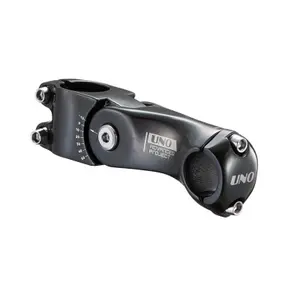
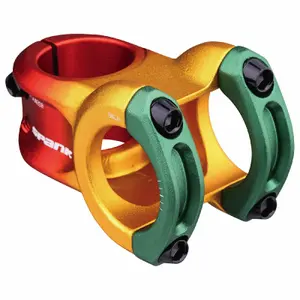
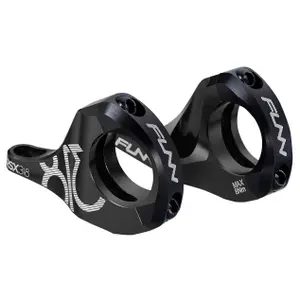
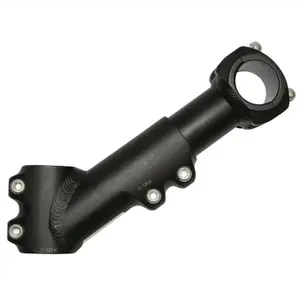
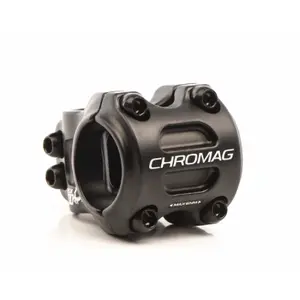
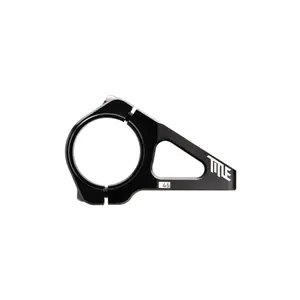
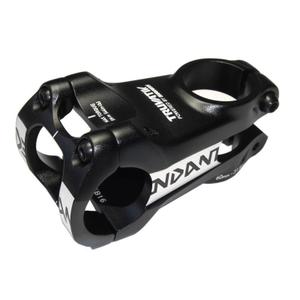
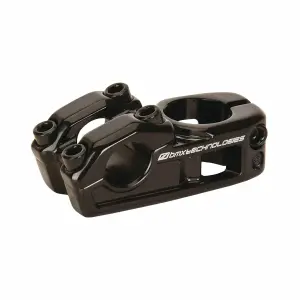
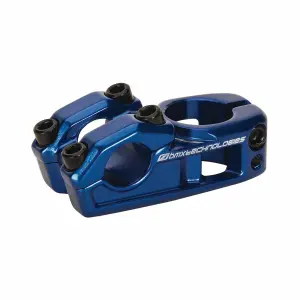
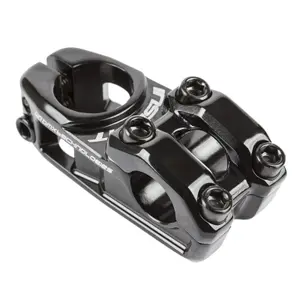
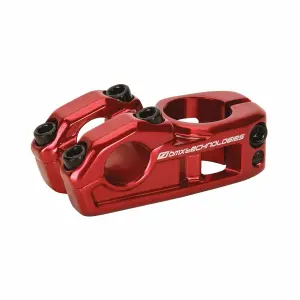
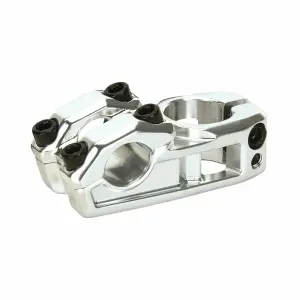
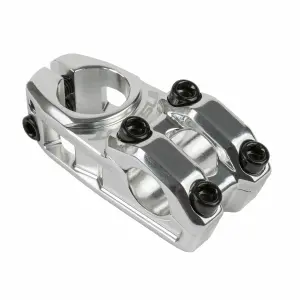
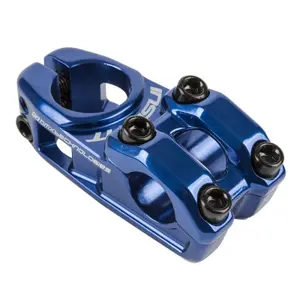
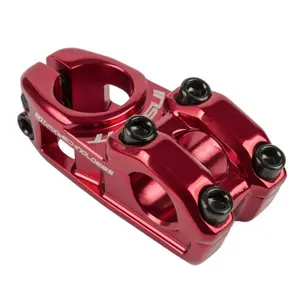
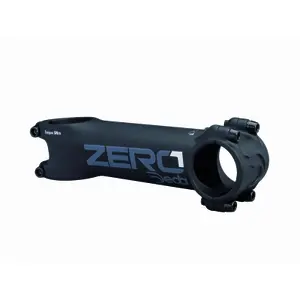
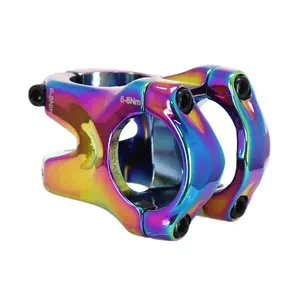

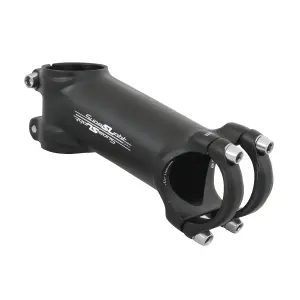
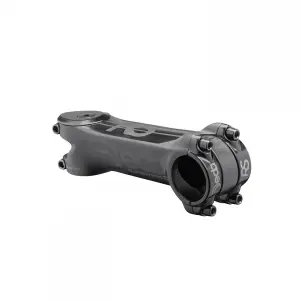
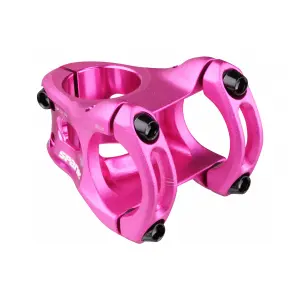
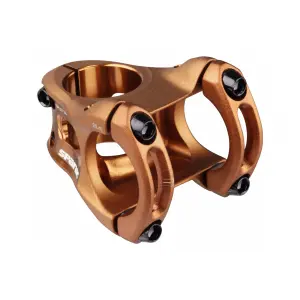
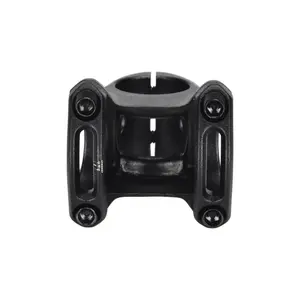
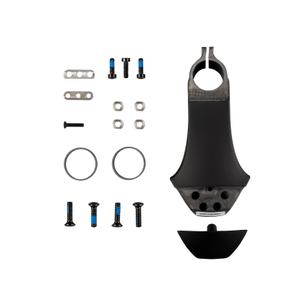
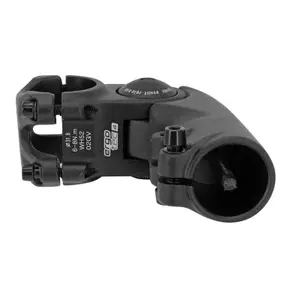
Our selection of bike stems covers every practice: road stems Deda Superzero and Pro Vibe, gravel Pro Discover, suspended Cane Creek eeSilk, short MTB Chromag HiFi, Spank Spoon and Funn, adjustable stems Ergotec for the city, drop bars Newton and Kalloy for threaded steerers, Controltech stem for electric bike display and P2R tandem stem.
The link between the handlebars and the fork.
Three measurements to take before changing your stem
Before changing your stem, three measurements matter. The diameter of the steerer tube: one inch one eighth, or twenty-eight point six millimetres, on nearly all modern bikes with Ahead stems. The handlebar clamp diameter: thirty-one point eight millimetres for road and mountain biking, thirty-five millimetres for recent mountain bike handlebars, and twenty-five point four for older or city handlebars. Finally, the length and angle: a stem of one hundred millimetres at minus six degrees, flipped over, becomes a stem of one hundred millimetres at plus six degrees and raises the handlebars by more than one centimetre. For a threaded steerer, a quill stem is needed, like the Newton or the Kalloy.
Other components
Components also come in various forms:
All components are gathered on the peripheral components page.
Road and gravel: stiffness, adjustment and filtering
On road and gravel, the stem balances precision and comfort. The Deda Superzero and Pro Vibe, made from aluminium, favour stiffness: the steering stays sharp in a standing position and during accelerations. The Pro Discover, designed for gravel, can be mounted in both directions to raise or lower the hands according to the route. The Cane Creek eeSilk pivots on an axis placed just in front of the steerer clamp and compresses an interchangeable elastomer: it offers twenty millimetres of travel and filters out cobblestones and bumpy paths. Three hardness levels of elastomer are provided, to choose based on the cyclist's weight and terrain.
MTB, city and electric bike: dedicated stems
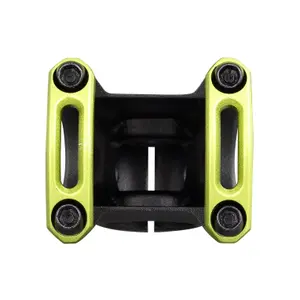
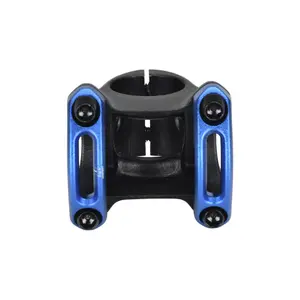
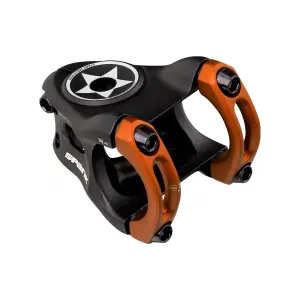
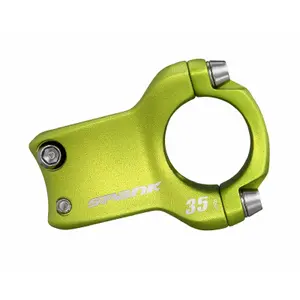
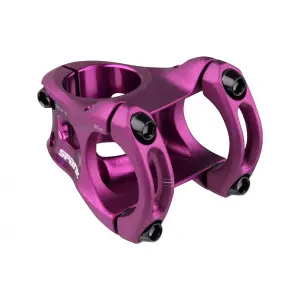
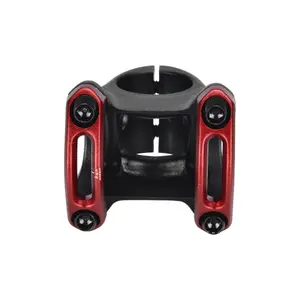
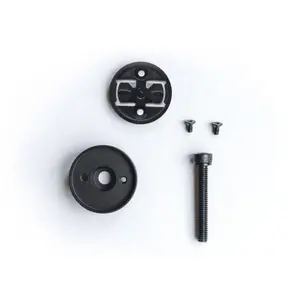
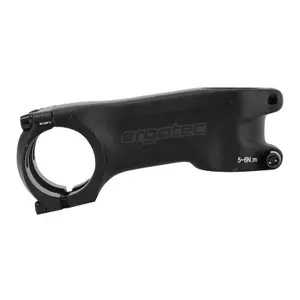
In mountain biking, the trend is for very short stems. The Chromag HiFi, cold-forged from 6061 aluminium, comes in thirty-one, forty, and fifty millimetre options, with no rise; the Spank Spoon, even shorter, is available in thirty-three and forty-three millimetres. In the city, adjustable stems Ergotec modify the angle of the handlebars to enable a more upright position; the brand rates its headset parts from one to six based on their strength, with level six aimed at the most demanding uses. The Controltech stem incorporates a mount for a Kiox display for an electric bike. On a tandem, the P2R stem is fixed to the seat post of twenty-seven point two of the pilot to raise the partner's handlebars.
Good deals
Good deals can also be found in good plans, promotions, clearance sales, sales, and during Black Friday. The news section showcases the latest collections, and items shipped in 24h are prepared and sent within 24 hours. Key events of the year follow a stable order: Black Friday at the end of autumn, the end-of-year holidays, the winter sales, the French Days in spring, followed by summer sales and back-to-school.
Frequently asked questions
How do you measure the length of a stem?
You measure from the axis of the steerer tube to the axis of the handlebars, at the centre of the two clamps. This measurement, engraved on most stems, serves as a reference to compare two models.
What length of stem for a gravel bike?
Gravel stems typically range from seventy to one hundred millimetres, depending on the frame size and the desired position. A shorter stem makes the steering more responsive on technical trails.
Can you fit a thirty-five millimetre handlebar in a thirty-one point eight stem?
No, the diameter of the handlebar must match exactly the clamp of the stem. Adaptation spacers are only available in the opposite direction, to fit a thinner handlebar into a wider stem.
Do you need a torque wrench to tighten a stem?
It's highly recommended, especially with a steerer or handlebar made of carbon. The maximum torque is engraved on the stem, and overtightening can crack the parts.
Can a stem that's too long cause pain?
Yes, a stem that's too long stretches the torso and places strain on the neck, shoulders, and wrists. Shortening the stem by ten or twenty millimetres often helps to relieve the position.






