
BMX pegs in spare parts
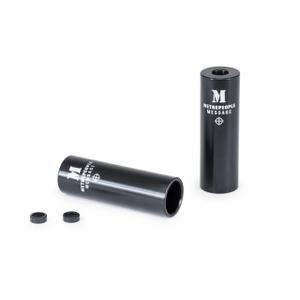
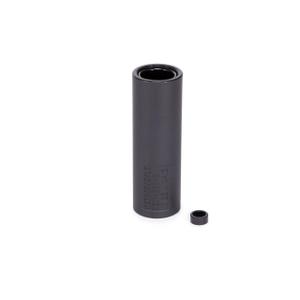
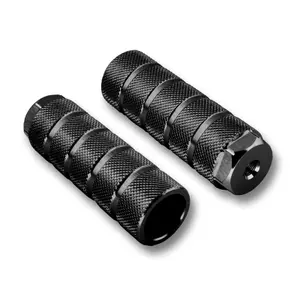
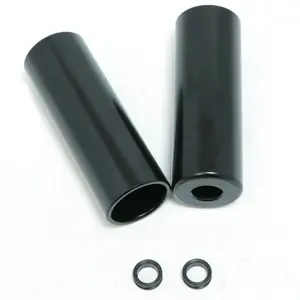
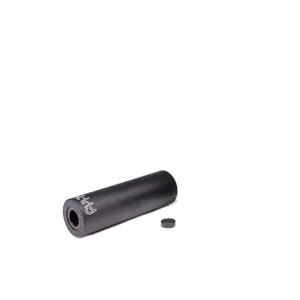
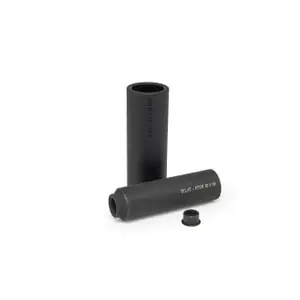
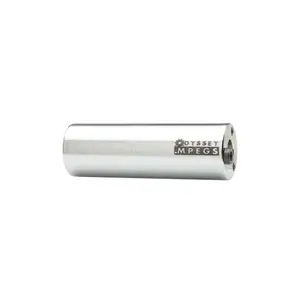
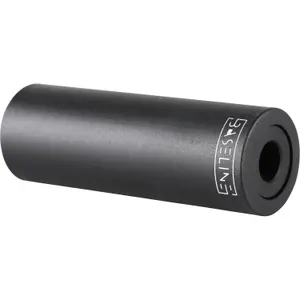
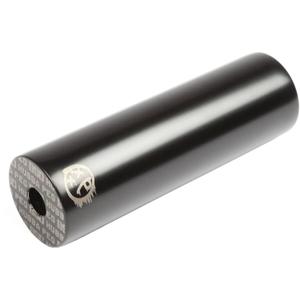
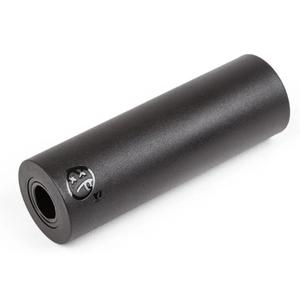
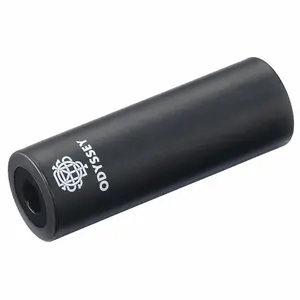
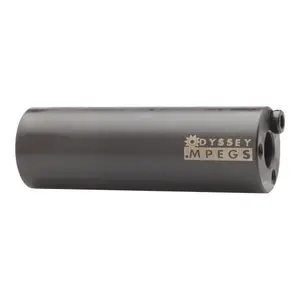
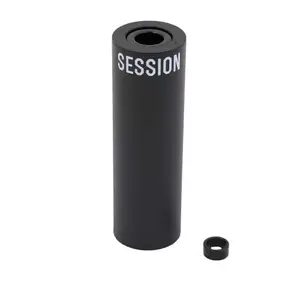
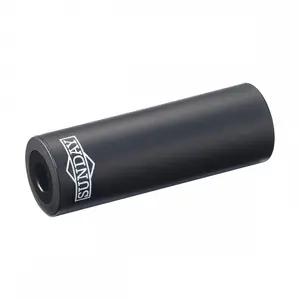
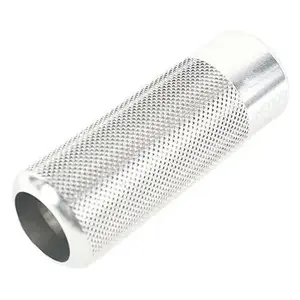
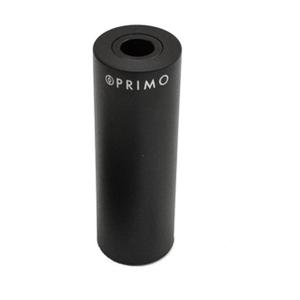
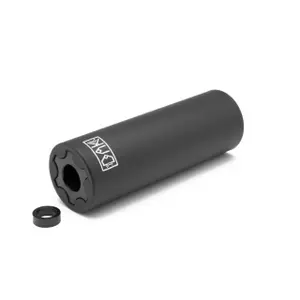
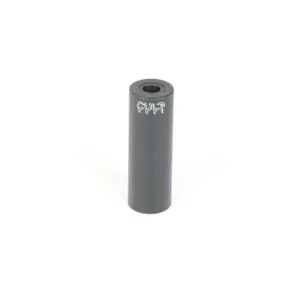
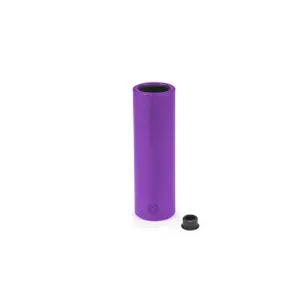
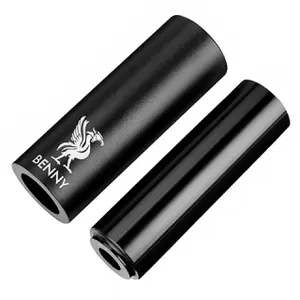
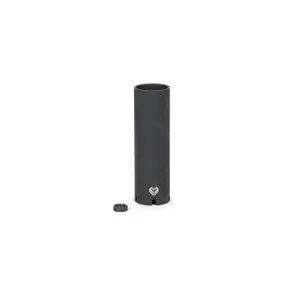
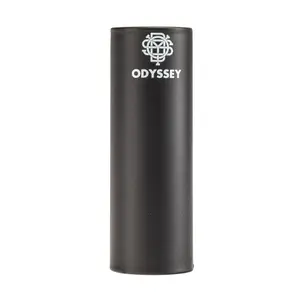
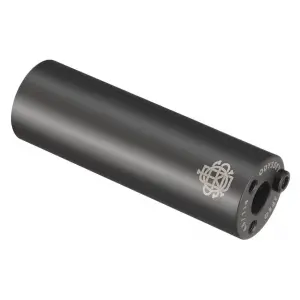
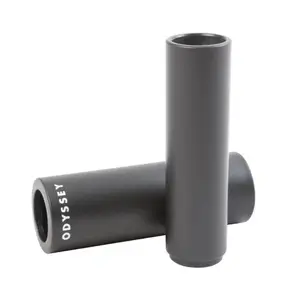
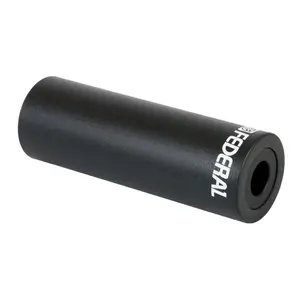
Our Pegs page brings together our tips for selecting and replacing the pegs on a street or park BMX: steel, aluminium or reinforced nylon sleeve construction, length and width, compatibility with ten and fourteen millimetre axles, choice of mounting side, and replacement of worn sleeves from grinds.
Replace your pegs to keep sliding.
Steel, aluminium or nylon sleeve: which material
Chromoly steel pegs are the strongest: they can take big grinds on stair ramps and ledges, but they are heavy and tend to grip more on concrete. Aluminium, being lighter, wears out quickly from friction and is better suited for practices where grinding is minimal. Nylon sleeve pegs reinforced with fibreglass, mounted on a metal core, slide remarkably on coping and concrete, and preserve the edges of skateparks. Once worn down by sessions, only the sleeve needs replacing, which is much cheaper than the whole piece and keeps the BMX light.
The other components
The components also come in various types:
All the components are gathered on the peripheral components page.
Ten or fourteen millimetre axles: compatibility
The peg slides onto the axle and is secured by a nut, or is screwed into place depending on the model. BMX bikes typically use a fourteen millimetre axle at the back, and often a ten millimetre one at the front, although many forks and hubs also manage fourteen. Most pegs are drilled to the larger diameter and come with a reduction sleeve for the ten millimetre axle. Their length varies from about eleven to twelve centimetres, and their outer diameter is around thirty-eight millimetres, which affects foot support and sliding. On the chain side, check that the peg does not touch the chain or the tensioner.
Two or four pegs, and which side
The side is chosen based on tricks: a rider who naturally grinds to the left will set up on the left side, often linked to their front foot on the pedals. Many ride with two pegs on the same side, for a lighter bike and less risk of catching an edge. Those who switch between both sides go for four pegs. On many BMX bikes, the cassette rear hub can be flipped to place the drivetrain on the opposite side to grinds to save it. If grinding on the chain side, a hub guard prevents damage to the sprocket and hub from contact with the edges.
Good deals
Good deals can also be found in good plans, promotions, clearance sales, sales, Black Friday. The new arrivals present the latest collections, and the items shipped in 24h are prepared and sent within 24 hours. The highlight times of the year follow a stable order: Black Friday at the end of autumn, year-end holidays, winter sales, French Days in spring, followed by summer sales and back-to-school.
Frequently asked questions
Do pegs damage skateparks?
Steel pegs can mark coping and concrete edges, leading some skateparks to ban them for this reason. Nylon sleeves slide without damaging surfaces: it's the most accepted solution in parks.
Can you mount pegs on a mountain bike or an electric bike?
It's not recommended: most mountain bikes and electric bikes have hollow or through axles, which are not designed to accommodate a peg, and their frames are neither built for grinding nor for carrying a standing passenger. Pegs remain a BMX part.
Do you need pegs to start BMX street riding?
Not necessarily: you first learn the bunny hop, manual and jumps. Pegs come into play when tackling the first grinds on a low ledge; a pair on your chosen side is enough to get started.
How do you change a worn peg sleeve?
Unscrew the peg from the axle, pull off the worn sleeve by sliding it off the core, then slide the new one on until it stops. The metal core, protected by the sleeve, lasts a long time: only the sleeve actually wears out.
How to properly tighten BMX pegs?
Tighten the nut or peg securely with the appropriate wrench, usually seventeen millimetres for a fourteen millimetre axle, ensuring the wheel is well centred in the drops. Check the tightness after every session: the impacts from grinds eventually loosen everything.






