
Camping and bivouac lighting
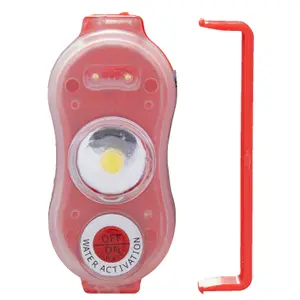
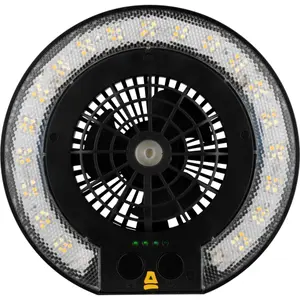

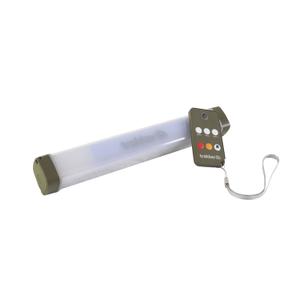
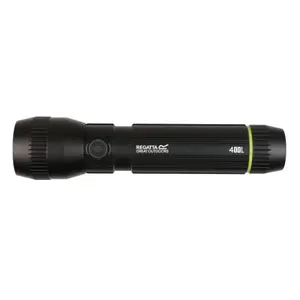


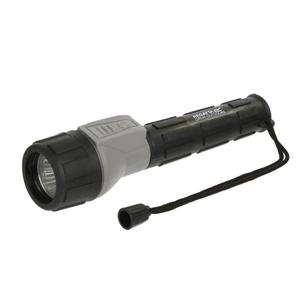
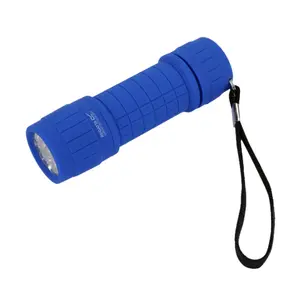
The Camping Lighting page brings together lamps for campers and hikers: headlamps to keep your hands free when setting up camp, lanterns with diffuse light to illuminate the tent or table, and flashlights with a long beam for the trail. Lumens, battery life, waterproofing, USB charging, batteries, solar or gas: each criterion is checked before heading out.
See clearly once night falls.
Headlamp, lantern or torch: each moment has its light
The headlamp lights up where you look and keeps both hands free: it’s what you turn on for pitching tents at dusk, preparing meals or walking to the water point. The lantern spreads a soft light in three hundred and sixty degrees; hung from the tent ceiling loop or placed in the middle of the table, it illuminates the whole group without blinding anyone. The torch focuses a narrow beam that reaches far, to spot a path, a sign or the way to the toilets. Many campers bring a headlamp for each person and a shared lantern for the camp.
The rest of the gear
Camping also includes:
- Tents.
- Sleeping bags.
- Cooking, stoves, pots and water bottles.
- Furniture, tables, chairs and camp beds.
All camping gear can be found on the camping page.
Lumens and battery life: reading a lamp's technical sheet
The light output is measured in lumens: about thirty is enough to read in the tent, a hundred to two hundred for camp life, several hundred to move quickly on a technical path. The battery life advertised usually follows the American standard ANSI FL1: it measures the time taken for the light to drop to ten percent of its initial value, recorded thirty seconds after switching on. A lamp still emits light, albeit weakly, long after the indicated duration at maximum mode. The range, in meters, indicates how far the beam remains useful. A button lock finally prevents the lamp from turning on at the bottom of the bag and draining the battery before nightfall.
Battery, batteries, solar or gas: what power source?
The rechargeable lamp via USB can be recharged from an external battery or at the camping station and avoids buying batteries; some hybrid headlamps also accept backup batteries, which are valuable when far from any plug. The solar lantern charges during the day, placed in the sun, and takes over in the evening without a cable. The gas lantern, powered by a cartridge, shines brightly and generates heat, but should only be used outside, never under a canopy, due to the flame and carbon monoxide. In cold weather, all batteries lose capacity: at night, keep the lamp warm against you to find it charged in the morning.
Good deals
Good bargains can also be found in the good deals, promotions, clearance, sales, Black Friday. The new arrivals showcase the latest collections, and items shipped in 24h are prepared and sent within 24 hours. The highlights of the year follow a stable pattern: Black Friday in late autumn, the end-of-year holidays, the winter sales, the French Days in spring, then the summer sales and back to school.
Frequently asked questions
Why do headlamps have a red light?
The rods in the retina, which are responsible for night vision, are not very sensitive to red: this light helps preserve adaptation to darkness, which the eye takes a long time to regain after exposure to white light. It also prevents blinding your camping neighbours.
What does the IPX rating of a camping lamp mean?
The number next to the letters IPX measures water resistance: four protects against splashes and rain, seven withstands temporary immersion up to one metre, eight allows for prolonged immersion. For camping and hiking, a level four protection is generally sufficient.
How to light a gas lantern for the first time?
First, you need to burn the new mantle: attached to the burner, ignite it without opening the gas until it turns to white, fragile ash. Then gently open the gas supply and light it, without ever touching the mantle again.
Which lantern to choose to light the inside of a tent?
Opt for an LED lantern with a warm and diffuse light, fitted with a hook for hanging from the ceiling and a dimmer to lower the brightness at bedtime. No flames in a closed space: a battery or rechargeable model is the only safe option.
What headlamp for running or hiking at night?
For walking at night on paths, aim for at least two hundred lumens with a mixed beam, wide up close and long far away. For running, a lightweight headlamp with the battery at the back of the strap distributes the weight and doesn't bounce on the forehead.






