
Camping and hiking tents


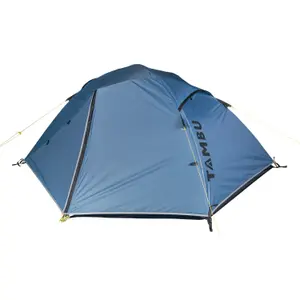
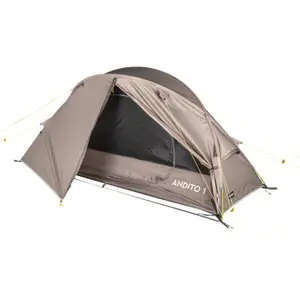
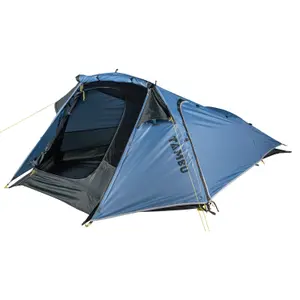
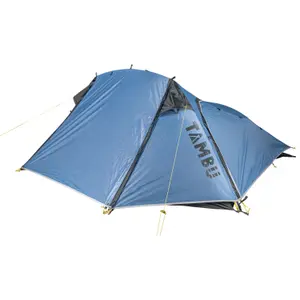
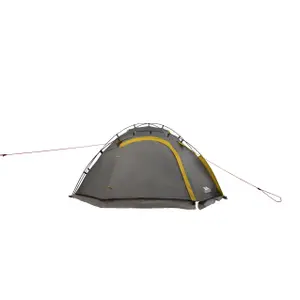

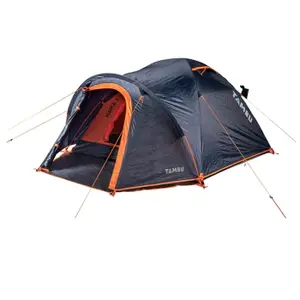
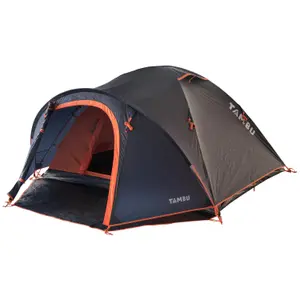
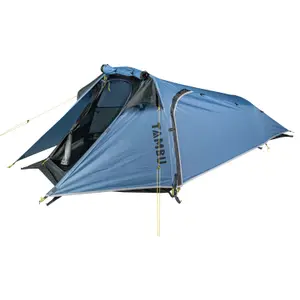


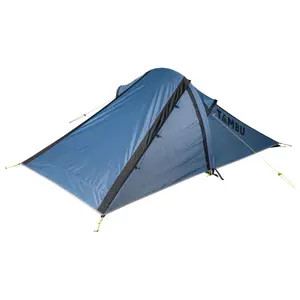


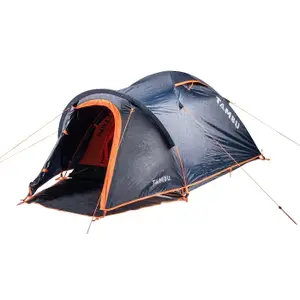


The Tents page brings together camping and hiking tents, like the Regatta Elkon, for sleeping under the canvas with family, friends or while on the move, with their guides to help choose the shape, the number of places and the waterproofness.
A shelter suited to the number of sleepers, the terrain and the weather.
Dome, tunnel or freestanding
The dome tent, with crossed poles, is freestanding: it stands up without pegs, can be moved once set up, and withstands wind well. The tunnel tent, with parallel poles, offers more living space for its weight but must be secured with guy lines and oriented into the wind. Family tents, which are taller, allow you to stand up and have multiple rooms around a living area.
Camping on site
Camping also includes:
- Sleeping bags.
- Cooking, stoves and cookware.
- Furniture, tables and folding chairs.
- Lighting, lanterns and headlamps.
All the equipment is gathered on the camping page.
The number of places
The number of places indicates how many mattresses fit side by side, not counting luggage. To sleep comfortably and store bags, it’s often best to choose a tent with one extra place than the number of sleepers. The porches, the covered areas in front of the doors, provide space for shoes and gear. For hiking, the weight and the volume when packed are important; for car camping, comfort is the priority.
Waterproofing and setup
The waterproofing of the flysheet is measured in water column, in millimeters: the higher the number, the more the fabric can withstand heavy and prolonged rain. The flysheet, separated from the inner tent, limits condensation inside. It’s a good idea to practice setting up your tent at home before you leave, pitch it on flat ground clear of rocks, and let it dry before storing it to avoid mold.
Good deals
Great bargains can also be found in the good deals, promotions, clearances, sales, and Black Friday. The new arrivals showcase the latest collections, and items shipped within 24h are prepared and dispatched within 24 hours. The key events of the year follow a regular pattern: Black Friday at the end of autumn, the year-end holidays, the winter sales, the French Days in spring, followed by the summer sales and back to school.
Frequently asked questions
What size tent for a family of four?
For four people, aim for a tent that sleeps five or six, with two separate rooms and a living area where you can stand. The indicated number of places corresponds to tight sleeping arrangements, without luggage inside.
How to clean a camping tent?
Brush off the dirt once it’s dry, then wash the fabric with warm water and mild soap, avoiding detergents or machines that could damage the coating. The tent should be completely dry, laid out in the shade, before being stored.
What is an inflatable tent?
An inflatable tent replaces poles with air-filled tubes that pump up, allowing for very quick setup. Heavier to transport, it is mainly designed for car camping or campervanning.
What does the water column rating of a tent mean?
The water column, expressed in millimeters, measures the water pressure the fabric can withstand before allowing moisture to seep through. The higher it is, the better the tent can resist long rain; the groundsheet, which faces the most wear, typically has a higher rating.
How to avoid condensation under the tent?
Condensation mainly comes from the breath of sleepers: open the vents, avoid cooking inside, and pitch the flysheet well so that it doesn't touch the inner tent. A double-layer tent significantly limits this phenomenon.






