
Climbing and canyoning harnesses

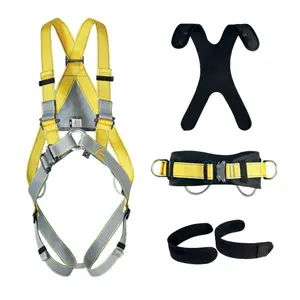
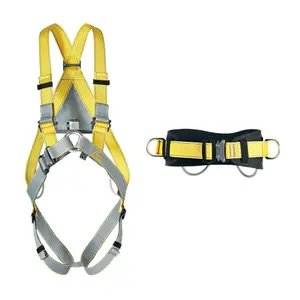
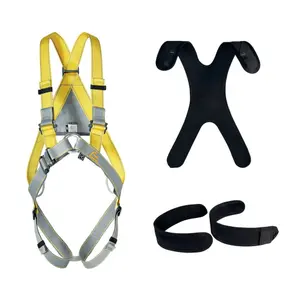
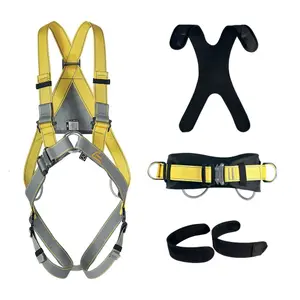
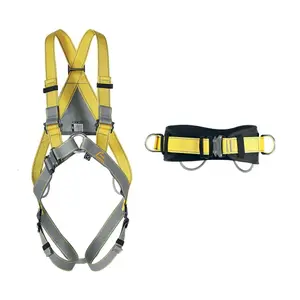
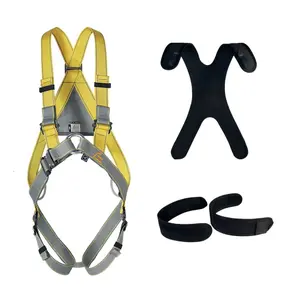
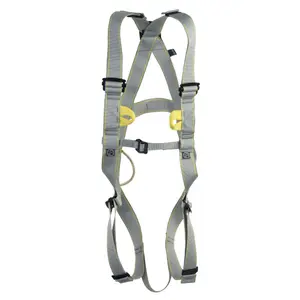
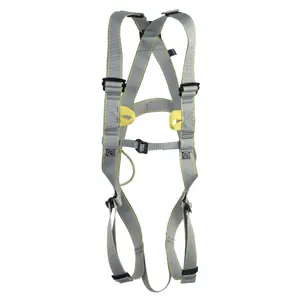
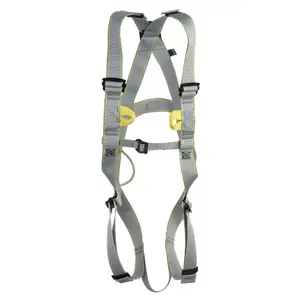
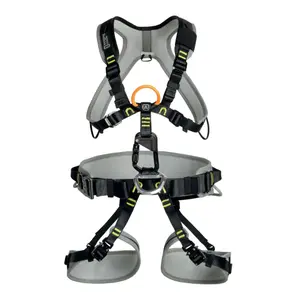
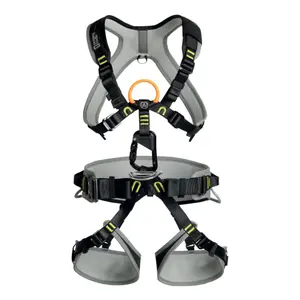


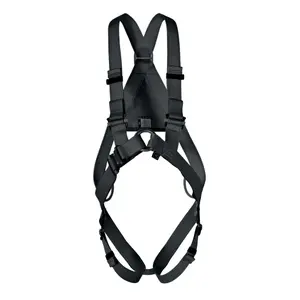
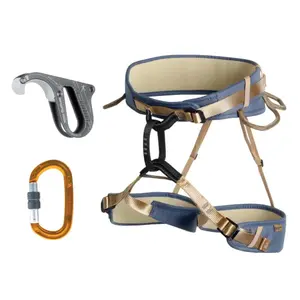
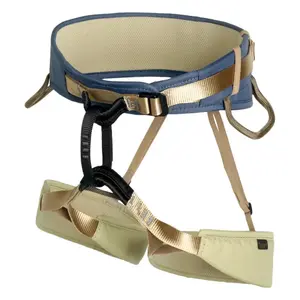
Our selection of Harnesses includes climbing and canyoning harnesses: the Kong sit harness and the Kong Indiana harness, as well as the Tendon Canyon protection skirt, which shields the harness and trousers from abrasion on the rock while canyoning.
The connection between the climber and the rope.
The role of the harness
The harness connects the climber to the rope. In case of a fall, it distributes the shock across the hips and thighs, the strongest areas of the body. It also carries the gear, quickdraws, carabiners, and descenders on its gear loops. It is personal protective equipment, subject to European standards, which should be chosen carefully and checked regularly.
The rest of the equipment
Climbing also involves:
- Ropes.
- Shoes.
- Accessories, carabiners, quickdraws, and chalk.
- Luggage.
- Clothing.
All climbing gear can be found on the climbing page.
Thigh harness or full harness
The thigh harness, like the Kong, consists of a belt and two thigh straps connected by the belay loop, the ring where you tie in and set up your belaying system. It's the harness for indoor climbing, crag climbing, and mountaineering. The full harness, which adds a chest piece, places the tie-in point higher up: it is suitable for young children, whose hips are not yet effective at holding a thigh harness, and for certain activities. The self-locking buckles can be adjusted without re-threading the strap. The harness should be fitted above the hips and should not be able to slide.
Canyoning and inspection
In canyoning, you descend rivers using slides, jumps, and rappels: the skirt Tendon Canyon, a protective cover made from durable material worn over the harness, takes the abrasion against the rock during slides and protects the straps and wetsuit. A harness should be inspected before each outing: check for no cuts or fraying on straps, intact seams, functional buckles, and an unworn belay loop. Store it out of direct sunlight and chemicals, and replace it according to the manufacturer's recommendations or after a significant fall.
Good deals
Great deals can also be found in good deals, promotions, clearances, sales, and Black Friday. The new arrivals showcase the latest collections, and items shipped in 24 hours are prepared and dispatched within 24 hours. The highlights of the year follow a stable order: the Black Friday at the end of autumn, the year-end holidays, the winter sales, the French Days in spring, and then the summer sales and back to school.
Frequently asked questions
How do you choose the size of a harness?
It is chosen based on waist and thigh measurements. The belt should sit above the hips, snug enough not to slip down the waist; adjustable thigh straps accommodate clothing layers.
For a child, should you get a full harness?
For young children, the hips are not well defined and the centre of gravity is high: a full harness, which also supports the torso, helps avoid flipping upside down. As soon as the body shape allows, a thigh harness is sufficient.
What is the difference between a climbing harness and a canyoning harness?
The canyoning harness is more robust, often with a tie-in point lower down and protection against abrasion on the rock. The climbing harness is lighter, focusing on comfort and gear loops.
When should you replace your harness?
Inspect it before each outing: frayed straps, damaged seams, or a worn tie-in point require replacement. Like all personal protective equipment, it has a maximum lifespan set by the manufacturer.
What should you attach to the gear loops?
You can attach quickdraws, carabiners, the descender, and the tether. Distribute the gear evenly on both sides to maintain balance and easily find each piece.






