
Climbing ropes and lanyards


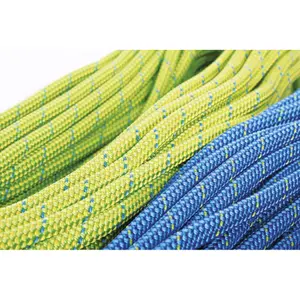
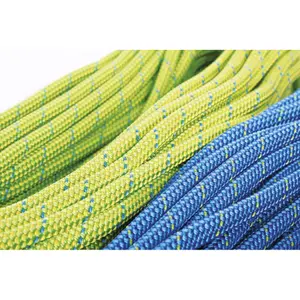
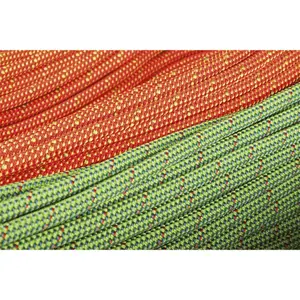
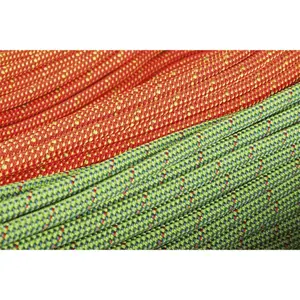
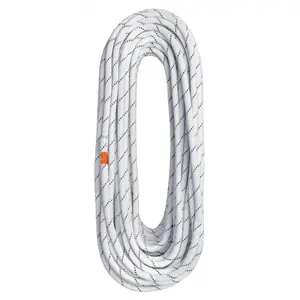
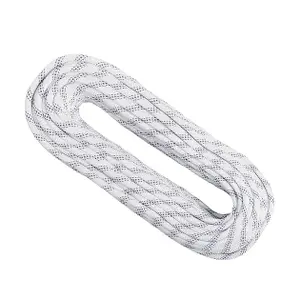
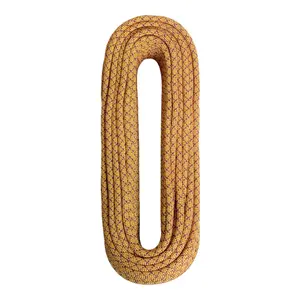
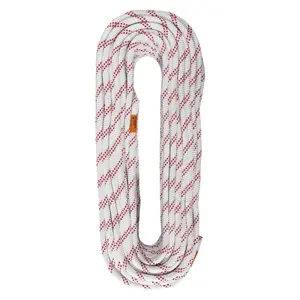
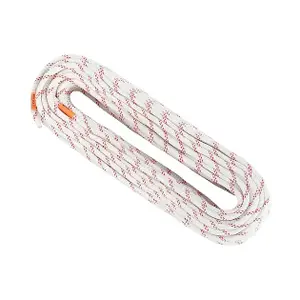
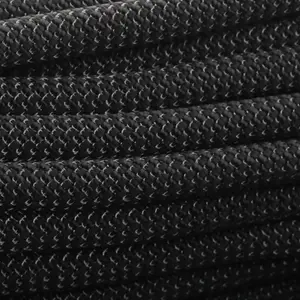
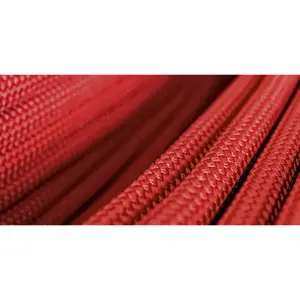
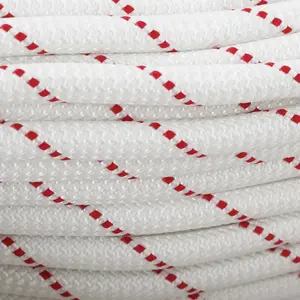
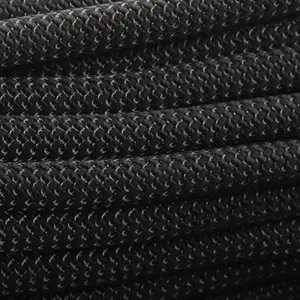
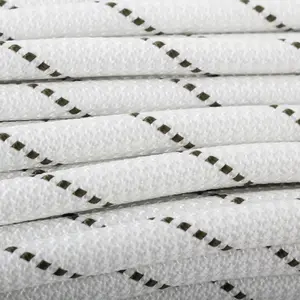
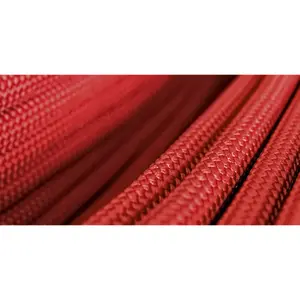
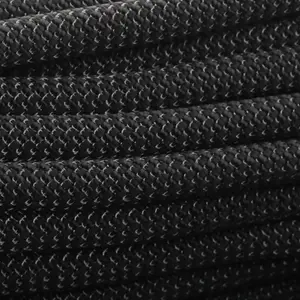
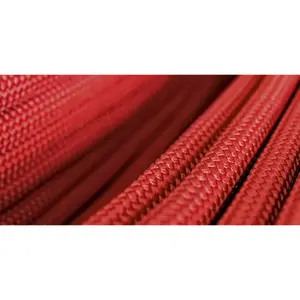
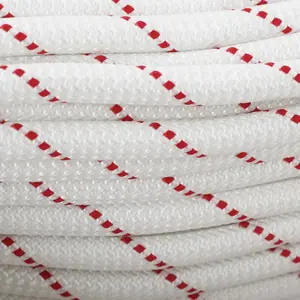
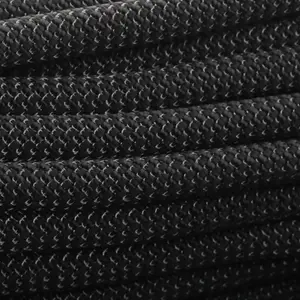
The Ropes page brings together dynamic ropes and lanyards, such as the single rope Tendon Master and the lanyard Tendon Dynaprot, for climbing indoors, on cliffs, and on multi-pitch routes.
The vital link between the climber and their belayer.
The dynamic rope
In climbing, the rope is dynamic: it stretches under load to absorb the energy of a fall and limit the shock experienced by the climber, the anchor, and the belayer. A static rope, which hardly stretches, should never be used for lead climbing. The single rope, used alone, is the most common in gyms and on rock; its diameter usually ranges from 8.9 to 10.5 millimetres.
Climbing on site
Climbing also includes:
- Harnesses.
- Accessories, quickdraws, carabiners, and belaying systems.
- Shoes.
- Luggage, rope bags.
- Textiles.
All the equipment is gathered on the climbing page.
Diameter, length, and treatment
A thin diameter, around 9 millimetres, is lighter and slides better in quickdraws, but wears out faster: it is reserved for experienced climbers. A thicker diameter, around 10 millimetres, like the Tendon Master, withstands friction better and is suitable for top roping and frequent use. The length depends on the routes: about sixty to seventy metres on rock, less indoors. The treatment makes the rope water-resistant, protecting it from moisture and dirt.
Maintenance and lanyard
A rope should be protected from the ground with a rope bag or a tarp, coiled without knots, and stored away from light, heat, and chemicals. It should be visually and physically checked after each outing, and replaced after a significant fall or if the sheath is damaged. The lanyard, like the Tendon Dynaprot, connects the climber to the belay during maneuvers. All climbing ropes meet European standards.
Good deals
Good deals can also be found in good plans, promotions, clearance, sales, and Black Friday. The new arrivals showcase the latest collections, and items shipped within 24h are prepared and sent out in 24 hours. The key events of the year follow a stable order: Black Friday in late autumn, the holiday season, winter sales, spring's French Days, followed by summer sales and back to school.
Frequently Asked Questions
What length of rope for climbing on rock?
A sixty-metre rope is suitable for most crags, but longer routes require seventy or even eighty metres. Indoors, thirty to forty metres are usually sufficient.
Single or double rope: what's the difference?
The single rope is used alone, indoors and outdoors. Double ropes are used in pairs, alternately threaded through quickdraws, in long routes and mountain climbing, to reduce drag and for rappelling down.
How to wash a climbing rope?
Wash it by hand, in lukewarm water, with neutral soap or a special rope cleaner, then rinse it thoroughly. Let it dry loosely, in the shade, away from any heat source.
When should I replace my climbing rope?
Replace it after a very severe fall, if the sheath is worn to the point of revealing the core, or after contact with a chemical substance. Even without visible damage, a heavily used rope should be replaced after a few years.
How to store your climbing rope?
Coil the rope into loops or a butterfly shape, then store it in a rope bag, kept dry and away from light. Never leave it in direct sunlight in a car or near a battery acid.






