
Judo and martial arts belts
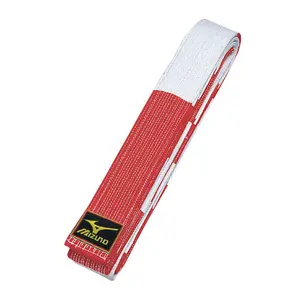
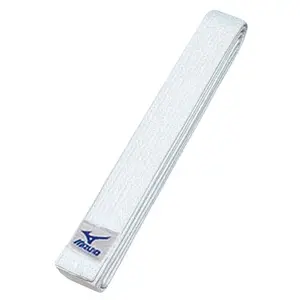

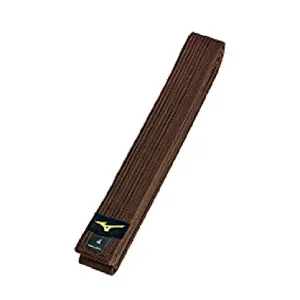
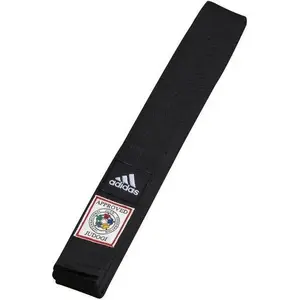

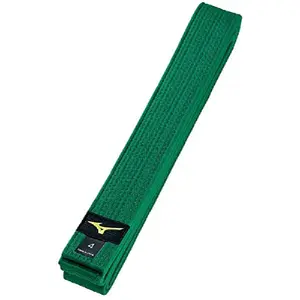
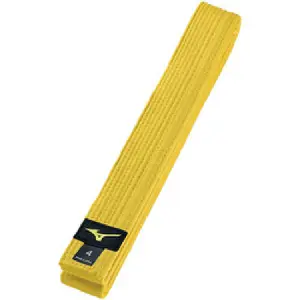
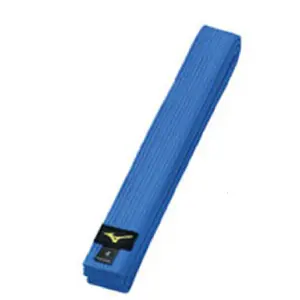
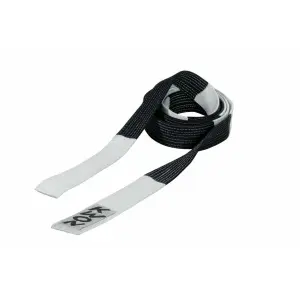
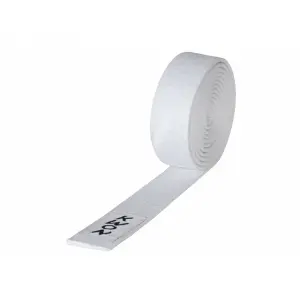
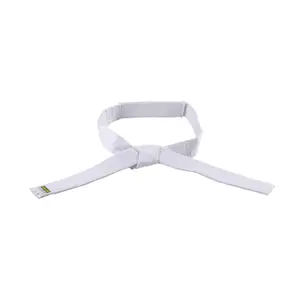
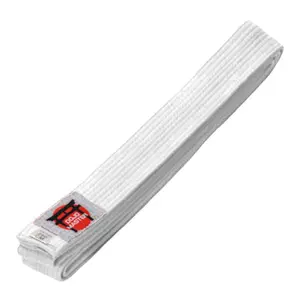
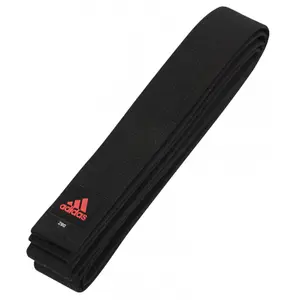
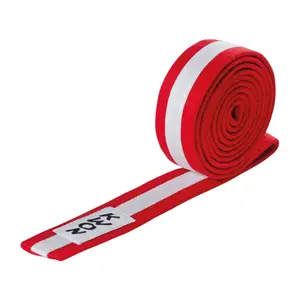
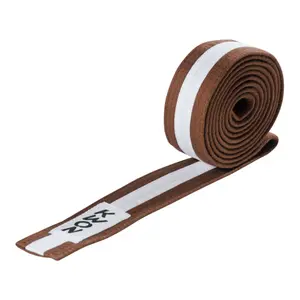
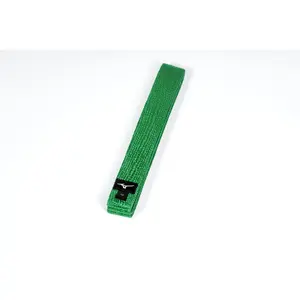
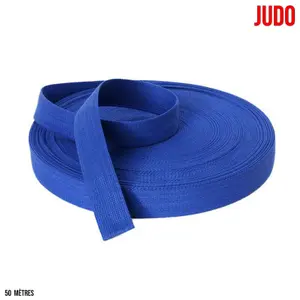
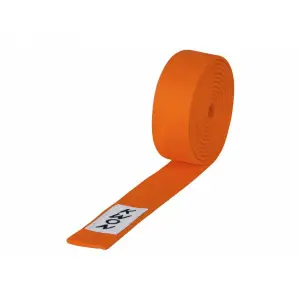
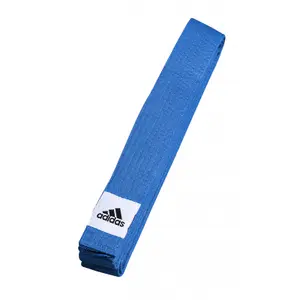
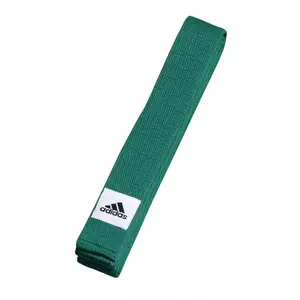
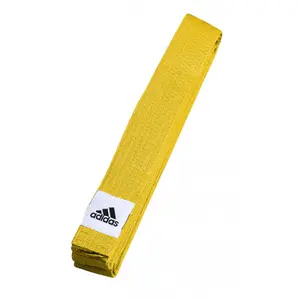
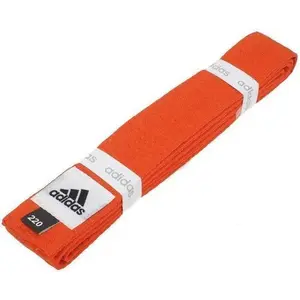
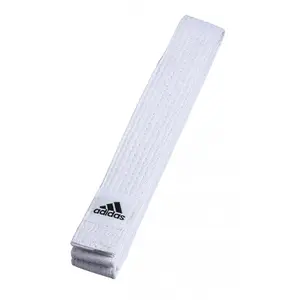
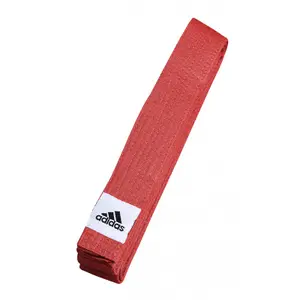
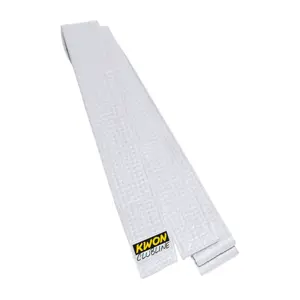
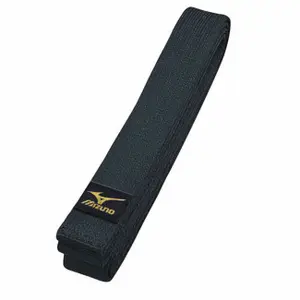
Our selection of Belts brings together judo, ju-jitsu, and Brazilian jiu-jitsu belts: Mizuno, Mizuno Obi and Japan IJF models, adidas Club, Elite, Champion and IJF, padded belt Metal Boxe, Danrho and Kwon Budō. From the white belt of the first class to the black one, each is chosen based on the grade, length, and level of practice, from club to competition.
The belt that tells the story of progress.
From white to black: the order of ranks in France
In judo, the belt secures the jacket and shows the rank. Judo originated in Japan in 1882 with Jigoro Kano, who distinguished students with a white belt followed by a black one; intermediate colours were introduced in France in the 1930s by Mikinosuke Kawaishi. The kyu ranks go in the order of white, yellow, orange, green, blue, and brown, with bi-colour belts for children. The black opens the dan ranks. The highest ranks then wear a red and white belt, followed by a red one. In Brazilian jiu-jitsu, adults progress from white to blue, to purple, to brown, and finally to black.
The rest of the equipment
Judo and jiu-jitsu also include:
All about judo can be found on the judo and jiu-jitsu page.
Soft cotton, quilted or IJF approved: which belt
The training belt, like the adidas Club or the Mizuno, made of cotton, is soft, ties easily, and is suitable for both beginners and children. The quilted belt, like the Metal Boxe, from the Toulouse-based brand founded in 1999, has many parallel stitches: thicker and stiffer, it holds its knot better during randoris. The adidas Elite and Champion models are aimed at regular judokas. For high-level competitions, the IJF approved belts, like the adidas IJF or Mizuno Japan IJF, meet the dimensions and material required by the International Judo Federation.
Length and knot: how to wear your belt properly
The belt is chosen based on the waist size: it must wrap around the body twice, and each end should hang down by twenty to thirty centimetres after the knot, as required by the International Judo Federation's competition rules. If it’s too short, it may come undone at the first kumikata; if it’s too long, it can interfere with grips. It should be worn just above the hips, tightened, with a flat knot in the centre. The Japanese word obi, which refers to the belt, gives its name to the Mizuno Obi. The Danrho, designed for judo and ju-jitsu, and the Kwon Budō, suitable for various martial arts, are appropriate for practitioners of multiple disciplines.
Good deals
Good bargains can also be found in the good deals, promotions, clearance, sales, and Black Friday. The new arrivals showcase the latest collections, and items shipped in 24h are prepared and dispatched within 24 hours. The highlights of the year follow a stable order: Black Friday at the end of autumn, year-end festivities, winter sales, spring French Days, then summer sales and the back-to-school season.
Frequently asked questions
Can you wash a judo belt?
Yes, in cold water and by hand, without bleach, to preserve the colour and avoid shrinking. Traditionally, many judokas wash it rarely, but a clean belt is more hygienic, especially for children.
What belt should you buy for a child starting judo?
A soft cotton white belt, of a length suitable for their waist size, is sufficient for the first season. Clubs then award colour belts as they progress through ranks, often at the end of the season.
How long does it take to obtain a black judo belt?
For a dedicated adult training two or three times a week, it generally takes several years of practice. The first dan is usually taken from adolescence and requires certain techniques, katas, and results in competition or commitment to the club.
What is the difference between a judo belt and a Brazilian jiu-jitsu belt?
The Brazilian jiu-jitsu belt often has a black stripe at one end, where bars are attached to mark progression between ranks. Its adult colour range is also shorter than in judo.
How to tie your judo belt correctly?
Place the middle of the belt on your stomach, make two turns around the waist crossing at the back, then pass one end under the two layers before making a flat knot. The two ends should hang down to the same length.






