
Judo / Jiu-Jitsu: kimonos and belts
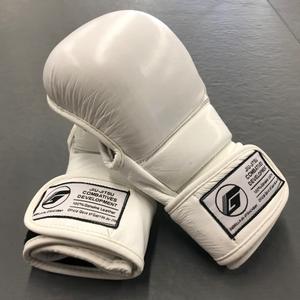
The Judo / Jiu-Jitsu page brings together equipment for judokas and jiujitsukas: kimonos Mizuno, adidas, Danrho and Kwon, children's judogis, jiu-jitsu kimonos, belts, jiu-jitsu gloves, rashguards, and equipment.
From the first lesson to the competition mat.
Judo, the way of flexibility
Judo was founded in Japan in 1882 by Jigoro Kano, who opened the Kodokan in Tokyo. Its name means "the way of flexibility": using the opponent's strength rather than opposing it. An Olympic discipline since the Tokyo Games in 1964, it is one of the most practiced sports in France, especially by children. Brazilian jiu-jitsu, derived from judo and Japanese jiu-jitsu, focuses on ground fighting.
The selection
Judo and jiu-jitsu are organised by type:
Combat sports also include boxing, karate and taekwondo, wrestling, and MMA.
The kimono and belt
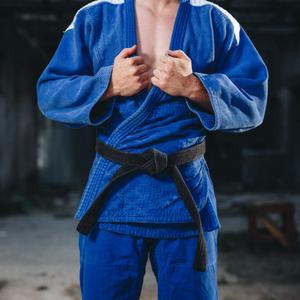
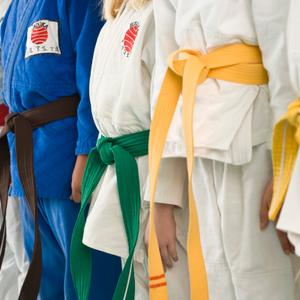
The judo kimono, or judogi, must withstand grabs: a lighter weave is chosen for children and beginners, while thicker is used for competitors. Growth judogis for children have extra room in the sleeves and legs to accommodate growth. Kimonos that are labelled IJF, like the Mizuno Yusho, are approved for international competitions. The belt marks progression, from white to black, passing through a series of colours.
Brazilian jiu-jitsu
The Brazilian jiu-jitsu kimono, such as the adidas Contest or the Danrho Shogun, is more fitted than the judogi, with a shorter jacket and reinforced knees for ground work. The rashguard, a fitted long-sleeve t-shirt, can be worn under the kimono or alone for practice without a kimono, and protects against chafing. Uchi komi sleeves protect the jacket during projection repetitions.
Good deals
Good deals can also be found in good deals, promotions, cleared stock, sales, and Black Friday. The new arrivals showcase the latest collections, and items shipped in 24h are prepared and dispatched within 24 hours. The highlights of the year follow a steady order: Black Friday in late autumn, the end-of-year holidays, the winter sales, the French Days in spring, followed by summer sales and back-to-school.
Frequently asked questions
Who created judo?
Jigoro Kano founded judo in Japan in 1882 by opening the Kodokan in Tokyo. He derived from traditional jiu-jitsu an educational method based on flexibility and using the opponent's strength.
What weight of judogi should I choose?
A lightweight judogi, made of single weave, is suitable for children and beginners. Experienced judokas and competitors prefer a double weave, which is heavier and more resistant to grabs.
Can you practice BJJ with a judogi?
To start, yes. However, the BJJ kimono is more fitted, with narrower sleeves and a reinforced collar, which offers less grip to the opponent; in competition, the outfit must comply with the discipline's regulations.
How do you tie a judo belt?
You place the middle of the belt on your stomach, wrap it around twice, then pass one end under both layers. A tight flat knot leaves two ends of equal length.
What size judo kimono for a child?
Judogis are sized according to height, in centimetres. Cotton often shrinks in the first wash: if the child falls between two sizes, take the larger one, rolling up the sleeves if necessary.






