
Fishing rods: feeder, carp and spinning
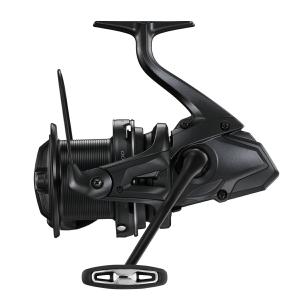

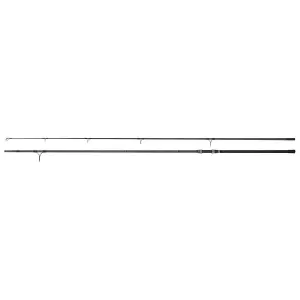
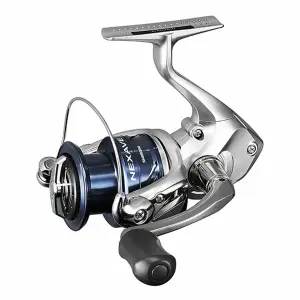
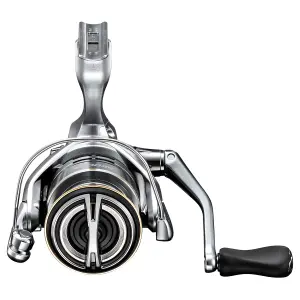
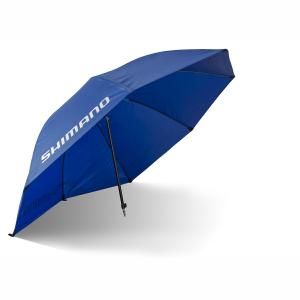


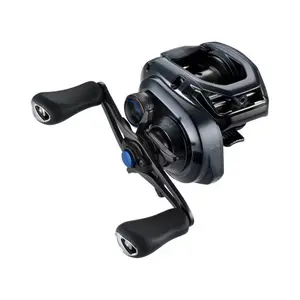
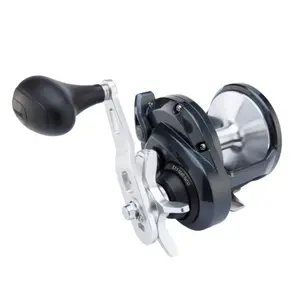
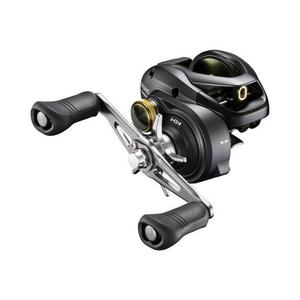
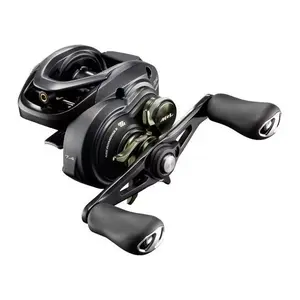
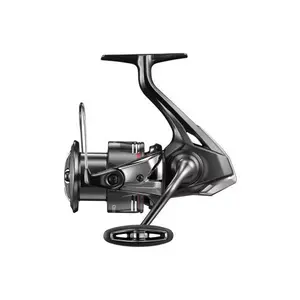
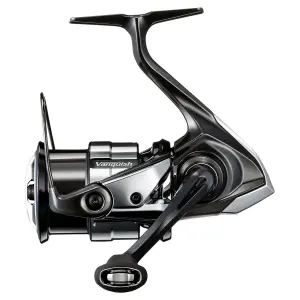
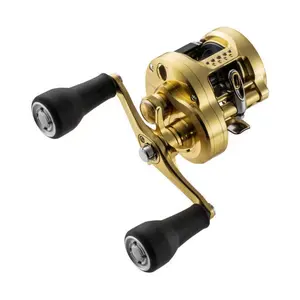
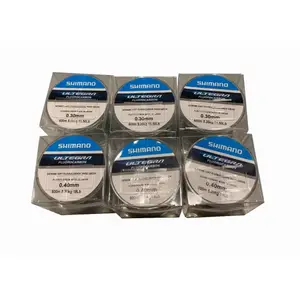
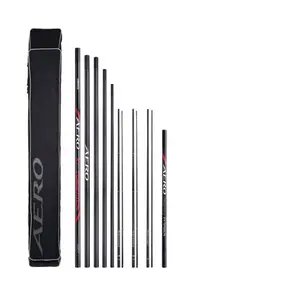

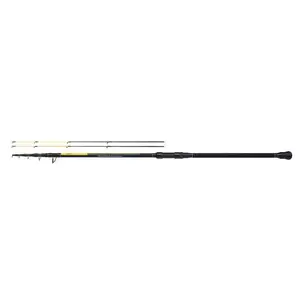
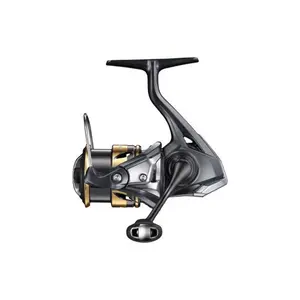
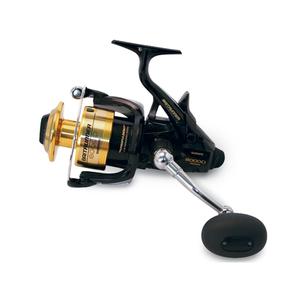
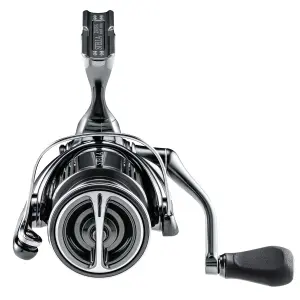
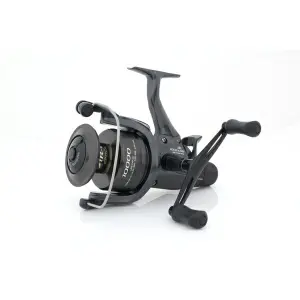
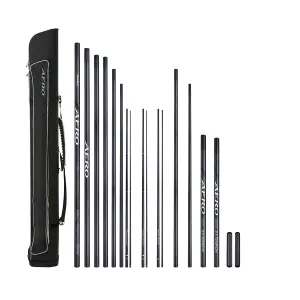
The Cannes page brings together freshwater fishing rods: Korum Limitless feeder rods, Preston Monster, and Matrix Aquos for bottom fishing with a bait feeder, Korum barbel rods for big river fish, and Shimano spinning rods for casting lures. Carbon blanks, lengths, and powers suitable for each technique and position.
A rod suited to the technique, the fish, and the spot.
Feeder, barbel or spinning: a rod for every type of fishing
The feeder rod originated in England for bottom fishing using a baiting tool, a small cage filled with bait that attracts fish close to the hook. Its fine, coloured tip, the quiver tip, bends at the slightest touch: it is changed according to the current and the weight of the setup. The Korum Limitless, Preston Monster Xtreme Distance or Matrix Aquos are examples, precision models with powerful versions for long casting. The barbel rod, like the one from Korum, is shorter and sturdier, able to handle the barbel’s surges in the current. The spinning rod, like those from Shimano, casts and animates lures for perch, pike, or zander.
The selection
The rods are organised by type:
- Rods.
- Reels.
- Supports, banksticks, rod pods and rod rests.
- Detection, bite alarms and indicators.
- No kill.
Length, casting weight and action: understanding a rod
Three details summarise a rod. The length, often given in feet for English models, determines the range and control: eleven feet is about 3.35 meters, and a feeder rod of 3.80 meters casts further than a small river rod. The casting weight, indicated in grams or ounces, fixes the maximum load to propel without risking breakage: a rod rated at 300 grams can handle large feeders. For carp and barbel rods, the test curve, in pounds, expresses the force needed to bend the tip at a right angle. The action, whether tip or parabolic, indicates where the rod bends: the former strikes quickly, while the latter absorbs the surges.
Transporting and maintaining your rods
A rod travels disassembled, with sections held together by soft ties, in a hard case that protects it from car doors and boots. After a day at the seaside, it's rinsed in fresh water, including the handle and reel seat, to prevent salt damaging the metal parts. The joins should be cleaned of sand before assembling the sections, otherwise they wear and become loose. The rod should be stored dry, out of direct sunlight which can dull the varnish on the blank.
Fishing also includes rigs, baits, equipment, transport, and clothing.
Carbon or fiberglass: the material of the blank
The blank is the tube onto which the guides and handle are mounted. In carbon, it is light, stiff and responsive: it transmits the bite to the hand and springs back quickly after casting, which gives distance. The higher the carbon modulus, the thinner and more responsive the rod, but the more it can be prone to damage. Fiberglass, being heavier and more flexible, forgives mistakes and withstands impacts: it is found in beginner rods and some feeder tips, which detect the faintest bites. The guides, lined with ceramic, guide the line without wearing it out; check regularly that none are cracked.
Good deals
Good deals can also be found in the good deals, promotions, clearance, sales, and Black Friday. The new arrivals showcase the latest collections, and the items shipped within 24 hours are prepared and dispatched in 24 hours. Key moments of the year follow a predictable pattern: the Black Friday at the end of autumn, the holiday season, the winter sales, the French Days in spring, followed by the summer sales and back-to-school period.
Frequently asked questions
What rod for catching trout?
The trout requires a light and sensitive rod: from 1.80 to 2.40 meters for lure fishing in small rivers, longer for fishing with a float following the current. The finesse of the tip allows for casting small lures and feeling subtle bites.
What rod for fishing at sea from the beach?
Surfcasting is done with a rod of four to four and a half meters, powerful enough to cast a weight of one hundred to two hundred grams beyond the waves. From a pier or rocks, a shorter spinning rod is more manageable.
What is an English rod?
It is a long rod, from 3.90 to 4.50 meters, used with a reel for float fishing far from the shore. The float, fixed from below on the line, stays stable despite the wind, making it the tool of choice for anglers targeting white fish in ponds.
What rod to buy for a child?
A short and light rod, from 1.50 to 2.10 meters, made of fiberglass or composite, withstands impacts and can be handled with one hand. For starting out in coarse fishing, a telescopic rod without a reel avoids tangles and allows for quick catches of first fish.
How to choose the length of a feeder rod?
In small rivers or canals, a feeder of 3 to 3.30 meters is sufficient and easy to handle. To reach a distant spot in a large lake or river, you move up to 3.60 or even 3.90 meters, which cast further and keep the line above the weeds.






