
No kill, release the fish






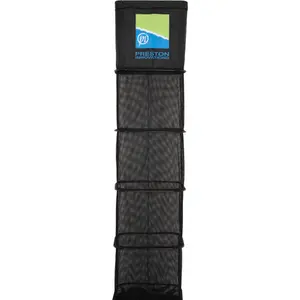

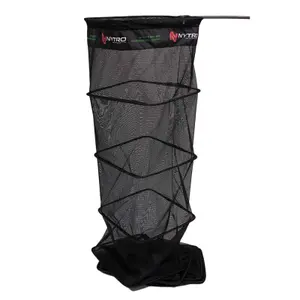
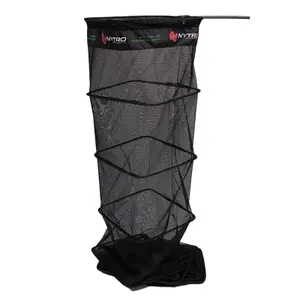
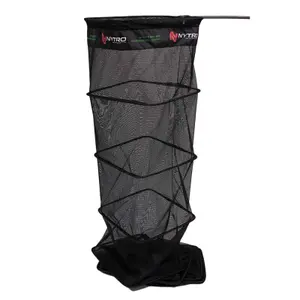
Our No kill selection brings together the gear for handling and releasing fish in good health: Fox Eos-X landing net mesh, Preston latex landing net head, Trakker Sanctuary carp keepnet, and Spro TBX EVA sack, along with the best practices for catch and release.
Catch, photograph, release.
The principle of catch and release
Catch and release means returning the fish to the water alive after catching it. It's very common among carp, predator, and fly anglers, as it helps preserve fish populations and allows the same fish to grow and be caught again. Some fishing areas require it by regulation. To ensure the fish survives, it must be handled carefully, for the shortest time possible, using equipment that protects its mucus and fins.
Other items
Rods and accessories are also available:
All the equipment can be found on the rods page.
The soft landing net
A landing net allows you to take the fish out of the water without lifting it by the line. Its mesh should be soft and knot-free, like the Fox Eos-X mesh, to avoid damaging the fish's protective mucus or snagging its fins. The landing net frame made of latex Preston, with rubberised mesh, does not catch hooks and treats fish from pole fishing gently. Rinse the landing net after each catch.
Keeping and releasing
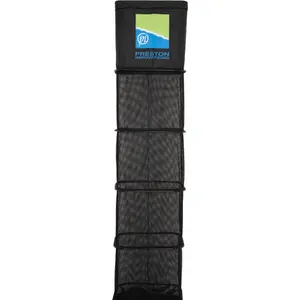
The keeping bag Trakker Sanctuary, made of fine mesh, temporarily keeps a carp in the water while waiting for a photo, in a deep and shaded spot, and only where regulations allow. The fish should always be placed on a damp retaining mat, never on grass or gravel. Wet your hands before touching it, unhook it quickly using a barbless hook if possible, and return it to the water while holding it until it swims away on its own. The Spro EVA bag carries wet equipment.
Good deals
Great finds can also be found in the good deals, promotions, clearance, sales, and Black Friday. The new arrivals showcase the latest collections, and items shipped within 24h are prepared and sent in 24 hours. The highlights of the year follow a consistent order: Black Friday in late autumn, the holiday season, winter sales, French Days in spring, then summer sales and back-to-school season.
Frequently asked questions
What is catch and release fishing?
Catch and release means returning the fish to the water alive after catching it. It's quite common among carp, predator, and fly anglers, as it helps preserve fish populations.
Why use a barbless hook for catch and release?
A barbless hook comes out more quickly and causes less damage to the fish's mouth. Some catch and release areas require it by their regulations; you can also crush the barb with pliers.
How to handle a fish before releasing it?
Wet your hands, place it on a damp retaining mat, and limit the time it spends out of the water. Never hold it by the gills and support its belly for photos.
Why use a rubber mesh landing net?
Rubber or latex meshes, like on the Preston head, do not damage the fish's protective mucus and won't snag its fins or hooks. The fish can swim away in better health.
How to release a fish after fighting it?
Hold it in the water facing the current, supporting it, until it regains strength and swims away on its own. For a large carp, a keeping bag like the Trakker Sanctuary allows it to recover.






