
Training Golf Balls


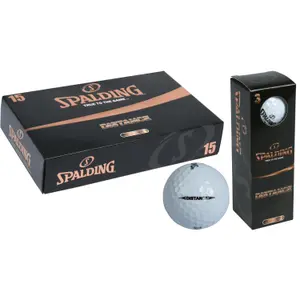
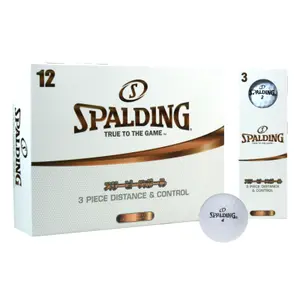
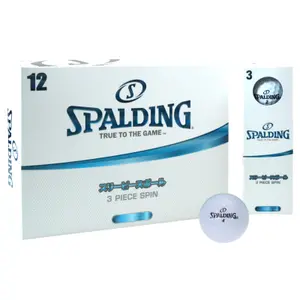
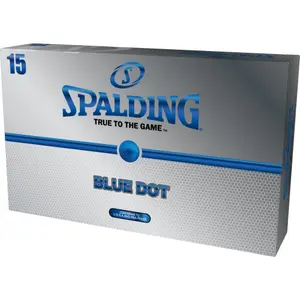
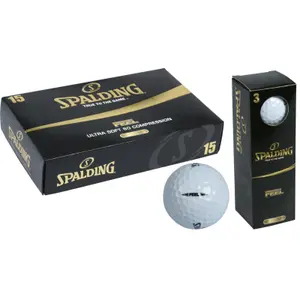
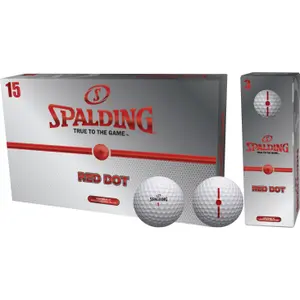
Our Training page brings together our advice on golf practice balls: durable practice balls, foam balls and limited flight balls for the garden, refurbished lake balls, balls for training nets, and uses to work on your swing and short game.
Repeat your drills, without counting the balls.
Practice at home
Improving at golf comes from repetition. Training balls allow you to work on your swing and short game without breaking the bank on new balls or worrying about losing them. Foam balls or limited flight balls, which travel only a few dozen metres, can be used in the garden, in a net, or even indoors, with no risk to windows.
The rest of the range
Golf balls also come in:
- New.
All balls can be found on the balls page.
Two economical alternatives
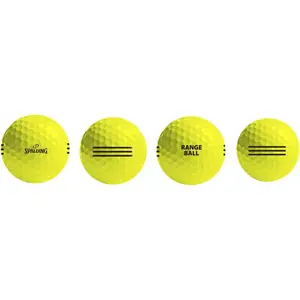
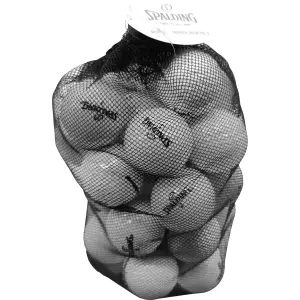
Practice balls, used in golf course dispensers, are designed to last: very durable casing, often marked with a band, and slightly reduced flight. Lakes balls, recovered from water hazards, cleaned, and then sorted by quality, provide an economical alternative for the course and practice. We choose the best categories, looking close to new.
Good habits
On the putting green, you work on your distance control with balls identical to those used on the course. For approaches, set varied targets instead of just hitting shots mechanically. In the garden, a net and a hitting mat allow you to repeat your swing with foam balls. Train regularly, with short and focused sessions, rather than infrequently and for long stretches.
Good deals
Good buys can also be found in good deals, promotions, clearance, sales, and Black Friday. The new arrivals showcase the latest collections, and items shipped within 24h are prepared and dispatched within 24 hours. The key events of the year follow a steady order: Black Friday in late autumn, the holiday season, winter sales, French Days in spring, followed by summer sales and back-to-school time.
Frequently asked questions
Can you practice golf in your garden?
Yes, with foam or limited flight balls that only travel a few dozen metres and are unlikely to break a window. A training net also allows you to hit real balls safely.
How do reconditioned lake balls perform?
They are balls retrieved from water hazards, cleaned and sorted according to their condition. They are suitable for practice and for beginners who often lose balls, although a long stay in water can slightly reduce their distance.
What is the difference between a practice ball and a game ball?
The practice ball, very tough, stands up to thousands of hits: it flies shorter and offers less feel. The game ball, more performance-oriented, is designed for the course and feel around the green.
How can you work on your putting at home?
A putting mat and a few balls are enough to practice short putts, the ones that cost the most strokes. First, work on your alignment, then on distance control over different lengths, for a few minutes each day.
How do you organize a golf training session?
Start with a warm-up and some short shots, then focus on a specific goal by varying clubs and targets. Finish with the short game, which accounts for a large portion of the strokes played on a course.






