
Handballer's clothing
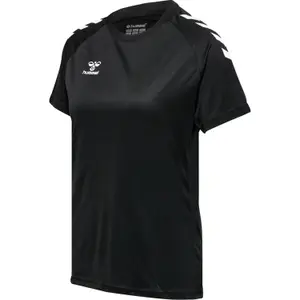


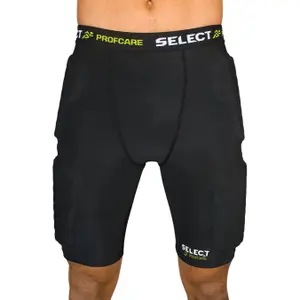
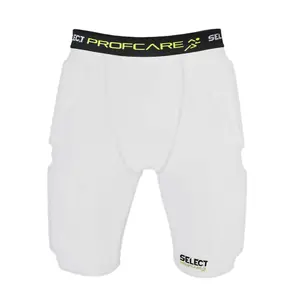


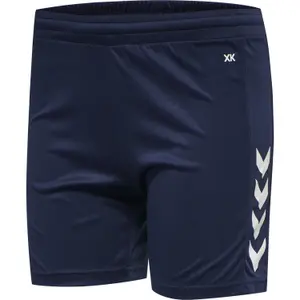





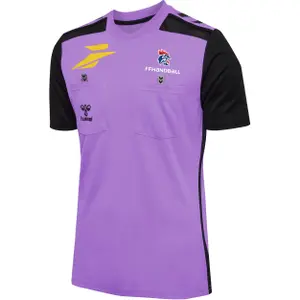

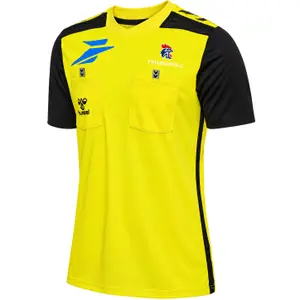


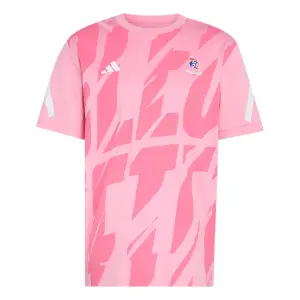
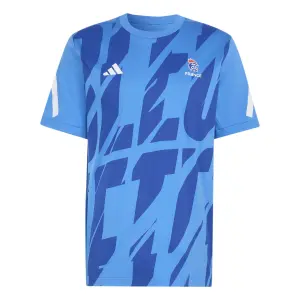


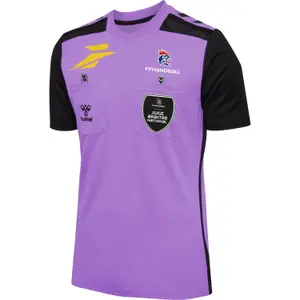


The handball apparel includes jerseys, t-shirts, shorts, leggings, socks, and goalkeeper kits, from Hummel, Kempa, Select, adidas, or Puma. There are men's and women's cuts designed for contacts, support, and jumps, along with teamwear ranges that allow an entire club to be dressed in the same colours, from the handball school to the seniors.
A handball outfit must follow the contacts, jumps, and dives without hindering.
Match shirt and shorts: handball kit
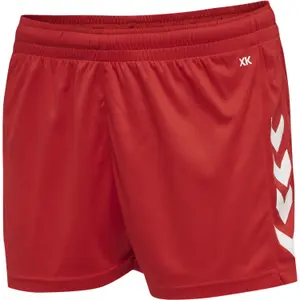
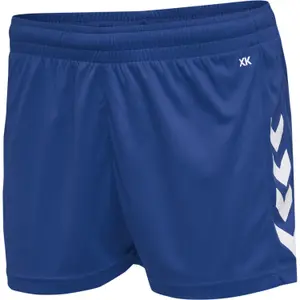
The handball shirt fits close to the body, made of lightweight and stretchy mesh: a loose fit gives defenders a grip and hinders the arm movement during a shot. The shorts, short and flexible, allow the thighs to move freely for positioning, changes of direction, and jumps over the defence. The shorts Hummel Core, available in men's and women's sizes, illustrate this approach.
Under the shorts, many male and female players wear a thigh guard that supports the muscles, prevents the shorts from riding up, and protects the skin during falls on the court. Chosen in the same colour as the shorts, it keeps the team looking uniform, from the kick-off to the last seven-metre throw.
Numbers, colours, and kit regulations
The regulations from the International Handball Federation specify the kit requirements. The numbers, from 1 to 99, must be at least twenty centimetres high on the back and ten centimetres on the front, in a colour that clearly contrasts with the shirt. Players from field teams wear identical kits, while goalkeepers wear a colour that distinguishes them from both teams' outfield players and the opposing goalkeeper.
For a club, choosing a range of teamwear that stays in the catalogue for several years, like the Core line from Hummel, allows for roster additions over time without mismatching the shirts and keeps the same numbers from one category to another.
Goalkeeper kit: padded trousers and long sleeves
The handball goalkeeper faces direct shots and dives onto a hard surface: their kit offers more protection. The goalkeeper trousers Kempa, long and padded at the hips and knees, cushion falls and splits, while the long-sleeved shirt limits burns on the forearms.
The brand Kempa is named after Bernhard Kempa, a German world champion in eleven-a-side handball in 1952 and 1955, who became famous for a classic move: the lobbed pass to a teammate who receives it in suspension above the area and shoots before landing, the famous kempa. Under the kit, a protective cup completes the equipment against fast-moving balls.
Resin, washing, and socks
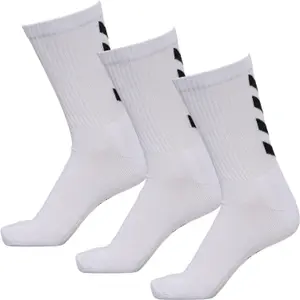
At a certain level, players coat their fingers with resin for better grip on the ball, which inevitably ends up on shirts and shorts. It doesn’t wash out easily: a specific stain remover, applied dry before machine washing, dissolves it without damaging the mesh. The fabric should then be washed inside out, at thirty degrees, without fabric softener or tumble drying, to protect the heat-pressed numbers. The socks Hummel Fundamental, sold in packs of three, should be changed after each session to limit blisters.
Shoes, balls, equipment, and supporter items can be found on the handball page.
Women's sizes and youth kits
Women's handball has its own cuts. The women's shorts, such as the Hummel Core or the Player shorts, are shorter and more fitted at the hips, and women's t-shirts, like the Hummel Core Poly, fit the body without being baggy. The women's jersey, closer fitting, avoids any excess fabric in duels and contact at the pivot.
For youth, sizes are chosen based on height rather than age, with a slight margin so that the shirt can last for two years. The teamwear ranges featuring the same design from child to adult allow the handball school to wear the same colours as the first team, an important detail for the club's identity and pride.
Frequently asked questions
How to choose the size of a handball shirt?
Take your usual size, without going larger: the shirt should stay close to the body to avoid giving defenders a grip. If you're between sizes, go for the smaller one if the mesh is stretchy, or the larger one if you wear an undershirt.
Why is Hummel so associated with handball?
Founded in Hamburg in 1923, the brand became Danish, and handball is one of the most followed sports in Denmark. It has built significant legitimacy there, and its teamwear ranges equip many clubs, from top levels to amateur teams.
Can you play handball in a football shirt?
For training, a technical polyester football shirt will do the job. In competition, a handball shirt is preferable: its closer fit limits opposition grips, and its numbers must meet specific size requirements.
What base layer should you wear under a handball kit?
A thin, technical, fitted undershirt in the same colour as the shirt keeps the muscles warm at the start of the match without restricting the arms. Avoid cotton, which retains sweat and weighs down the kit over the course of the game.
How many sets of shirts should a team have?
Two sets in different colours, one light and the other dark, ensure that you always distinguish yourself from the opponent. Also, plan for at least two goalkeeper shirts in contrasting colours that must stand out from both teams.






