
Padel grips and overgrips


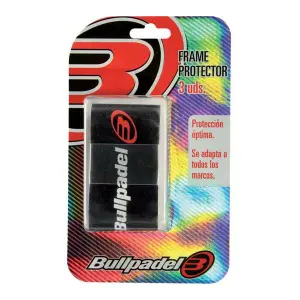
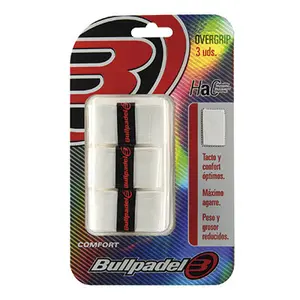


Our selection of Grips and Overgrips has everything you need to maintain a good hold on your padel racket, including the Dunlop Tour Pro grip, along with our tips for choosing between grip and overgrip, the thickness and texture, and how to apply them correctly.
The grip, a detail that makes all the difference.
Grip or overgrip
The grip is the basic covering of the racket handle, thicker and more cushioning: it's fitted originally and rarely changed, when it's worn out or to modify the thickness of the handle, like with the Dunlop Tour Pro grip. The overgrip is a thin strip that is wrapped over the grip: it absorbs sweat, enhances grip, and is replaced often, as soon as it becomes smooth or tears. Most players add one or two overgrips to their racket.
Other accessories
Padel accessories also come in:
All the accessories are gathered on the accessories page.
Thickness and texture
The thickness of the handle affects the game: a thin handle allows for freer wrist movements and more spin; a thick handle stabilizes the racket and eases arm tension. Each overgrip added thickens the handle: you can adjust their number to the size of your hand. The texture matters too: a tacky overgrip offers maximum grip in dry weather; a dry, more absorbent overgrip is suitable for hands that sweat a lot and on hot days. Perforated overgrips improve moisture wicking.
How to apply it correctly
Remove the old overgrip, then wrap the new one starting from the bottom of the handle, gently stretching the strip and overlapping each turn by about a third of its width. Finish at the top of the handle with the provided adhesive tape. A well-applied overgrip has no bumps or folds. Regular players change it every few sessions; competitors do so before each match. A wristband limits sweat dripping onto the hand and prolongs the life of the overgrip.
Good deals
Good deals can also be found in the good deals, promotions, clearance, sales, Black Friday. The new arrivals showcase the latest collections, and items shipped in 24h are prepared and sent within 24 hours. The highlights of the year follow a stable order: the Black Friday in late autumn, the end-of-year holidays, the winter sales, the French Days in spring, then the summer sales and back-to-school.
Frequently asked questions
What's the difference between a grip and an overgrip?
The grip is the original covering of the handle, thick and cushioning, which is rarely changed. The overgrip is a thin strip wrapped over it, which absorbs sweat and is replaced often.
How do you apply a padel overgrip?
Remove the protective film, start from the bottom of the handle and wrap the strip upwards, overlapping it by about a third at each turn. Finish with the adhesive provided, without stretching the strip too much.
How to increase the thickness of the handle?
Adding one or two overgrips thickens the handle; for a more significant change, replace the original grip with a thicker grip, like the Dunlop Tour Pro. A handle that is too thin forces you to grip harder and tires the forearm.
Smooth or perforated overgrip: which one to choose?
The smooth, tacky overgrip offers good grip in dry conditions. The perforated or textured one wicks sweat away better, which is appreciated by players who sweat a lot from their hands.
How often should you change your overgrip?
A regular player changes their overgrip every four to five sessions, or as soon as it becomes smooth and slippery. Competitors often replace it before each match.






